



Why EPRA Could Raise Fuel Prices in July Amid Iran-Israel War
Kenyans may soon dig deeper into their pockets for fuel as global oil markets reel from the escalating Iran-Israel conflict. The Energy and Petroleum Regulatory Authority (EPRA) has already sounded the alarm—petrol prices are on the rise, and the trend may not stop soon.
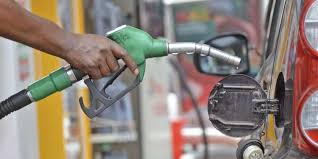
In its latest review, EPRA increased the price of super petrol by Ksh2.69 per litre, while diesel and kerosene dropped by Ksh1.95 and Ksh2.06, respectively. This means petrol now sells at Ksh177.32, diesel at Ksh162.91, and kerosene at Ksh146.93 per litre in Nairobi.
“The price adjustments reflect shifts in the global petroleum market,” EPRA noted on Saturday.
War-Driven Volatility Drives Prices Up
Analysts have linked the changes to the deepening crisis between Israel and Iran, a country critical to the global oil supply chain. The region has witnessed missile attacks, drone strikes, and escalating military threats, creating fear of disruptions in oil output.
“If Iran’s supply or infrastructure is disrupted, prices will spike further,” said an oil market analyst.
Bloomberg reports that front-month Brent prices surged by 13% following Israel’s latest attack. The Middle East, already volatile, is home to vital shipping lanes like the Red Sea and Strait of Hormuz—routes that are now at risk.
Tankers Rerouting, Costs Rising
Due to rising threats, oil tankers are rerouting to avoid the Red Sea, causing shipping delays and higher freight charges. This ripple effect pushes up global refined fuel prices.
“This conflict affects not just Iran and Israel, but every nation importing oil,” explained a regional energy expert.
Kenya, which imports nearly all its fuel, is particularly vulnerable. EPRA has emphasized that international price trends directly impact local pump prices.

Central Bank Confirms Global Oil Spike
The Central Bank of Kenya (CBK) echoed these concerns in its weekly bulletin. It reported a rise in Murban crude oil from USD 64.89 (Ksh8,383.79) per barrel on June 5 to USD 68.24 (Ksh8,816.61) by June 12.
“Geopolitical tensions in the Middle East are the primary drivers of this price increase,” CBK stated.
What This Means for Kenyans
Although diesel and kerosene prices have dropped, the continued unrest in the Middle East may reverse these gains quickly. Already, the average landed cost of super petrol increased by 0.35% from April to May.
“Kenyans must prepare. If the war drags on, fuel prices will likely soar again,” a petroleum economist warned.
ALSO READ: Fuel Price Shake-Up: Super Petrol Up, Diesel and Kerosene Down in Latest EPRA Review
Why EPRA Could Raise Fuel Prices in July Amid Iran-Israel War
