


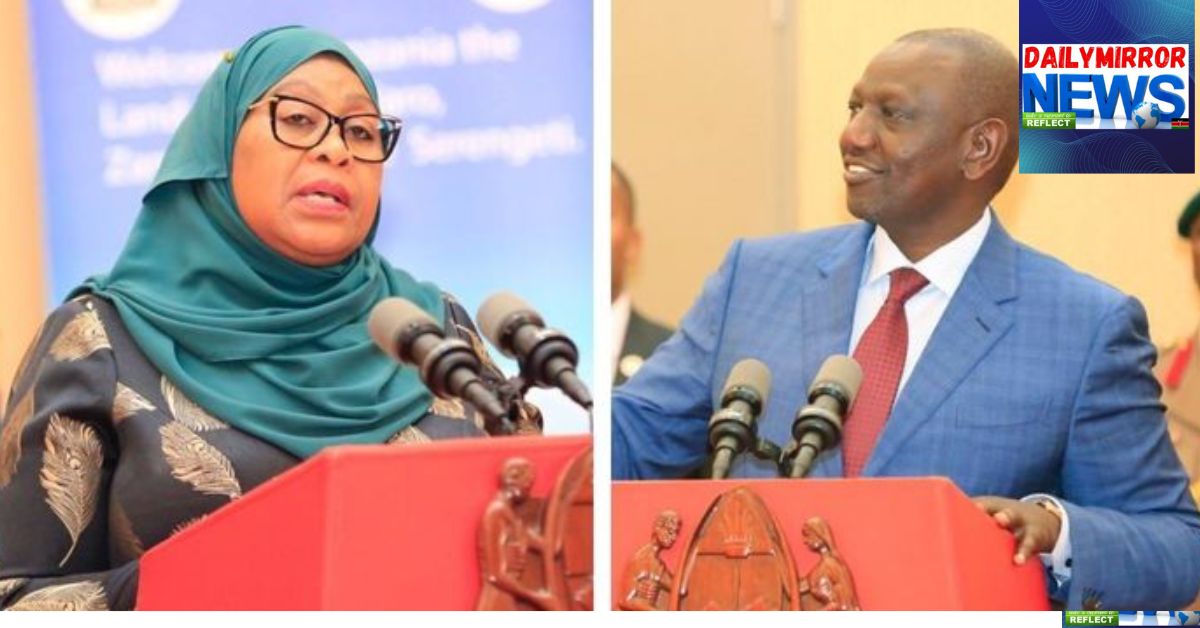
Tanzania Responds to Ruto’s Remarks on Kenya’s Infrastructure and Fuel Prices
The Government of Tanzania has issued a firm response to recent remarks by President William Ruto concerning infrastructure development and fuel pricing across East Africa, escalating a regional debate over economic policy and public expenditure.
President Ruto, speaking during a church service on April 19, defended Kenya’s relatively high fuel prices by pointing to the country’s infrastructure demands, arguing that its status as a middle-income economy necessitates greater investment in road construction and maintenance.
“Kenya is a middle-income country, and we have a responsibility to build and maintain a more extensive road network. That is why our fuel prices may be higher compared to some of our neighbours,” Ruto stated during the address.
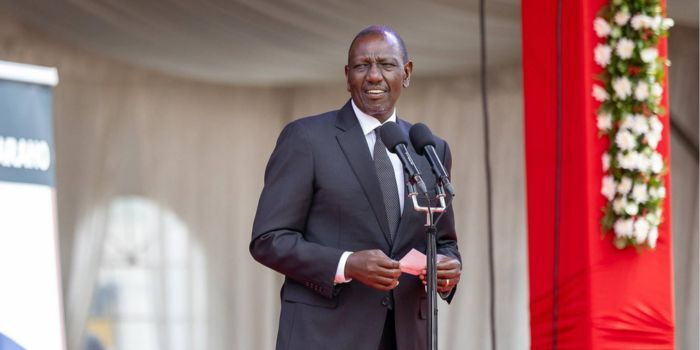
His remarks quickly drew attention across the region, with observers interpreting them as a comparison between Kenya’s infrastructure progress and that of neighbouring countries, including Tanzania.
While no single senior official was immediately quoted in a formal press briefing, government-aligned communications emphasised that Tanzania’s infrastructure growth has been driven by strategic investments and fiscal discipline, without necessarily imposing higher fuel costs on citizens.
“Tanzania continues to invest heavily in infrastructure while ensuring affordability for its people. Our development model is based on sustainability and efficiency,” a government communication noted, reflecting the country’s position on the matter.
Supporters of the Kenyan government’s approach, however, contend that investment in infrastructure is a critical foundation for economic expansion, trade facilitation, and regional competitiveness.
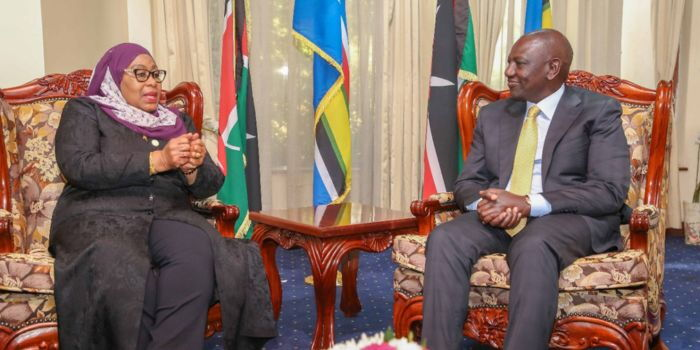
The contrasting positions highlight differing policy approaches within the East African region. Tanzania has often emphasised cost containment and gradual expansion, while Kenya has pursued large-scale infrastructure projects aimed at positioning itself as a regional economic hub.
The remarks also come at a time when regional cooperation remains crucial, particularly in areas such as trade, transport corridors, and energy integration. Experts warn that while healthy debate can drive policy improvements, sustained diplomatic engagement is essential to maintain cohesion within the bloc.
Despite the emerging tensions, there has been no indication of a formal diplomatic dispute between the two nations. Both Kenya and Tanzania continue to maintain strong bilateral ties, with ongoing collaboration in trade, infrastructure, and regional initiatives.
As discussions continue, the focus is likely to remain on how governments can balance ambitious development goals with the economic realities faced by their citizens.
ALSO READ: Police Dismiss Social Media Claims of Shooting in Mlolongo During Fuel Price Protests
Tanzania Responds to Ruto’s Remarks on Kenya’s Infrastructure and Fuel Prices
