



Murkomen Orders Discharge of Police Officers Undergoing Rehabilitation
Interior Cabinet Secretary Kipchumba Murkomen has announced a tough new stance against substance abuse within the National Police Service, declaring that officers found reporting to duty under the influence of alcohol or drugs will be discharged from service after undergoing rehabilitation.
Murkomen made the remarks on Thursday, February 12, during a session with Members of Parliament, where concerns were raised over increasing cases of indiscipline and misconduct linked to substance abuse among police officers.

“Those who are addicted to alcohol will be taken to rehabilitation centres. However, if you are within the disciplined forces, you must accept that we will take you for rehabilitation, give you your dues, and discharge you,” Murkomen declared.
He stressed that while the government recognizes substance addiction as a health challenge, the unique responsibilities carried by police officers require a higher standard of discipline and accountability.
Murkomen cited a recent incident in which an Officer Commanding Station (OCS) allegedly attended a security meeting while intoxicated. According to the CS, junior officers present at the meeting noticed the condition of their superior but were hesitant to raise concerns due to hierarchical constraints.
The Cabinet Secretary said such cases undermine command structures and compromise operational effectiveness, particularly in critical security engagements.
To address the issue systematically, Murkomen revealed that he had directed Inspector General of Police Douglas Kanja to develop a formal framework aimed at preventing intoxicated officers from being deployed.
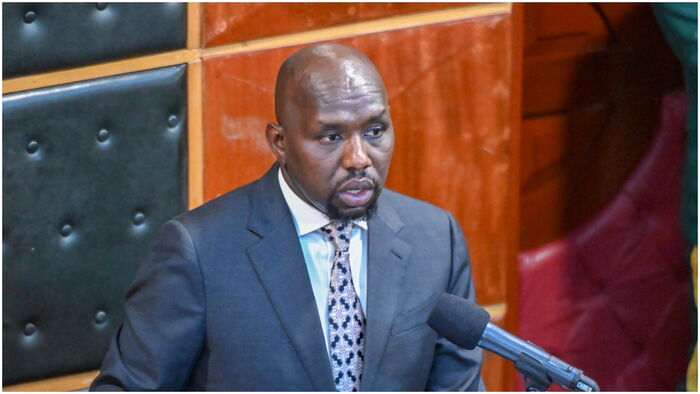
“The IG will develop a framework to ensure that no officer will be deployed when drunk,” he said.
The matter gained renewed attention after National Assembly Majority Leader Kimani Ichung’wah referenced a fatal shooting in Karatina, where a police officer allegedly shot and killed a businessman. The incident triggered public outrage and intensified scrutiny over the mental fitness and discipline of officers on active duty.
In response, Murkomen emphasized that reactive measures such as arresting and charging errant officers were no longer sufficient.
He acknowledged that substance abuse remains a broader challenge within the service and noted that mental health issues, including personal and family-related stress, can also impair judgment.
According to the CS, the forthcoming framework will not only address intoxication but also assess broader psychological fitness before deployment.
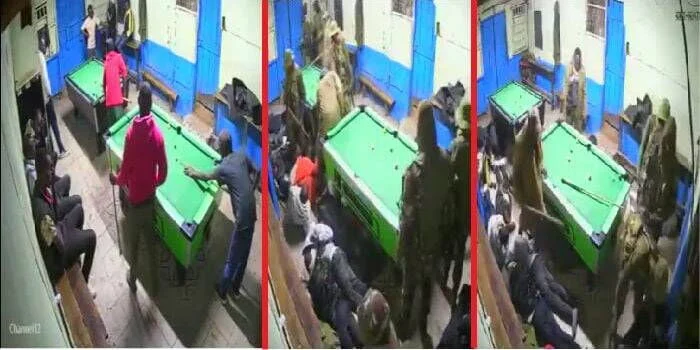
The announcement comes amid heightened public concern over police misconduct. In January, several officers in Nandi County were captured on video physically assaulting youth at a pool joint, sparking widespread condemnation.
Following the incident, reports indicated that administrative action was taken against the officers involved, rather than outright dismissal. The decision drew criticism from leaders, including the Nandi Senator, who questioned whether internal disciplinary measures were sufficient to restore public confidence.
Murkomen maintained that the government’s objective is to professionalize the police service and protect its reputation.
He underscored that discipline, mental stability, and sobriety are non-negotiable requirements for officers entrusted with maintaining law and order.
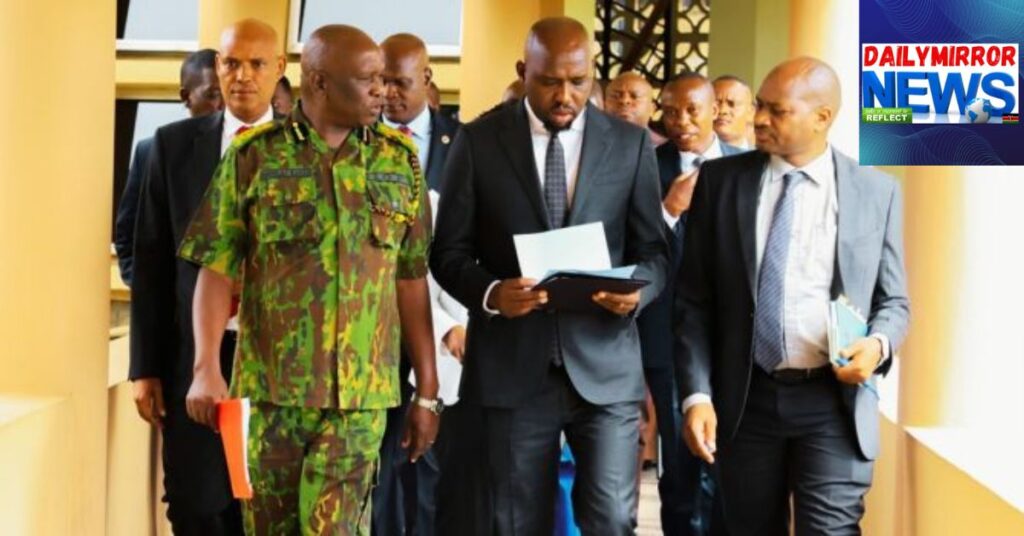
As the Inspector General works on the proposed framework, attention will now turn to how the policy will be implemented and whether it will significantly reduce incidents involving intoxicated officers.
ALSO READ: Ruto Orders Recruitment of 600 Local Teachers in Mandera to Tackle Shortage
Murkomen Orders Discharge of Police Officers Undergoing Rehabilitation
