



Ruto Orders Recruitment of 600 Local Teachers in Mandera to Tackle Shortage
The Head of State made the announcement on Thursday, February 12, while presiding over the issuance of Nyota funds to youth in Mandera. He said the targeted recruitment would ensure continuity of learning in the region, where schools have repeatedly been affected by security incidents that prompt non-local teachers to seek transfers.
“Many teachers who are teaching students in northern Kenya come from Kisumu, Eldoret, Siaya, Central and Coast. Why shouldn’t we have teachers from northern Kenya?” Ruto posed.
The President noted that insecurity in parts of the North Eastern region has disrupted education for years, as teachers deployed from other counties often leave during periods of unrest, leading to temporary school closures and interrupted learning.
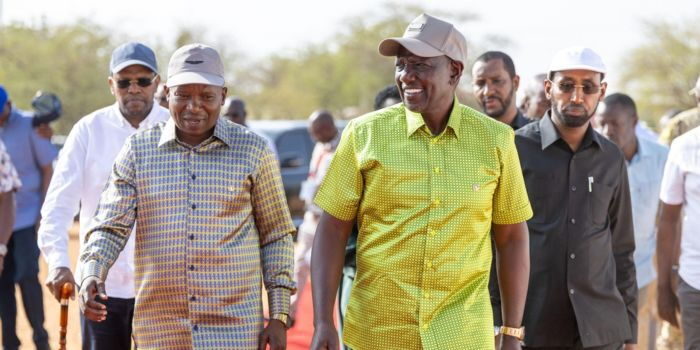
“As a matter of affirmative action, for all the teachers who left here to be replaced, I have said we are hiring here in Mandera another 600 teachers to make sure they take charge of education in our primary and secondary schools,” he announced.
He expressed confidence that recruiting educators born and raised in the region would provide stability even during challenging security situations.
“Now we will have teachers who were born here. Even if there are problems, they will stay here to make sure your children are taught,” the President added.
Mandera County, which borders Somalia and Ethiopia, has faced intermittent security threats linked to suspected Al-Shabaab militants. In January 2026, a teacher was killed in an attack that reignited fears over the safety of educators working in the region. Following the incident, several teachers reportedly sought transfers, citing concerns for their lives.
Education stakeholders have long raised alarm over staffing gaps in northern Kenya, where schools often struggle to retain qualified teachers due to hardship conditions and insecurity. The Teachers Service Commission (TSC) has previously implemented hardship allowances and security measures, but attrition has remained a recurring challenge.
Ruto said the local recruitment plan forms part of a broader strategy to strengthen education systems in marginalised regions while empowering communities through employment opportunities.
Government officials argue that hiring locally will not only reduce disruptions but also build trust between schools and communities, as teachers drawn from the area are more likely to understand local dynamics and remain committed during difficult periods.
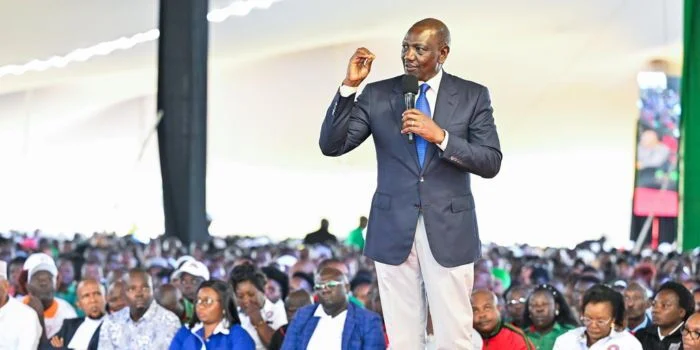
The directive aligns with the administration’s broader pledge to expand the teaching workforce nationwide. Ruto reiterated that his government plans to recruit an additional 24,000 teachers by the start of 2026, bringing the total number hired since he assumed office in 2022 to over 100,000.
Education analysts say the move could help bridge persistent staffing gaps in North Eastern counties, where pupil-to-teacher ratios often exceed national averages. However, they note that sustained improvements will also depend on continued security enhancements and investment in school infrastructure.
Parents and local leaders in Mandera have previously appealed for long-term solutions to stabilise the education sector, arguing that frequent teacher transfers undermine academic performance and morale among learners.
As implementation begins, attention will turn to how quickly the Teachers Service Commission operationalises the directive and whether the initiative will provide lasting relief to schools grappling with staffing instability.
ALSO READ: Junet Accuses Uhuru Kenyatta of Fueling ODM Wrangles
Ruto Orders Recruitment of 600 Local Teachers in Mandera to Tackle Shortage
