



World Bank Flags Corruption as Key Barrier to Kenya’s Economic Growth Ahead of 2027 Election
In its latest Kenya Economic Update, released on Wednesday, November 4, the lender identified corruption as a key constraint preventing the country from achieving faster and more inclusive economic growth.
The report linked corruption to increased government expenditure, higher fiscal deficits and additional borrowing requirements, warning that the economic consequences could affect Kenya’s long-term development prospects.
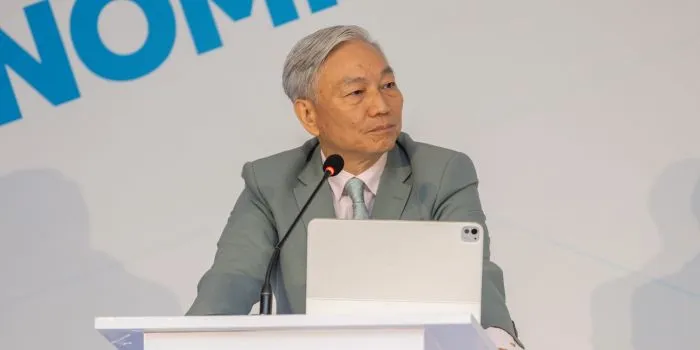
“Governance challenges are increasingly limiting Kenya’s prospects for faster and more broadly shared growth, with corruption as the key binding constraint,” the World Bank stated.
World Bank Explains How Corruption Increases Kenya’s Debt
According to the report, corruption does not only affect public resources but also increases the cost of financing government activities.
The World Bank noted that governance weaknesses contribute to a higher risk premium on sovereign borrowing, making it more expensive for Kenya to access loans from international markets.
Kenya has also faced challenges meeting its fiscal deficit targets, placing additional pressure on public finances.
The lender cautioned that continued wastage of public resources could make it harder for the government to reduce borrowing and create sufficient financial space for development projects.
Anti-Corruption Reforms Could Raise GDP by 22.3%
Despite the concerns, the World Bank identified significant economic opportunities if Kenya implements stronger governance and anti-corruption measures.
Its modelling suggests that moderate reforms could increase Kenya’s GDP by 8.7% by 2035 compared with a scenario in which the country does not implement the proposed changes.
More ambitious reforms could deliver an even greater economic impact, with the lender estimating that GDP could increase by 22.3% by 2035.
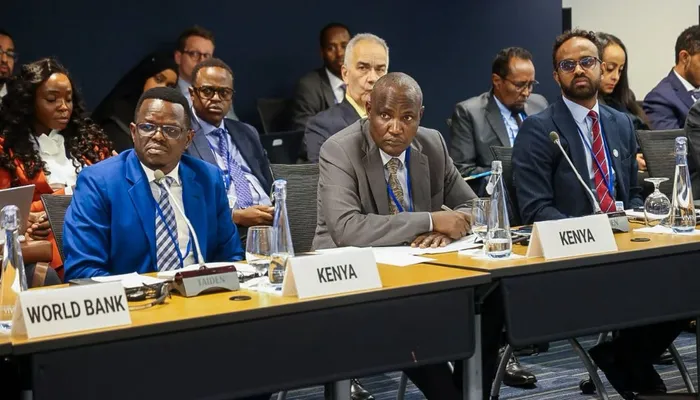
“Modelling suggests that the potential economic and social payoffs from anti-corruption reforms are substantial and the required improvements are reachable,” the lender stated.
World Bank Raises Kenya’s 2026 Growth Forecast
The latest report also contained a positive outlook for Kenya’s economic performance.
The World Bank raised its 2026 economic growth forecast to 4.6%, up from its earlier projection of 4.3%.
The revision followed stronger-than-expected economic performance during the first half of the year.
However, the lender warned that the improved outlook could face risks if the government fails to maintain fiscal discipline.
It cautioned that increased public spending and fiscal slippage could worsen the country’s debt position, particularly if additional expenditure is not matched by sustainable revenue.
2027 Election Raises Economic Uncertainty
The World Bank also highlighted the August 2027 General Election as a potential source of economic uncertainty.
Businesses and investors may delay major decisions as they assess the political and economic environment before and after the election.
Such uncertainty could affect economic activity at a time when Kenya is seeking to strengthen its finances and attract more private investment.
Government Introduces Measures to Address Corruption
The government has been pursuing measures aimed at reducing corruption and wastage in public institutions.

The administration has also signed a conflict of interest law aimed at addressing governance concerns and strengthening accountability among public officials.
The World Bank’s latest assessment places renewed attention on the relationship between governance, public spending and economic growth.
ALSO READ: Sakaja Reveals Ruto, Raila Were Involved in Earlier Talks Over His ODM Move
World Bank Flags Corruption as Key Barrier to Kenya’s Economic Growth Ahead of 2027 Election
