



High Court Declines to Stop NTSA’s Instant Traffic Fine System
The decision came after a motorist filed a petition under a certificate of urgency seeking conservatory orders to halt the enforcement of the system, arguing that it violated constitutional rights and undermined the judicial process.
In its ruling, the court declined to grant the temporary suspension sought by the petitioner, instead directing that the application and petition be formally served to the respondents for further consideration.
The case names the National Transport and Safety Authority as the first respondent and the Office of the Attorney General of Kenya as the second respondent.
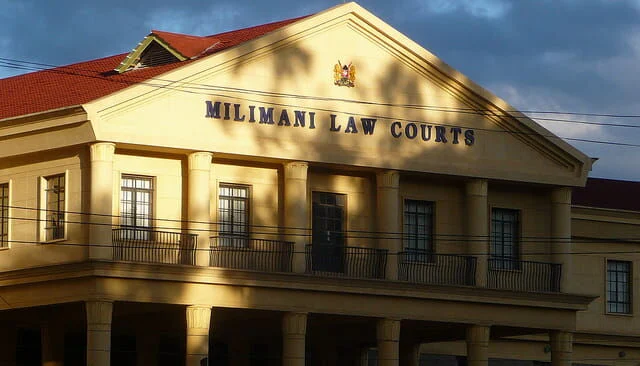
The court ordered that all parties appear for a mention on April 9, 2026, when the court will confirm compliance with its directions and provide further instructions on how the case will proceed.
The petition, filed on Tuesday, March 10, challenges NTSA’s recently unveiled digital traffic enforcement framework, which allows motorists to be issued fines instantly through an automated system linked to traffic monitoring technologies.
According to the petitioner, the new system allows authorities to impose penalties without giving motorists an opportunity to defend themselves before a court of law.
The petitioner argued that such a system effectively bypasses the traditional legal process outlined in Kenya’s traffic laws.
“The system is a veiled attempt at limiting the right to a fair trial under Article 50 of the Constitution of Kenya, 2010,” the petitioner stated in the court filings.

He further argued that the framework deprives motorists accused of traffic violations of the right to appear in court and challenge the allegations against them.
“This, by divesting, among others, the right of alleged accused persons under the Traffic Act to be presented to court, take a plea, challenge and adduce evidence,” the petitioner added.
The legal challenge cites several provisions of the Constitution of Kenya 2010, including Article 47, which guarantees the right to fair administrative action, and Article 50, which protects the right to a fair hearing.
It also references Article 159, which establishes the authority of the judiciary to administer justice.
“The system is a veiled attempt at limiting the right to a fair trial by removing the ability of accused persons to appear in court, take a plea, challenge evidence, and present their defence,” the petition states in part.
Under Kenya’s traditional traffic enforcement framework, motorists accused of violating traffic laws are typically issued with notices requiring them to appear before a magistrate’s court, where they can plead guilty or contest the charges.
The introduction of the automated system marks a shift toward digital enforcement, which authorities say is intended to enhance efficiency, reduce corruption, and improve road safety compliance.
While NTSA has argued that the system is part of broader reforms aimed at modernising traffic enforcement and improving accountability, critics have raised concerns about the potential implications for due process.
Legal experts say the High Court’s refusal to suspend the system at this stage does not determine the final outcome of the case but simply allows the policy to remain in effect while the court considers the constitutional questions raised.

The court will now review arguments from both sides before determining whether the instant fines system complies with Kenya’s constitutional and legal framework.
The outcome of the case could have far-reaching implications for how traffic offences are enforced in Kenya, particularly as the government continues to introduce digital solutions aimed at improving road safety and compliance with traffic regulations.
ALSO READ: High Court Declines to Suspend Infrastructure Fund Act Pending Case Hearing
High Court Declines to Stop NTSA’s Instant Traffic Fine System
