


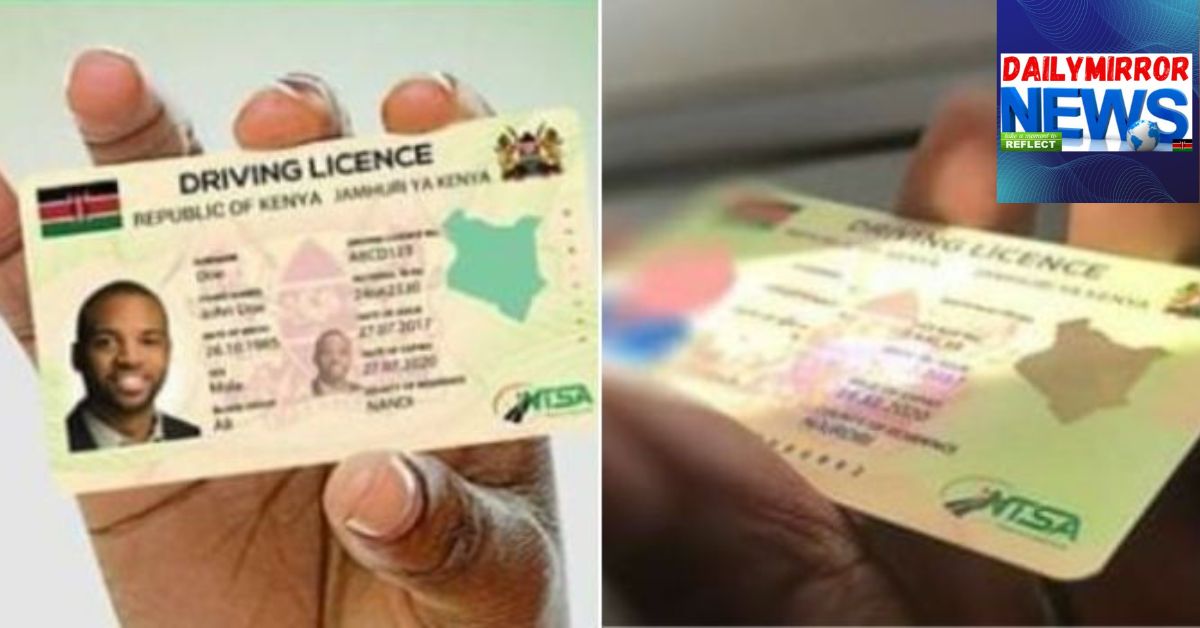
High Court Suspends NTSA Smart Driving Licence and Automated Traffic Fine System
A major government initiative aimed at transforming road safety enforcement and driver identification across Kenya has been temporarily halted after the High Court in Kerugoya suspended the implementation of the National Transport and Safety Authority’s (NTSA) second-generation smart driving licence and automated traffic fines system.
The ruling, issued by Justice Dennis Kizito, places an immediate freeze on a 21-year Public-Private Partnership (PPP) agreement between NTSA and Pesa Print Limited, pending the hearing and determination of a petition filed by the Road Safety Association of Kenya.
In the ruling, the court issued conservatory orders stopping any further implementation of the agreement until the legal challenge is fully heard and determined.
“The implementation of the Public-Private Partnership between NTSA and Pesa Print Limited consortium relating to smart driving licences, automated traffic fines and associated services has been suspended,” Justice Kizito ruled.
Court records show that the matter was certified as urgent on May 29, 2026, with the respondents directed to file their responses within ten days. The case is scheduled for mention on June 21, 2026.
Pesa Print Limited was to oversee the design and printing of the smart cards, while a local banking institution would manage the registration and enrolment process for drivers nationwide.
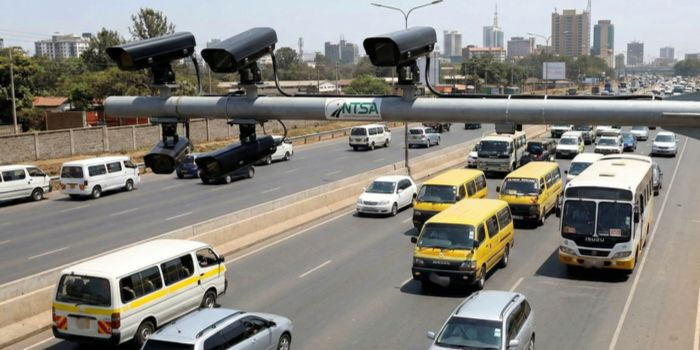
One of the most ambitious aspects of the programme involved the installation of 1,000 intelligent traffic surveillance cameras across Kenya’s road network. The system was to consist of 700 fixed cameras and 300 mobile camera units strategically positioned along highways, urban roads, and other high-risk traffic corridors.
According to project documents, the cameras would automatically detect traffic offences such as speeding, dangerous driving, and other violations. The system would then generate instant penalties linked directly to motorists’ licence profiles.
Drivers found violating traffic regulations would receive automated notifications via text message, informing them of offences committed and the fines imposed.
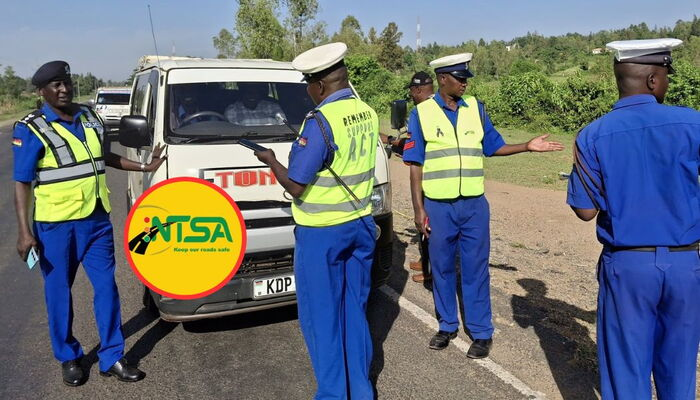
The legal challenge was filed by the Road Safety Association of Kenya, which sought court intervention to halt the implementation of the project pending a full review of the agreement.
The petitioners further argued that NTSA proceeded with the project without conducting adequate public consultations with motorists, transport operators, and other stakeholders likely to be affected by the new system.
Additionally, the association claimed that the authority failed to obtain the necessary board approvals before entering into the multi-billion-shilling arrangement.
“The project was implemented without meaningful public participation and lacks the requisite institutional approvals required under law,” the petition states.
The court’s intervention now places the future of the project in uncertainty as legal proceedings continue.
Until then, the existing driving licence framework and current traffic enforcement mechanisms will remain in place as the legal battle over one of Kenya’s most ambitious transport technology projects unfolds.
ALSO READ: Labour Ministry Publishes New Regulations Raising Wages for Domestic Workers by 12%
High Court Suspends NTSA Smart Driving Licence and Automated Traffic Fine System
