



NTSA Releases Updated List of Approved Motor Vehicle Body Builders in Kenya
The National Transport and Safety Authority (NTSA) has released an updated list of approved motor vehicle body builders, directing all vehicle owners—particularly bus and matatu operators—to engage only certified firms when designing, constructing, or modifying vehicle bodies.
In a statement issued on Monday, April 27, the authority said the directive is part of ongoing efforts to enhance road safety and enforce compliance with national vehicle construction standards amid a rise in road accidents across the country.
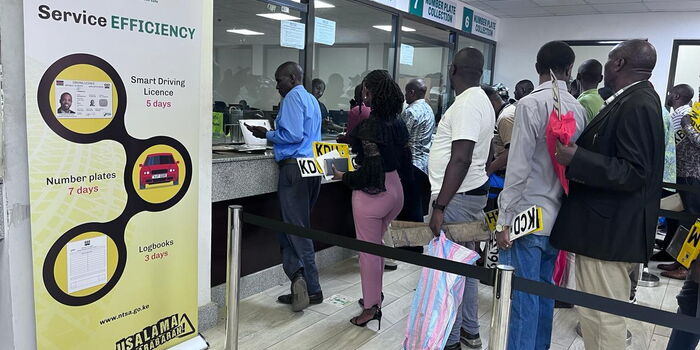
“We require that approved body builders always uphold the highest standards in the materials used, design, construction and assembly of the bodies to contribute to road safety and passenger safety,” NTSA stated.
According to the authority, all approved firms must comply with the Kenya Standard KS 372:2019, a framework that outlines technical and safety requirements for buses and public service vehicles. The standard focuses on structural integrity, durability of materials, and overall vehicle safety to protect passengers and other road users.
Among the notable companies listed are East Africa Coach Manufacturers Limited, Kenya Coach Industries, Associated Vehicle Assemblers Limited, and Kenyan Vehicle Manufacturers Limited. These firms are expected to maintain strict compliance with quality and safety benchmarks set by the regulator.
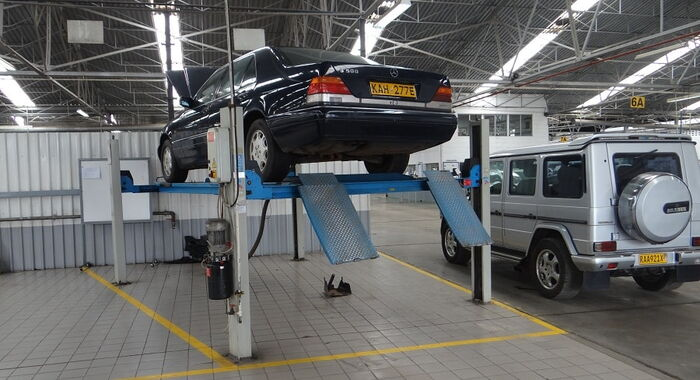
In addition to body builders, NTSA also highlighted the role of conformity assessors—specialised firms tasked with inspecting completed vehicle bodies and certifying their compliance with national standards.
Currently, only two companies—Al-Sahel Services Limited and KABM Services Limited—have been approved to carry out this function, both operating from Nairobi.
“Conformity assessors are responsible for verifying that vehicle bodies meet all required standards before they are allowed on the road,” the authority noted.
These assessors conduct detailed inspections and issue certificates of conformity, including affixing a Vehicle Identification Number (VIN) plate to each compliant vehicle. The VIN serves as proof that the vehicle has met all regulatory requirements and is safe for operation.
The directive comes against the backdrop of growing concerns over road safety, with authorities increasingly focusing on vehicle condition as a major factor contributing to accidents. Poorly constructed or modified vehicles have, in some cases, been cited as increasing the severity of crashes.

Transport experts argue that enforcing the use of approved body builders could significantly reduce such risks by ensuring uniformity in safety standards and eliminating substandard workmanship.
“This move will help eliminate unsafe modifications and ensure vehicles are built to withstand operational demands,” a transport sector analyst observed.
As enforcement tightens, the authority maintains that the initiative is a crucial step toward improving road safety outcomes and protecting the lives of passengers and other road users across the country.
ALSO READ: EPRA to Contract Petroleum Cost Recovery Audit as Turkana Oil Production Begins
NTSA Releases Updated List of Approved Motor Vehicle Body Builders in Kenya
