


EPRA to Contract Petroleum Cost Recovery Audit as Turkana Oil Production Begins
In a notice issued on April 28, the regulator invited qualified firms to apply for the audit tender, a process expected to play a central role in determining how oil production costs are accounted for and, ultimately, how revenues are shared between the
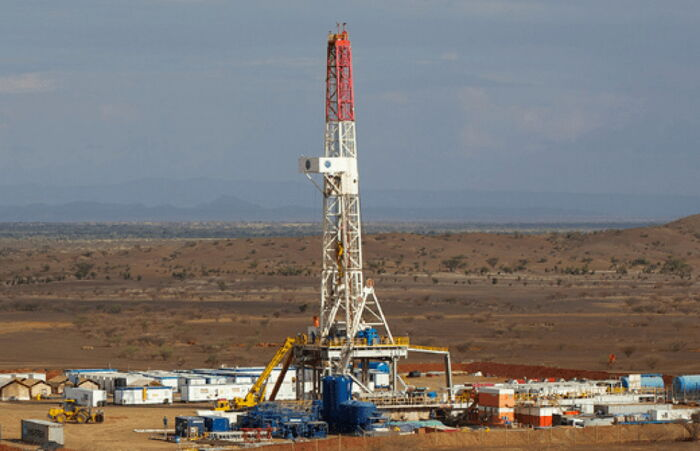
The audit comes at a pivotal moment as Kenya prepares to operationalise oil production in the Turkana County region, an area believed to hold significant crude reserves. The move is widely seen as part of broader efforts to strengthen transparency and accountability in the country’s emerging petroleum sector.
According to EPRA, the cost recovery audit will ensure that oil companies only recover legitimate and verifiable expenses incurred during production, preventing any inflation of costs that could reduce the government’s share of revenue.
“The audit will ensure that only valid, necessary, and contract-compliant expenses are recovered by contractors,” EPRA indicated in its notice.
Under Production Sharing Contracts (PSCs), oil firms are allowed to deduct operational and capital expenditures before profits are shared with the host government. This structure makes cost verification a critical safeguard, as inflated or misreported expenses can significantly lower taxable profits.
“Audits of this nature are essential in protecting national revenue and ensuring fairness in resource-sharing agreements,” the notice further stated.
In addition to financial verification, auditors will assess Authorisation for Expenditure (AFE) documents and approved work programmes by comparing projected budgets with actual spending. This process is expected to help detect cost overruns early and maintain financial discipline within the project lifecycle.
One of the key players in the Turkana oil project is Gulf Energy Ltd, which acquired a majority stake in the project following the exit of Tullow Oil. The firm is expected to spearhead the development of the multi-billion-dollar initiative, estimated at approximately KSh774 billion.
The government has also entered into a government-to-government fuel arrangement with Gulf Energy, allowing Kenya to import fuel on a 180-day credit period. The agreement is aimed at easing pressure on foreign exchange reserves amid fluctuating global oil prices.
President William Ruto has previously described the Turkana oil project as a transformative milestone for the country’s energy sector, emphasizing its potential to reduce reliance on fuel imports.\
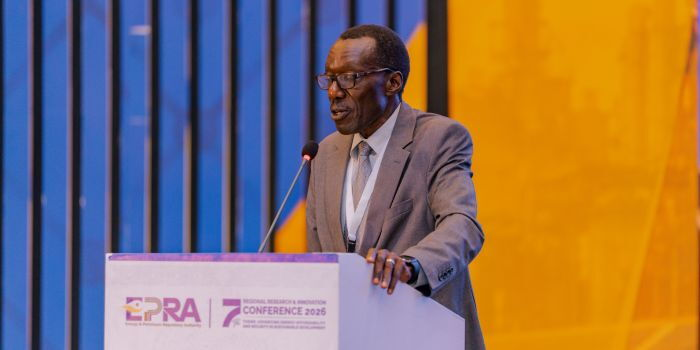
“This is a pivotal step toward self-sufficiency in energy and reducing the burden of imports,” the President noted in earlier remarks.
The audit tender application deadline has been set for May 12, with interested firms required to submit their bids through EPRA’s procurement platform. Meanwhile, initial oil production is projected to begin in December this year, setting the stage for Kenya’s entry into the league of oil-exporting nations.
As the country moves forward with the project, the success of the audit process is expected to play a crucial role in building investor confidence, safeguarding public resources, and ensuring that the benefits of oil production are equitably shared.
ALSO READ: Utawala, Kariokor and Ruai Bypass Among Nairobi Areas Hit by Floods After Overnight Rains
EPRA to Contract Petroleum Cost Recovery Audit as Turkana Oil Production Begins
