


High Court Declines to Suspend Infrastructure Fund Act Pending Case Hearing
In two separate rulings delivered by High Court judges Lawrence Mugambi and Bahati Mwamuye, the court rejected applications for conservatory orders that would have halted the law’s implementation pending the hearing and determination of petitions questioning its constitutionality.
However, the judges certified the petitions as urgent, paving the way for an expedited hearing process as the legal dispute surrounding the law unfolds.
The petitions challenge various aspects of the law and name several state agencies as respondents, including the Office of the Auditor-General of Kenya and the Office of the Controller of Budget.
In one of the rulings, Justice Mwamuye directed the petitioner to serve all respondents and interested parties with the petition and related application documents by March 13. The petitioner was also ordered to file an affidavit confirming service of the documents.

The court further directed that the respondents must file and serve their responses to the application by March 20, while rejoinders and written submissions from the parties involved must be submitted by March 27.
Justice Mwamuye also scheduled April 21 as the date when the court will mention the matter to confirm compliance with the directions issued before proceeding to consider the constitutional questions raised in the petitions.
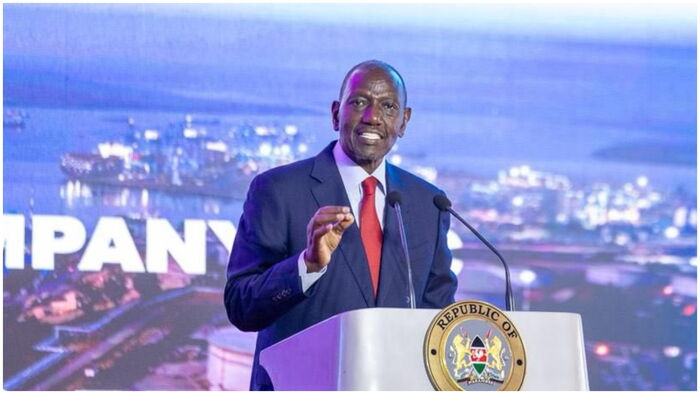
The legal challenge emerged shortly after William Ruto assented to the National Infrastructure Fund Act, formally making it law.
The legislation establishes a National Infrastructure Fund (NIF) designed to mobilise significant financial resources to support major infrastructure development projects across the country.
Government officials have indicated that the fund is expected to raise approximately KSh5 trillion over the coming years to finance projects in transport, energy, logistics, and other strategic sectors.
Under the framework outlined in the Act, the fund will operate as a corporate entity capable of owning property, entering into contracts, and investing directly in infrastructure initiatives.

Instead, the fund will be financed through alternative mechanisms including asset monetisation, partial privatisation of state-owned enterprises, and revenue generated from national resources.
The governance structure of the National Infrastructure Fund will include a seven-member Board of Directors responsible for overseeing its operations and ensuring accountability.
The board will be chaired by an independent director and will also include the Cabinet Secretary for the National Treasury of Kenya, along with four independent directors and two experts in development banking.
According to government officials, strict eligibility rules will be applied to board members. Individuals who have recently held government positions or political office will be barred from appointment in order to protect the independence of the institution.

Members of the board will serve three-year terms, which may be renewed once.
The law also outlines clear grounds for removal from the board, including bankruptcy, criminal conviction, persistent absenteeism from meetings, or entry into political office.
President Ruto has indicated that he plans to appoint a team responsible for selecting the governing council of the fund, a step expected to set the institution’s operational framework in motion.
Legal experts say the court’s decision not to suspend the law means the government may proceed with initial steps to operationalise the fund, even as the judiciary prepares to determine whether the legislation complies with constitutional requirements.
The outcome of the case, expected to unfold in the coming months, could have significant implications for Kenya’s infrastructure financing strategy and the implementation of large-scale development projects under the National Infrastructure Fund.
ALSO READ: Ruto Orders Compensation of Protest Victims By June, Allocates KSh2 Billion
High Court Declines to Suspend Infrastructure Fund Act Pending Case Hearing
