“Kenya’s road transport and safety record is characterised by high levels of road carnages, road indiscipline, poor driver licensing systems, and weak enforcement of traffic violations,” NTSA stated.
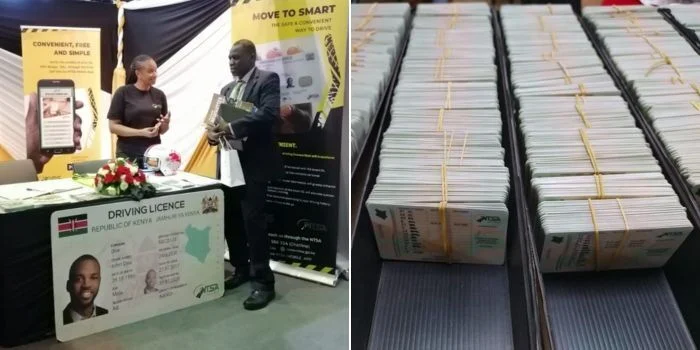
A photo collage of an NTSA official at a driving licence display booth (left) and the smart driving licenses.
The new system is expected to reduce processing times significantly, with licence production timelines set between 24 and 48 hours once fully operational.
“The project is estimated at Ksh42 billion in the initial two to three years, funded exclusively through private debt and equity,” NTSA revealed.
Features of the New Licences
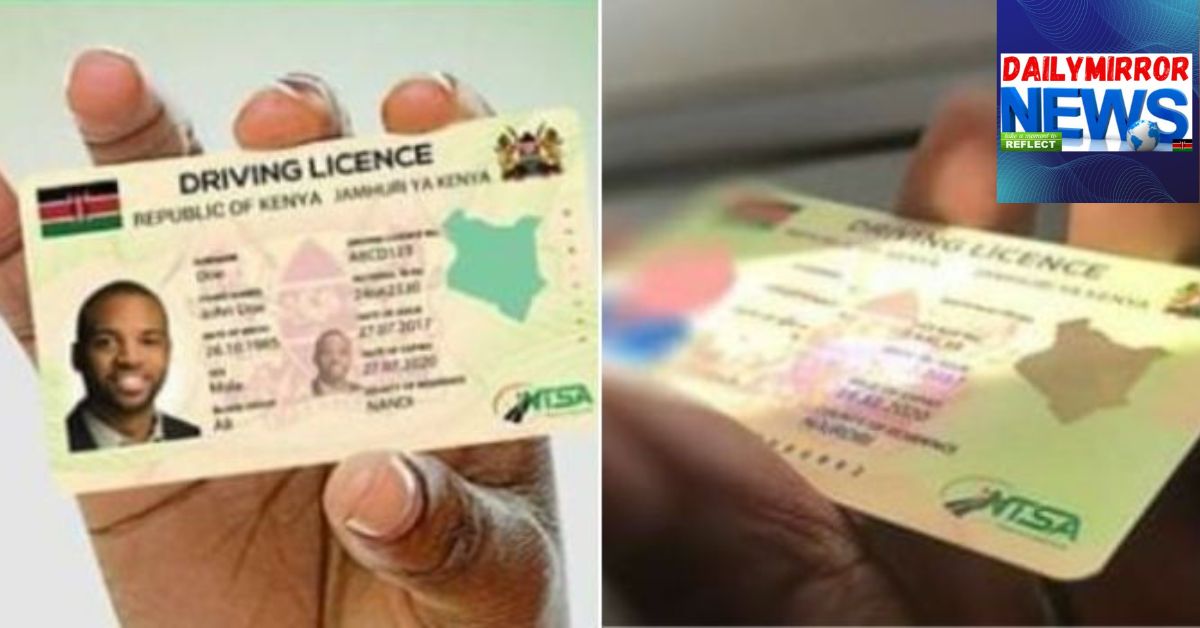
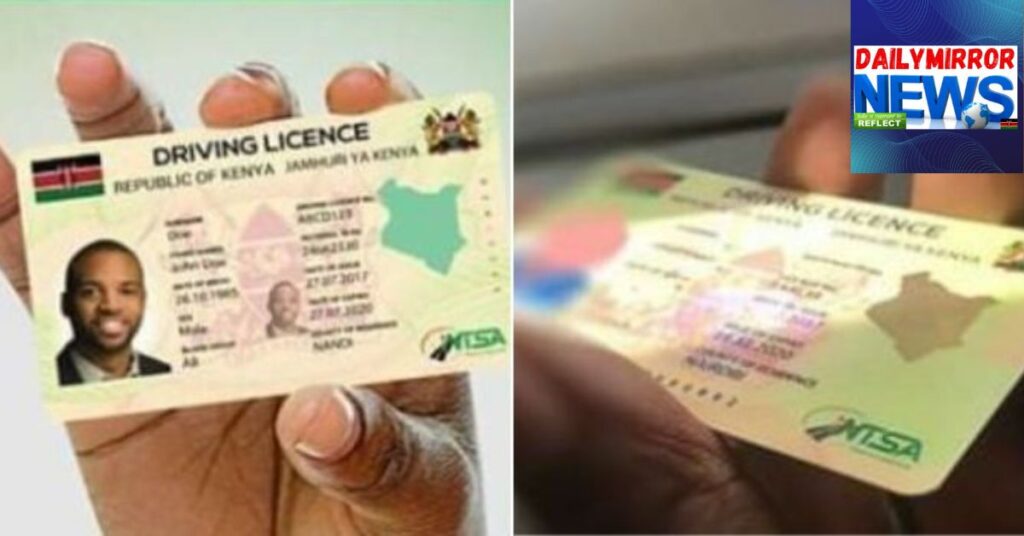
The second-generation licences will be made of secure, five-layer polycarbonate smart cards embedded with chips. NTSA plans to produce approximately five million cards every three years to ensure continuous availability.
To ease congestion at NTSA offices, the initiative will establish more than 102 registration centres nationwide and deploy over 390 enrolment kits to enhance service delivery.
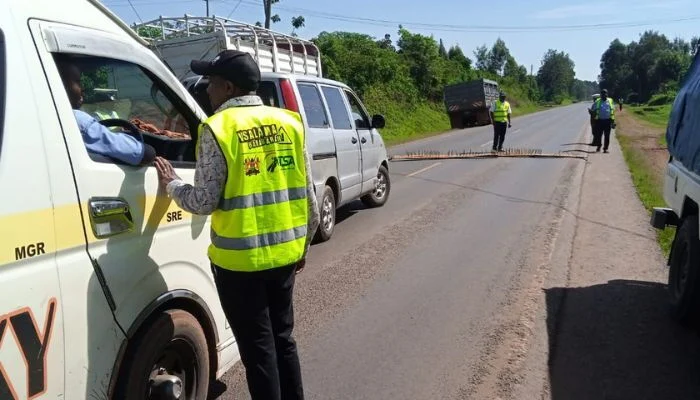
NTSA mounts a multiagency roadblock along a major highway in Kenya
The new system will introduce a demerit points framework, where drivers who repeatedly break traffic rules will accumulate penalties. Persistent offenders could face licence suspension or mandatory retraining.
Under the proposed structure, the prescribed fee for issuance, replacement, or duplication of a smart driving licence will be Ksh3,000.