



EAC Schedules Urgent Meeting to Coordinate Ebola Response Across Member States
The high-level virtual meeting comes amid growing fears over the spread of the virus in parts of the region, particularly in the Democratic Republic of Congo (DRC), Uganda, and South Sudan, where health authorities continue to monitor new infections and strengthen containment measures.

“The EAC is set to convene an Extra-Ordinary Virtual Meeting of the Sectoral Council of Ministers responsible for Health on 1st–2nd June 2026, to deliberate on the ongoing Ebola outbreak affecting the region,” the regional body stated.
The meeting is expected to bring together senior health policymakers, disease surveillance experts, emergency response teams, and regional public health stakeholders to assess the evolving threat posed by the outbreak and identify strategies to strengthen preparedness across member states.
The Secretariat noted that the upcoming ministerial meeting forms part of a broader series of emergency interventions already initiated by the regional bloc since the outbreak was first reported.
“The convening of this high-level meeting is part of a series of urgent actions the EAC Secretariat has initiated, having already intensified regional coordination and preparedness measures following the Ebola outbreak caused by the Bundibugyo virus,” the statement added.
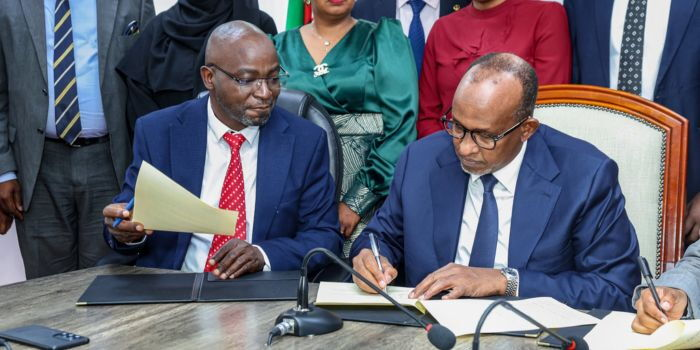
Reports from regional health agencies indicate that more than 130 deaths have been linked to the outbreak, with over 1,000 suspected and confirmed cases recorded in affected areas. While the majority of cases have been concentrated in specific regions, health experts warn that population movement could increase the risk of wider transmission if surveillance systems are not strengthened.
The regional meeting also comes against the backdrop of growing public debate in Kenya regarding plans to establish a quarantine facility intended to support the monitoring of individuals exposed to the virus.
The proposed facility has generated significant public discussion, with critics expressing concerns about potential public health risks and demanding greater transparency regarding any agreements involving international partners.
The issue gained further prominence after the High Court temporarily suspended plans related to the proposed facility, pending the hearing and determination of legal challenges filed by civil society groups.
Despite the legal dispute, government officials have maintained that Kenya remains committed to supporting regional and global health security initiatives while safeguarding the health and safety of its citizens.

As ministers gather for the two-day emergency session, attention will be focused on whether the regional bloc can develop a unified strategy capable of containing the outbreak while strengthening East Africa’s collective ability to respond to future public health emergencies.
With the virus continuing to pose a threat across parts of the region, the outcome of the meeting is expected to play a significant role in determining how member states coordinate surveillance, resource mobilisation, emergency response operations, and public communication in the weeks ahead.
ALSO READ: NTSA Clarifies Driving Test Application Process Following Concerns Over Missing Booking Feature
EAC Schedules Urgent Meeting to Coordinate Ebola Response Across Member States
