



U.S. to Engage Kenya After High Court Halts Ebola Facility in Laikipia
The United States government has broken its silence following a High Court decision that temporarily suspended the planned establishment of a U.S.-linked Ebola quarantine and isolation facility in Laikipia County, signaling its intention to engage Kenyan authorities in an effort to address concerns surrounding the controversial project.
In a statement issued on Saturday, May 30, President Donald Trump’s administration acknowledged the court proceedings and expressed optimism that ongoing discussions with Kenyan officials would help resolve objections raised against the proposed facility.
“We are aware of the court action filed in Kenya against the Ebola isolation facility. We are in touch with Kenyan authorities and are optimistic we can resolve objections,” the U.S. government stated.

The ruling was delivered by Justice Patricia Nyaundi following an urgent petition filed by Katiba Institute at the Milimani Law Courts. The constitutional lobby group argued that the proposed facility raised serious constitutional, public health, and national security concerns that required judicial scrutiny before implementation.
In her orders, Justice Nyaundi barred the Kenyan government from facilitating, approving, operationalising, or permitting the establishment of the proposed facility until the matter is fully heard and determined.
“A conservatory order is hereby issued restraining the respondents from establishing, operationalising, facilitating, or approving the establishment of any Ebola exposure, quarantine, isolation or treatment facility in Kenya,” the court directed.
The judge certified the matter as urgent and directed the respondents to file their responses within 48 hours after being served. Katiba Institute was also granted leave to file a supplementary affidavit after receiving the responses.
According to reports, the facility was expected to become operational within a week and would initially consist of a 50-bed field hospital designed to monitor and isolate individuals potentially exposed to the Ebola virus.
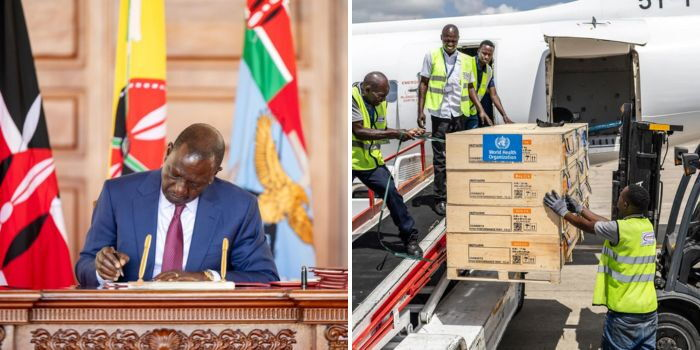
The centre was also expected to be staffed by members of the U.S. Public Health Service, with teams reportedly undergoing specialised Ebola response training at Joint Base Andrews in Maryland before deployment to Kenya.
Supporters of the initiative have argued that the facility would strengthen regional disease surveillance and emergency preparedness at a time when East Africa faces increased health risks linked to Ebola outbreaks in the Democratic Republic of Congo and Uganda.
The latest developments come only days after a high-level phone conversation between President William Ruto and U.S. Secretary of State Marco Rubio on May 28.
During the discussions, the two leaders reportedly reviewed the regional Ebola situation, public health preparedness measures, and opportunities for enhanced cooperation between Kenya and the United States.
Following the call, Rubio announced a U.S. commitment of approximately Ksh1.74 billion aimed at supporting Kenya’s Ebola preparedness efforts, including surveillance systems, laboratory capacity, emergency response operations, and public health infrastructure.
While the future of the proposed Laikipia facility now rests with the courts, the dispute has placed Kenya at the centre of an important debate balancing international health cooperation, constitutional safeguards, and public confidence in disease preparedness measures.

The matter is expected to return to court in the coming days as both the Kenyan government and U.S. officials seek clarity on the way forward amid increasing scrutiny from legal experts, health professionals, and members of the public.
ALSO READ: U.S. Health Authorities Deploy Team to Kenya for Ebola Monitoring Amid Court Suspension
U.S. to Engage Kenya After High Court Halts Ebola Facility in Laikipia
