



DRC Says It Can Handle Ebola as U.S.-Kenya Quarantine Plan Faces Growing Backlash
Speaking during an interview on BBC Focus on Africa, DRC Government Spokesperson and Information Minister Patrick Muyaya emphasized that his country possesses extensive experience in handling Ebola outbreaks and suggested that response efforts should focus on the source of the outbreak rather than relocating exposed individuals to other countries.
“We have been talking with the U.S. government since the beginning of the outbreak, and some of the specialists here are already working with the U.S. government,” Muyaya stated during the interview.
The minister further highlighted the country’s track record in combating Ebola, arguing that the DRC has developed significant expertise after dealing with multiple outbreaks over the years.
“I need to remind the world that DRC has experience and expertise on this epidemic. The last time we had an outbreak in Kasai, we finished it in six weeks,” he added.
According to reports, the proposed facility would be used to monitor and care for American citizens returning from Ebola-affected regions of the DRC. The arrangement was also expected to form part of broader cooperation between Kenya and the United States on regional disease preparedness and emergency response.
However, the proposal has faced significant resistance from sections of Kenyan society, with critics raising concerns about public health risks, transparency, constitutional compliance, and national security implications.
The controversy escalated further after the High Court in Nairobi issued conservatory orders temporarily suspending the implementation of the proposed facility.
In its ruling, the court barred the establishment of any Ebola exposure, quarantine, isolation, or treatment centre linked to the reported arrangement until the matter is fully heard and determined.
The constitutional lobby group further contended that the proposed arrangement raised fundamental legal questions regarding public participation, environmental assessments, and the government’s obligation to protect citizens from potential health risks.
“We are aware of the court action filed in Kenya against the Ebola isolation facility. We are in touch with Kenyan authorities and are optimistic we can resolve objections,” the U.S. government said in a statement.
Meanwhile, reports have emerged indicating that the U.S. Public Health Service Commissioned Corps is preparing to deploy a specialized Ebola response team to Kenya as part of broader regional preparedness efforts.
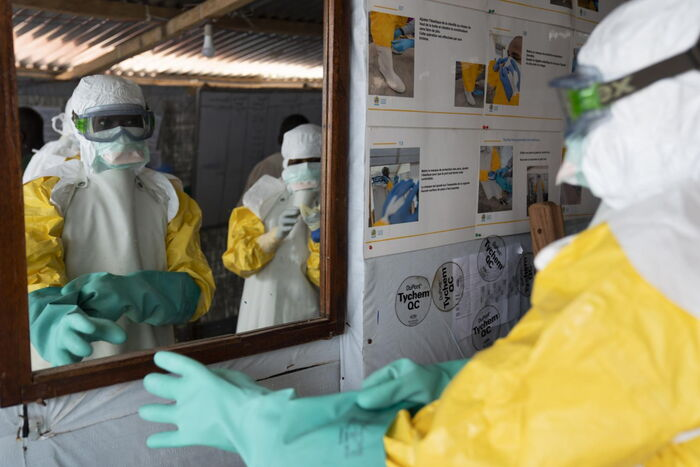
The team is expected to include physicians, nurses, laboratory specialists, mental health professionals, and emergency response experts trained in handling Ebola outbreaks and quarantine operations.
The announcement has intensified debate across Kenya, particularly in Laikipia County, where local leaders have questioned why the facility should be established in the region.
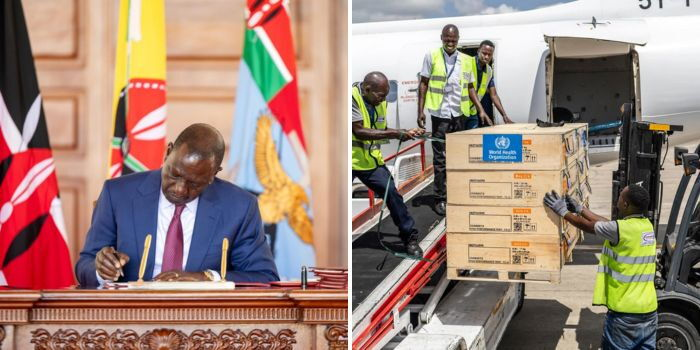
As the legal battle unfolds, the High Court suspension remains in effect, creating uncertainty over the future of the proposed facility. At the same time, reports suggesting that a U.S. military cargo aircraft may have arrived in Kenya carrying Ebola-response equipment have added another layer of public interest to an issue that continues to dominate national and regional discussions.

With court proceedings expected to continue in the coming days, attention now turns to how Kenya, the United States, and regional health authorities will balance international cooperation, public health preparedness, and constitutional requirements in responding to one of Africa’s most closely watched health developments.
ALSO READ: U.S. to Engage Kenya After High Court Halts Ebola Facility in Laikipia
DRC Says It Can Handle Ebola as U.S.-Kenya Quarantine Plan Faces Growing Backlash
