



“We Are Starving!” – Refugees Plead for Urgent Help After U.S. Cuts Foreign Aid
The ripple effect of this decision, which began in January 2025, is now hitting home — hard.
Hunger Replaces Hope
Previously, the World Food Programme (WFP) injected KSh 200 million monthly through the Bamba Chakula program.
That money allowed refugees to buy food and other essentials from select shops. It also supported dozens of local businesses.
But now, everything is changing.
“Demand has dropped. Our shops are empty. Customers are broke,” said a Kakuma retailer, clearly shaken.
Refugees are now struggling to access even the most basic meals. According to camp officials, the situation is spiraling fast.
Aid Cuts Bite Deeper Each Day
Collins Buleti, Head of Programmes at Kakuma Camp, offered a grim update.
“Food rations have gone from 80 per cent in 2022 to 40 per cent,” he revealed.
“Nowadays, supplies last only two weeks. WFP comes just once a month.”
More Refugees, Less Help
Even as resources dry up, more refugees continue to arrive from war-torn regions.
They are fleeing famine, violence, and climate disasters. But when they reach the camps, they find empty shelves and unanswered prayers.
The pressure on already limited supplies grows daily.
Desperation Turns to Protest
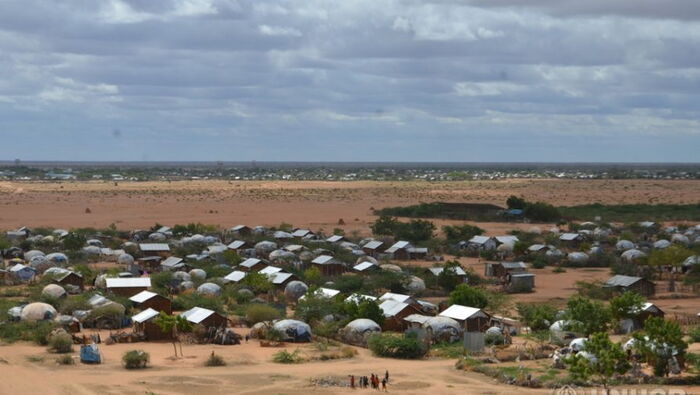
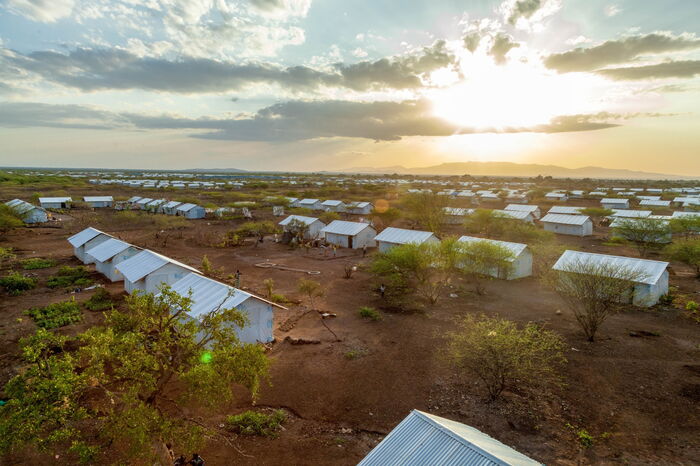
Over the weekend, refugees held peaceful protests in both Kakuma and Dadaab.
“We are starving. We need food. We need hope,” one protester said, holding back tears.
So far, no official response has come from Nairobi. Aid organizations warn the window to act is closing fast.
Countdown to Catastrophe
Unless urgent action is taken, Kakuma and Dadaab may face a full-blown famine by June 2025.
Lives hang in the balance. Hunger is winning. And silence could be deadly.

ALSO READ:Trump Issues New Orders Affecting Some Kenyan Products
“We Are Starving!” – Refugees Plead for Urgent Help After U.S. Cuts Foreign Aid
