



Uganda to Invest Ksh32.95 Billion in Kenya Pipeline IPO Deal
Nairobi, Kenya – The Kenyan government is set to receive Ksh32.95 billion (USD255.4 million) from Uganda as part of Kampala’s investment in the ongoing Kenya Pipeline Company (KPC) initial public offering (IPO). The deal will see Uganda secure long-term access to regional fuel transport infrastructure, strengthening its position in East Africa’s energy supply chain.
The investment will be made through the Uganda National Oil Company (UNOC), which will become a strategic shareholder in KPC. The move follows months of negotiations and was first signaled during President William Ruto’s visit to Uganda in November 2025, when Kampala expressed interest in acquiring partial ownership of the pipeline.
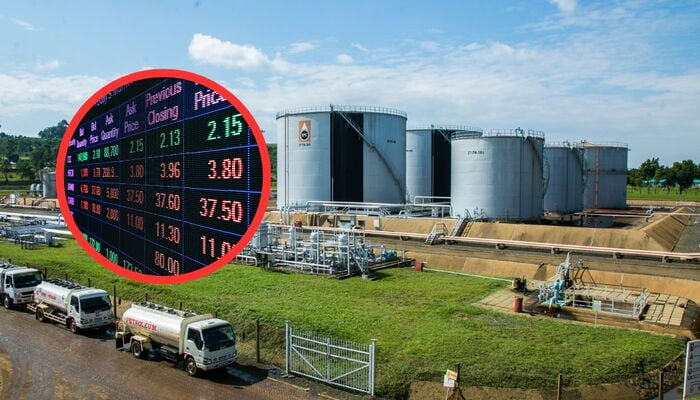
Strategic Importance
Uganda’s Energy Ministry confirmed that the investment will give UNOC control over part of the pipeline corridor that handles the bulk of Uganda’s petroleum imports. Nearly all of Uganda’s refined petroleum products are transported via the pipeline network stretching from the Port of Mombasa to key transit hubs in western Kenya.
“By investing in KPC, Uganda aims to enhance supply chain stability, ensure reliable and affordable fuel imports, and reinforce its strategic position in East Africa’s evolving energy landscape,” Uganda’s Minister of Energy and Mineral Development Ruth Ssentamu stated.
According to Uganda, approximately 65 per cent of petroleum volumes moving through the pipeline are destined for its market, contributing nearly 35 per cent of KPC’s revenue base.
Kenya’s Privatisation Drive
The IPO, scheduled to close on Tuesday, February 24 at 5 p.m., is part of Kenya’s broader strategy to offload roughly two-thirds of its stake in KPC. The deal is valued at Ksh106.31 billion (USD824 million), with proceeds earmarked for the creation of an infrastructure investment fund and a sovereign wealth portfolio to finance future strategic projects.
Last week, the High Court of Kenya dismissed a petition challenging the Privatisation Act, 2025, effectively paving the way for the sale of stakes in state-owned enterprises, including KPC.
In his ruling delivered at the Milimani Law Courts on February 19, Justice Bahati Mwamuye rejected arguments by civil society organisations, including the Consumers Federation of Kenya (CoFEK), that the law undermined parliamentary authority.
“The Privatisation Act, 2025, is consistent with constitutional requirements and provides a framework for the transparent disposal of public assets,” Justice Mwamuye noted.
Regional Developments
Uganda’s investment in KPC comes as the country pursues broader infrastructure projects to diversify its transport corridors. In a related development, Uganda has announced plans to construct a new railway line connecting it to Tanzania through its southern and southwestern regions.
According to documents from Uganda’s Ministry of Transport, the proposed railway will run from the border with Tanzania, pass through southern Uganda, and terminate at Mpondwe near the border with the Democratic Republic of Congo.
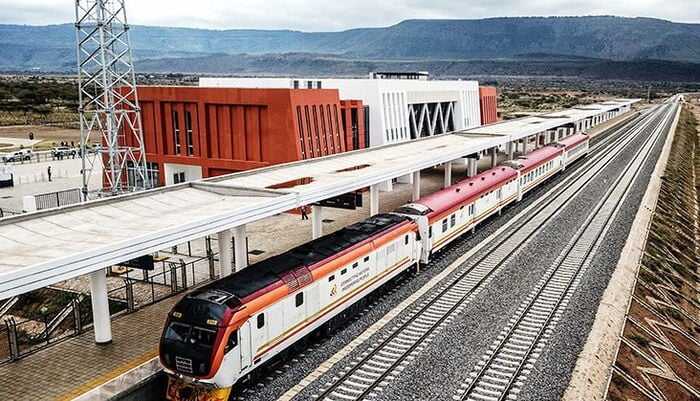
Uganda currently channels a large portion of its commodity exports through the Port of Mombasa and has previously signaled intentions to link its Standard Gauge Railway (SGR) network to Kenya’s system.
Conclusion
Uganda’s Ksh32.95 billion investment in KPC marks a significant milestone in regional energy cooperation, underscoring the strategic importance of Kenya’s pipeline infrastructure. As Kenya advances its privatisation agenda, the deal highlights growing cross-border partnerships aimed at securing fuel supply chains and financing future infrastructure projects across East Africa.

ALSO READ: KUCCPS Unveils Subject Requirements for 33 TVET Courses Targeting C, D & E Students
Uganda to Invest Ksh32.95 Billion in Kenya Pipeline IPO Deal
