


U.S. Issues Travel Advisory to 13 Countries Amid Gulf Tensions
The U.S. Department of State has issued a sweeping travel advisory affecting 13 countries across the Middle East and surrounding regions, urging American citizens to exercise heightened caution or avoid travel altogether as tensions escalate following a major military confrontation involving United States, Israel, and Iran.
In a statement released on Monday, March 2, the department warned that the rapidly evolving security situation—marked by missile exchanges and drone attacks—poses significant risks to civilians, infrastructure, and international travel.
According to the advisory, U.S. citizens have been urged to exercise increased caution when travelling to countries including Egypt, Jordan, Oman, Saudi Arabia, and the United Arab Emirates due to their vulnerability to potential missile strikes linked to the ongoing conflict.
Additionally, Americans have been advised to reconsider travel to Bahrain, Kuwait, Pakistan, Qatar, and Israel, citing heightened regional instability and the possibility of further escalations.
The advisory goes further to designate Iran, Iraq, and Lebanon as no-travel zones, warning that these countries are currently experiencing direct and sustained military strikes.
A senior official identified as Namdar emphasised the administration’s priority on citizen safety, stating: “The Trump Administration has no higher priority than the safety and security of Americans everywhere. Here is a brief summary of our latest security guidance for Americans in the Middle East as of March 1, 4pm EST,” underscoring the urgency of the advisory.
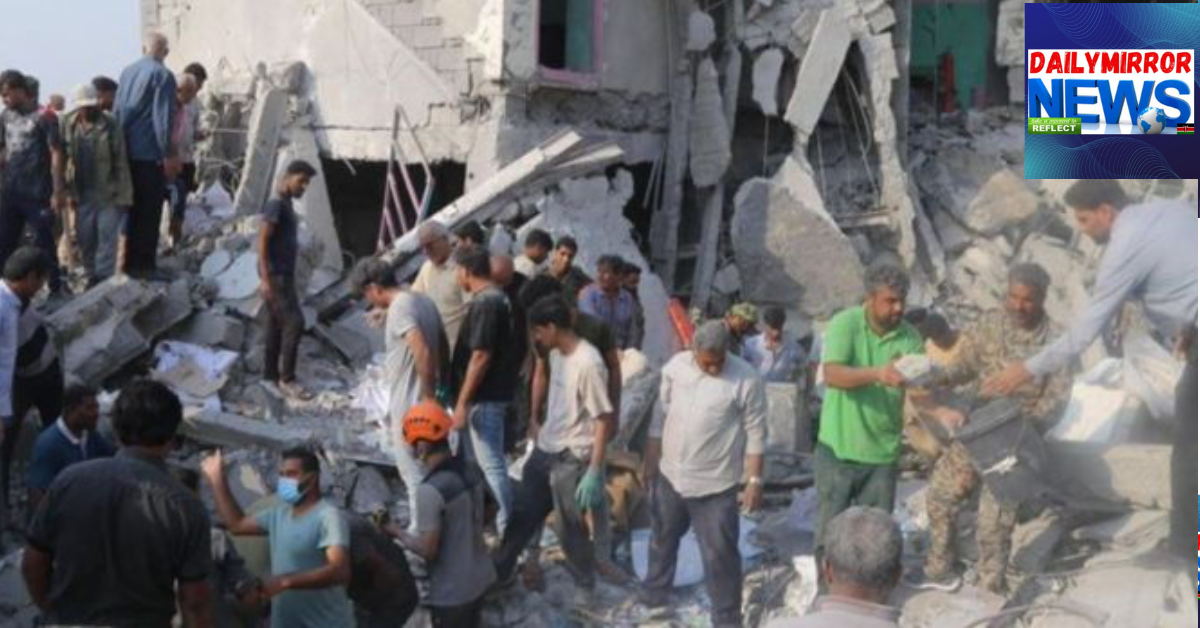
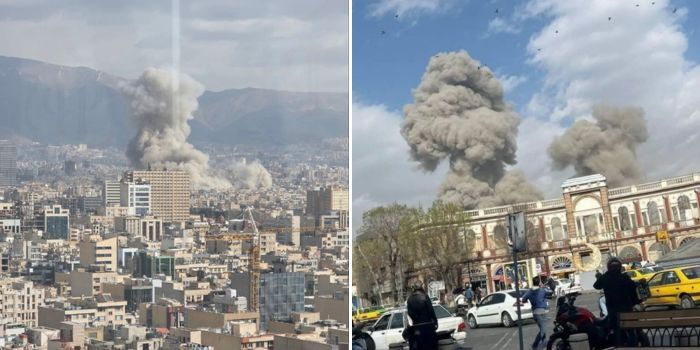
The warning follows a major military operation carried out on February 28, 2026, targeting strategic sites in Tehran. The strikes, attributed to coordinated efforts by the United States and Israel, triggered swift retaliation from Iran, escalating fears of a broader regional conflict.
Authorities in the United Arab Emirates reported significant incoming fire, including 165 ballistic missiles, two cruise missiles, and over 500 drones. While most were intercepted, several impacts were recorded at key infrastructure, including airports and commercial landmarks.
Similarly, officials in Qatar confirmed that dozens of missiles and drones targeted their territory, with debris and limited damage reported in parts of the capital, Doha. Kuwait and Bahrain also reported large-scale interception operations, though some projectiles struck sensitive installations, including military facilities hosting U.S. personnel.

The intensifying conflict has drawn concern from global leaders, including William Ruto, who warned that the expansion of hostilities beyond initial conflict zones could have far-reaching consequences for international peace and security.
“It is evident that the regionalisation of this conflict poses a grave threat to international peace and security,” Ruto stated.
He further called for renewed reliance on global diplomatic frameworks, adding: “At this defining and perilous moment in global history, longstanding multilateral institutions remain indispensable frameworks for the resolution of the current crisis in the Middle East,”.
As the situation continues to evolve, the U.S. Department of State has urged its citizens to remain vigilant, monitor official updates, and adhere strictly to security guidelines issued by local authorities and diplomatic missions.
With no immediate signs of de-escalation, the travel advisory reflects a broader international effort to mitigate civilian risk as diplomatic channels struggle to contain one of the most volatile geopolitical crises in recent years.
ALSO READ: Ambassador Addresses Iran Targeting Kenya
U.S. Issues Travel Advisory to 13 Countries Amid Gulf Tensions
