


Treasury PS Hints at VAT and Income Tax Cuts in Finance Bill 2026
The government is considering possible reductions to Value Added Tax (VAT) and income tax in the proposed Finance Bill 2026, a move that could offer relief to Kenyan households grappling with high living costs and shrinking disposable incomes.
Treasury Principal Secretary Chris Kiptoo revealed the plans on Thursday, January 29, while addressing lawmakers during an ongoing legislative retreat in Naivasha. Kiptoo was briefing Members of Parliament on the state of the economy, fiscal performance, and the government’s medium-term tax reform agenda.
According to the PS, the proposed changes are anchored on the Medium-Term Revenue Strategy and the National Tax Policy, which aim to simplify the tax system, harmonise tax laws, and create room for targeted reductions in key tax rates where fiscal conditions permit.

“Our aim is that, if the situation allows, we want to ensure that tax rates such as VAT are brought down,” Kiptoo said.
He disclosed that the Treasury is considering reducing VAT from the current 16 per cent to 15 per cent, alongside potential adjustments to income tax rates, subject to the availability of fiscal space and overall revenue performance.
If implemented, the measures could significantly increase disposable income for households and stimulate consumer spending. For instance, an employee earning Ksh100,000 per month currently pays approximately Ksh30,000 in income tax. A modest reduction could lower their tax bill by about Ksh3,000, leaving more money for household needs or savings.
Similarly, a VAT cut would lower the cost of everyday goods and services. A product priced at Ksh1,000 before tax currently retails at Ksh1,160. With a reduced VAT rate of 15 per cent, the price would fall to Ksh1,150. For a household spending Ksh50,000 monthly on VATable items, this would amount to savings of around Ksh500 each month.
Combined, the proposed VAT and income tax reductions could leave an average household with an extra Ksh3,500 per month, potentially boosting consumption, savings, or investment.

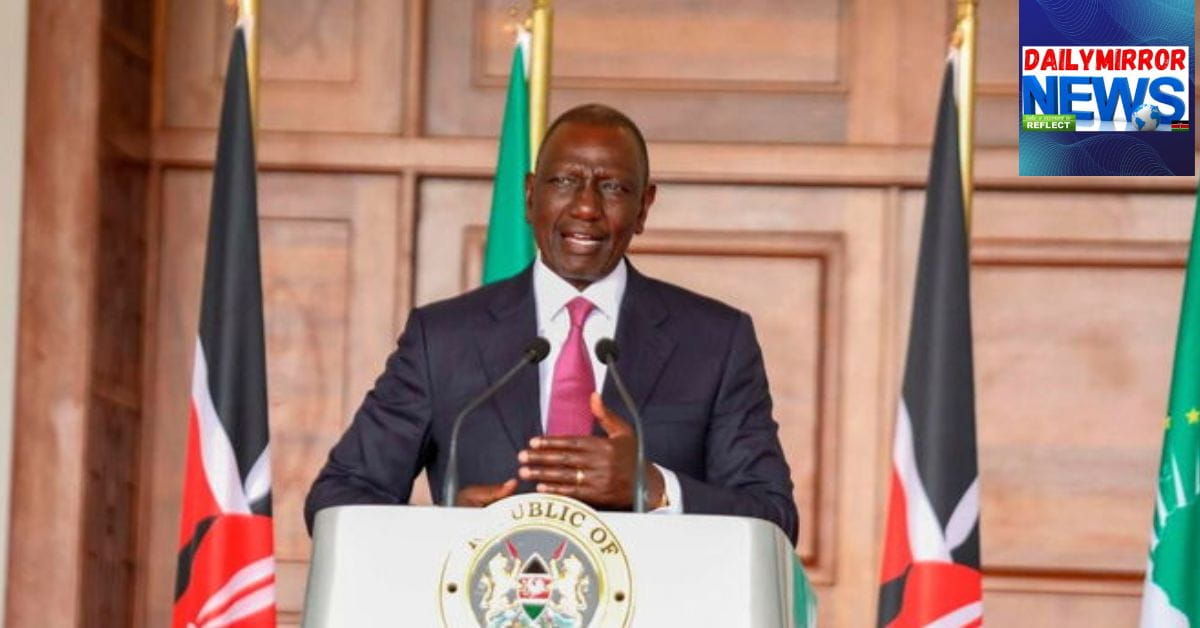
Treasury PS Chris Kiptoo, during a Legislative Retreat in Naivasha making presentations on the state of the economy and national security on January 29, 2026.
“The challenge is when you adjust downwards, and you do not get a corresponding expansion, then a challenge arises,” he warned, noting that reduced tax rates could strain public finances if economic growth does not compensate for the revenue loss.
The Treasury is expected to finalise its proposals for inclusion in the Finance Bill 2026 ahead of submission to the Cabinet next week. The proposals will also form part of the Budget Policy Statement (BPS), which will be tabled in Parliament during the upcoming budget cycle for debate and approval.
Kiptoo emphasised that any tax adjustments would be calibrated to safeguard fiscal stability while responding to public pressure for relief from rising deductions, including PAYE, housing levy contributions, and Social Health Authority (SHA) premiums.
The discussion comes amid growing calls from political leaders and industry groups for a comprehensive review of Kenya’s tax regime. On Wednesday, former Deputy Chief of Staff and presidential hopeful Eliud Owalo promised sweeping tax reforms if elected, including slashing income tax to 20 per cent and VAT to 10 per cent.
Owalo argued that the current PAYE structure is punitive, eroding take-home pay and constraining economic growth. He said excessive taxation has discouraged productivity and investment at a time when households are already strained by inflation.
Earlier, in December last year, the Kenya Bankers Association (KBA) proposed a restructuring of PAYE tax bands. The proposal includes raising the minimum taxable income from Ksh24,000 to Ksh30,000 and capping the top tax rate at 30 per cent.

Under the KBA plan, income below Ksh30,000 would be tax-free, earnings between Ksh30,001 and Ksh50,000 taxed at 15 per cent, Ksh50,001 to Ksh100,000 at 20 per cent, Ksh100,001 to Ksh400,000 at 25 per cent, and income above Ksh400,000 at 30 per cent.
As debate intensifies, attention will now shift to whether the Treasury’s proposed tax cuts make it into the final Finance Bill and how Parliament responds to growing demands for tax relief.
ALSO READ: Uhuru Denies Directing Gachagua to Organise Mt Kenya Leaders’ Meeting
Treasury PS Hints at VAT and Income Tax Cuts in Finance Bill 2026
