


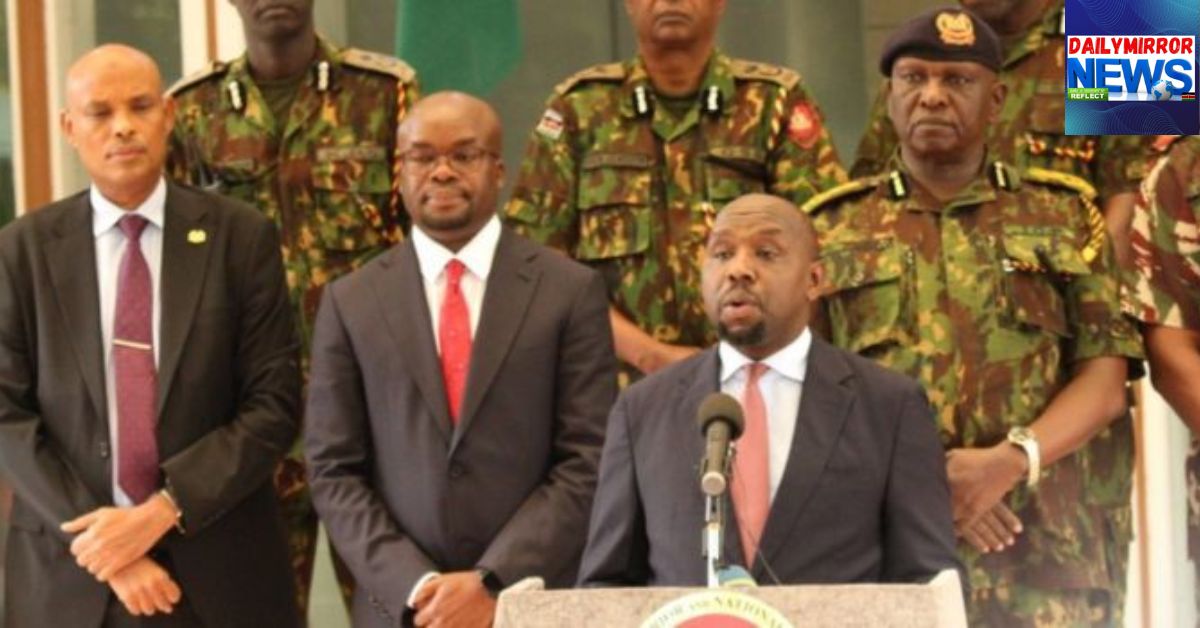
Murkomen Declares Muslim Brotherhood and Hizb-ur-Tahrir Terrorist Groups in Kenya
A wave of shock and concern swept across Kenya on Saturday, September 19, after Interior Cabinet Secretary Kipchumba Murkomen gazetted the Muslim Brotherhood and Hizb-ur-Tahrir as terrorist organizations. The declaration, made under the 2025 Prevention of Terrorism Order, marks a significant shift in Kenya’s counterterrorism strategy.
“These Entities Are Now Illegal,” Murkomen Announces
In the gazette notice, Murkomen made it clear that the designation would remain in force indefinitely unless revoked or overturned by a court.
“The entities specified in the Schedule are declared to be specified entities under section 3(3) of the Prevention of Terrorism Act,” the notice read. “The declaration shall remain in force until it is revoked by the Cabinet Secretary or by order of the court,” it added.
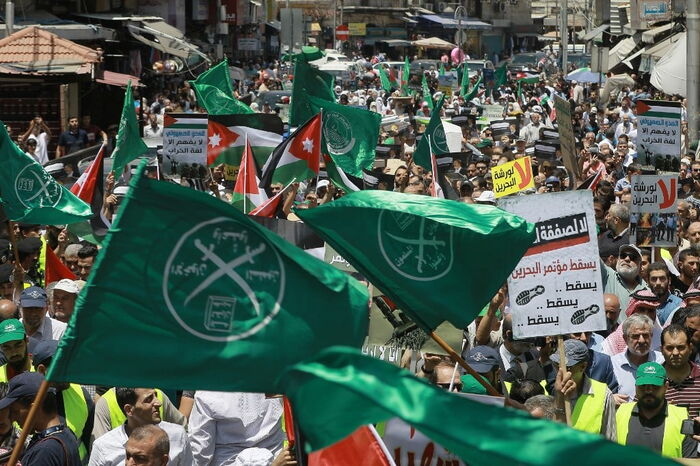
Flags of the Muslim Brotherhood (green), being waved during protests denouncing the US-led Middle East economic conference in Bahrain, on June 21, 2019.
This move now makes it unlawful to fund, support, or operate either group within Kenya’s borders.
Muslim Brotherhood: Global Reach, Controversial Legacy
Founded in Egypt in 1928, the Muslim Brotherhood has long been a powerful Sunni Islamist movement. It blends religious ideology with political activism and social outreach. However, critics argue that its teachings have inspired extremism and violence.
“Despite its public image of peaceful activism, the group has a troubling history,” said a regional security analyst.
Hizb-ur-Tahrir: Caliphate Dreams and Digital Mobilization
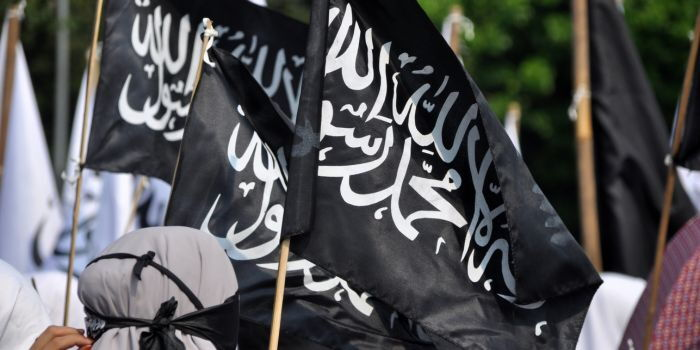
Hizb-ur-Tahrir, on the other hand, is known for its push to re-establish a global Islamic caliphate. Active in dozens of countries, the group uses online platforms and political mobilization to spread its ideology.
“They aim to subvert existing governments and replace them with a unified Islamic rule,” noted a counterterrorism expert.
Besides Kenya, Hizb-ur-Tahrir is outlawed in the United Kingdom and India.
Public Reaction: Mixed Emotions and Rising Questions
While some Kenyans applauded the move as necessary for national security, others raised concerns about religious profiling and freedom of expression.
“We support efforts to fight terrorism, but we must avoid targeting faith-based groups unfairly,” said a human rights advocate.
Murkomen’s declaration comes amid heightened global scrutiny of extremist networks and their influence across Africa.
“Kenya must remain vigilant. These groups pose real threats,” warned a government spokesperson.
ALSO READ: Murkomen Sounds Alarm on Goons Ahead of By-Elections: “We’re Coming for You”
Murkomen Declares Muslim Brotherhood and Hizb-ur-Tahrir Terrorist Groups in Kenya
