


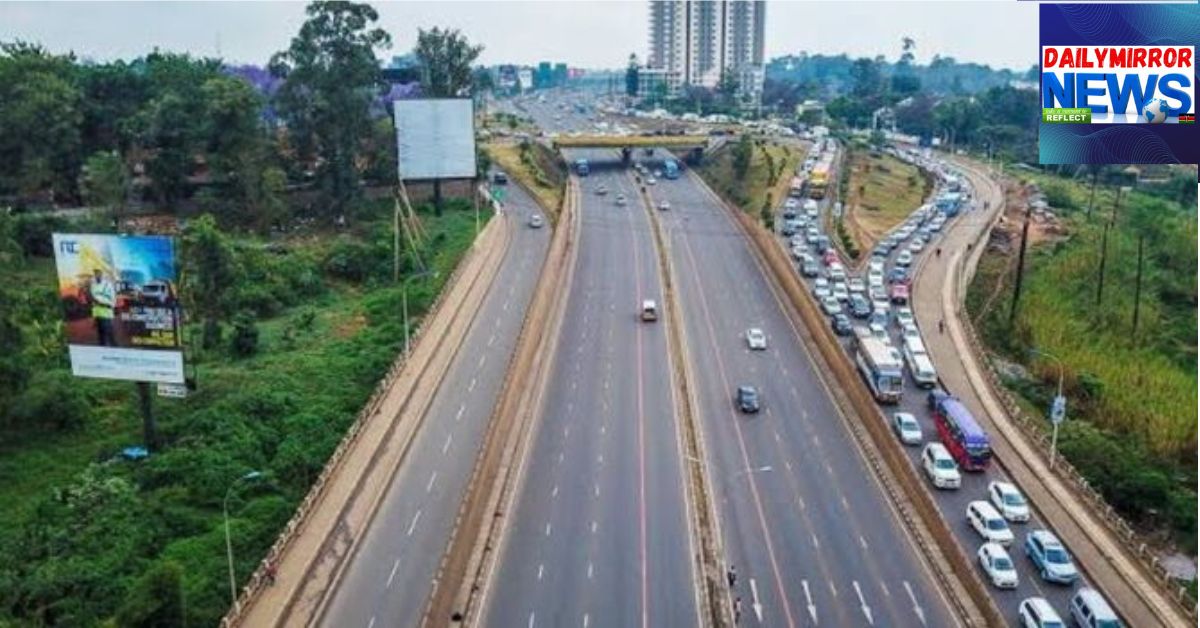
Motorists Move to Court Over NTSA’s 50 km/h Speed Limit on Nairobi-Embu Highway
The petition, filed before the High Court in Murang’a, questions the legality and safety of the deceleration zone established near Montezuma Monalisa Funeral Home in the Makenji area, with the petitioner arguing that the abrupt reduction in speed poses a danger to motorists rather than enhancing road safety.
Motorist Nicholas Karimi Muna, through his lawyer Gachie Mwanza, is asking the court to suspend enforcement of the speed limit pending the hearing and determination of the case.
According to court documents, the petitioner argues that motorists travelling at highway speeds are forced to slow down abruptly upon reaching the designated section, creating conditions that could increase the likelihood of serious road accidents.
“The sudden reduction from highway speed to 50 kilometres per hour on a dual carriageway creates dangerous driving conditions and exposes motorists to the risk of fatal rear-end collisions,” the petition argues.
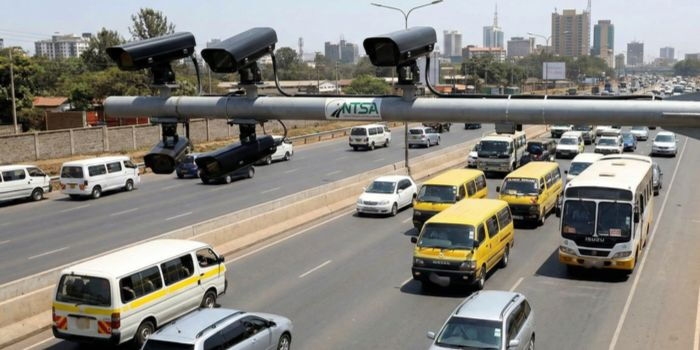
The petition comes as Kenya continues implementing an ambitious digital traffic management programme designed to reduce road crashes through automated speed enforcement.
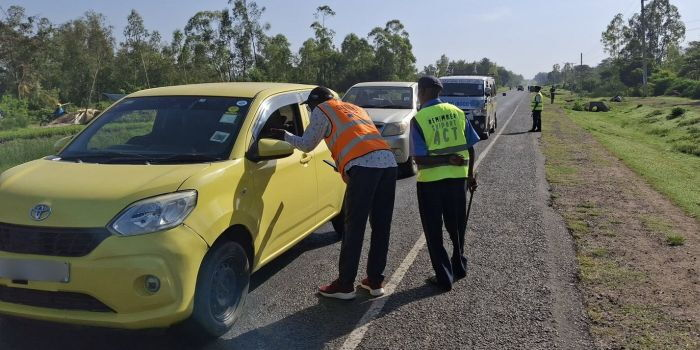
Several locations, including Kenol, Makuyu, Sagana and Karatina, have become active enforcement zones where motorists are required to reduce speed to 50 km/h before proceeding through built-up sections.
Similar restrictions have also been introduced on parts of Red Hill Road, Lang’ata Road and several entry points leading into Nairobi’s Central Business District.
The speed limits are being enforced through an integrated intelligent traffic management system involving NTSA, KCB Bank Limited and Pesa Print Consortium.
Motorists using highways such as Thika Superhighway, the Nairobi-Embu Highway, Mombasa Road and other major transport corridors are increasingly encountering automated speed enforcement technology.
The authority has repeatedly reminded motorists that they are required to slow down immediately upon approaching designated urban centres, regardless of the speed limit applicable on the preceding highway section.
However, the programme has continued to attract criticism from sections of the public.
Others have questioned whether sufficient warning signs and transition zones have been provided before the reduced speed limits take effect.
A ruling in favour of the petitioner could have significant implications for similar low-speed zones established across the country, potentially prompting a review of how speed limits are introduced and enforced on major highways.
ALSO READ: MPs Push Back Against NTSA Plan to Attach Instant Traffic Fines to Vehicle Logbooks
Motorists Move to Court Over NTSA’s 50 km/h Speed Limit on Nairobi-Embu Highway
