


Lawyer Moves to Court to Challenge New NTSA Motor Vehicle Inspection Rules Ahead of July Rollout
The petition, filed on Monday, June 29, comes just days before the nationwide vehicle inspection programme is scheduled to commence on July 1, setting the stage for what could become a landmark legal challenge on transport regulation and administrative law in Kenya.
Constitutional lawyer Charles Mugane is asking the High Court to suspend the implementation of the regulations pending the hearing and determination of the case, arguing that the authority failed to comply with constitutional requirements before introducing the new framework.
According to the petition, NTSA did not adequately consult members of the public, transport stakeholders, motorists and other affected parties before rolling out the regulations, an omission the lawyer says violates constitutional principles governing public participation and fair administrative action.
The lawyer contends that any regulation imposing financial obligations on citizens must strictly comply with constitutional and statutory requirements, including meaningful public engagement before implementation.
In his application before the High Court, Mugane seeks conservatory orders suspending the regulations until the constitutional issues raised in the petition are fully heard and determined.
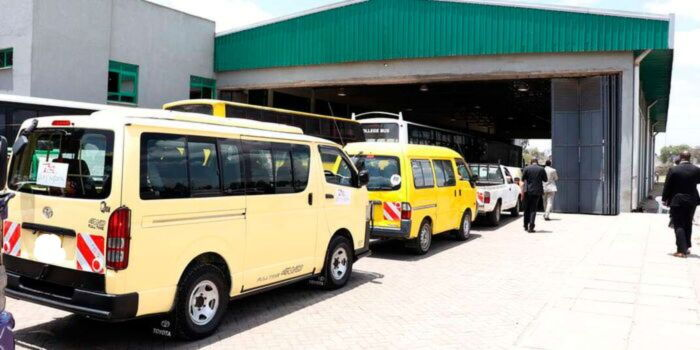
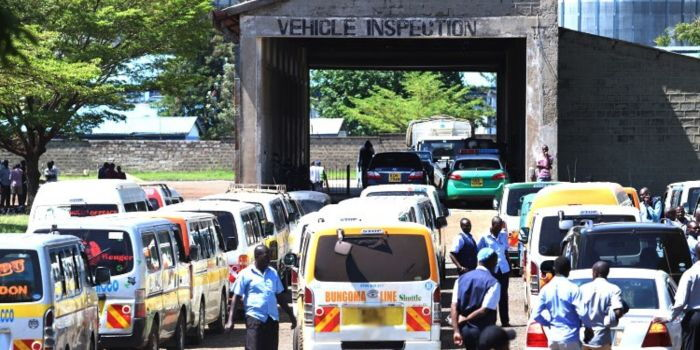
Initially, NTSA had announced that all vehicles older than four years from the date of manufacture—including privately owned vehicles—would be subjected to mandatory annual inspections.
Under the framework, motorists were expected to pay an inspection fee of Ksh2,000, while owners who failed to present their vehicles for inspection risked a Ksh20,000 fine.
However, following widespread public concern and criticism, NTSA revised part of its implementation strategy.
In a statement issued on Sunday, June 29, the authority clarified that traffic officers would not immediately enforce the mandatory inspection requirement against private vehicle owners during routine road checks.
“We assure the public that during route checks, traffic officers shall not enforce the mandatory inspection requirement on private motor vehicle owners,” NTSA stated.
The clarification was viewed by many motorists as temporary relief amid growing concerns over the financial implications of the new inspection programme and questions surrounding its implementation.
The authority also announced additional concessions affecting commercial transport operators.
School transport providers and operators of commercial service vehicles will not face penalties for failing to comply with some of the newly introduced requirements until further notice, giving operators additional time to align with the new regulations.
Meanwhile, opposition leaders have also signaled plans to challenge the regulations through the courts.
DAP-Kenya Party leader Eugene Wamalwa has criticised the policy, arguing that the mandatory inspection programme would impose an unnecessary financial burden on Kenyans already struggling with the rising cost of living.
His remarks reflect broader concerns raised by sections of the public who argue that while improving road safety remains important, the implementation of new regulatory measures should balance safety objectives with affordability and adequate stakeholder consultation.
At the same time, constitutional experts maintain that government agencies must ensure major policy changes comply with legal procedures, particularly where they introduce new obligations, fees or penalties affecting millions of citizens.
The outcome of the case is likely to have significant implications for NTSA’s vehicle inspection programme, future transport regulations and the broader application of constitutional requirements on public participation in Kenya.
Lawyer Moves to Court to Challenge New NTSA Motor Vehicle Inspection Rules Ahead of July Rollout
