


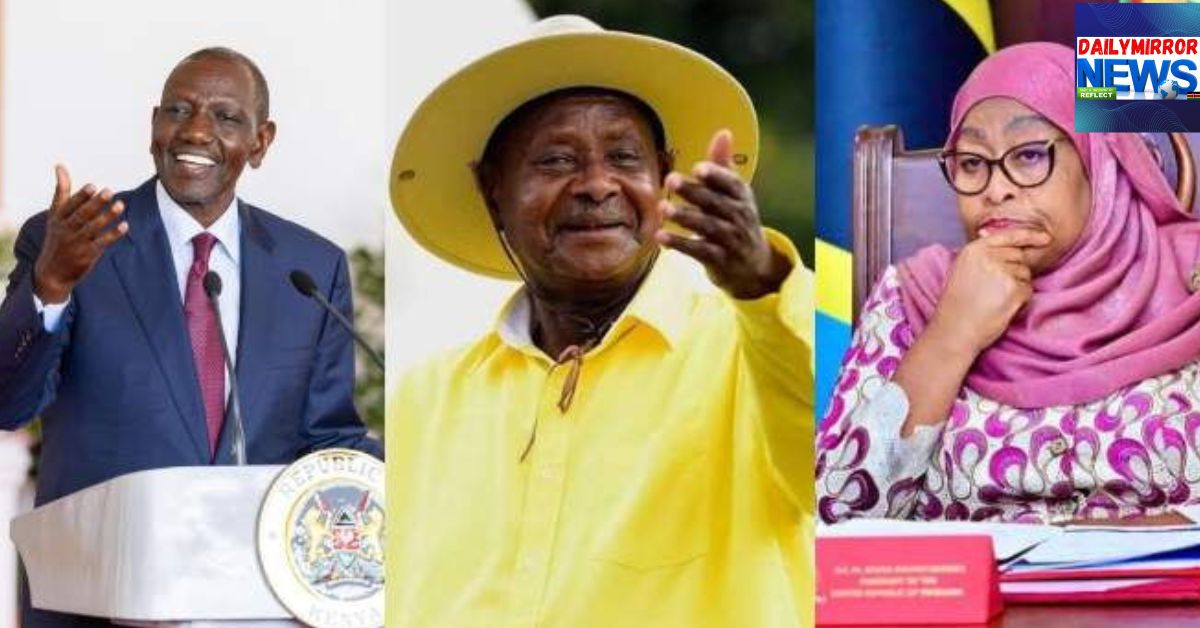
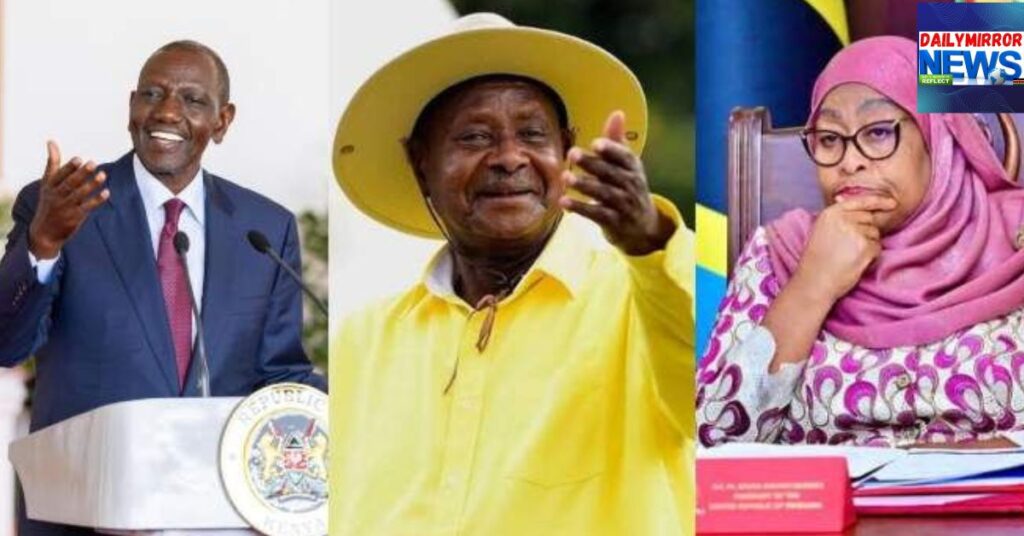
KHRC Accuses Ruto, Suluhu and Museveni of Criminalising Dissent, Calls for Action on Enforced Disappearances
In a strongly worded statement dated June 29, the rights organisation alleged that the administrations of President William Ruto, Tanzanian President Samia Suluhu Hassan, and Ugandan President Yoweri Museveni have overseen an environment in which activists, journalists and government critics face intimidation, arbitrary arrests and enforced disappearances.
The commission argued that security agencies in the three countries have increasingly targeted individuals exercising their constitutional rights to protest, express opinions and engage in civic activism.
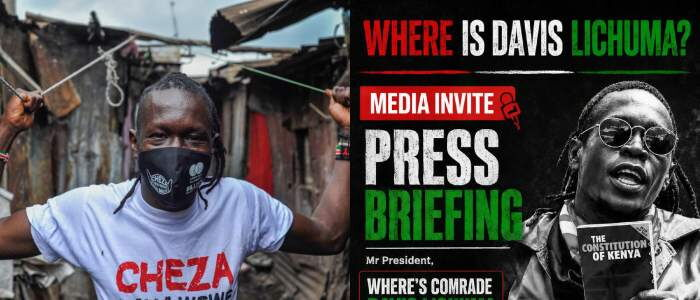
The commission further declared that “the people of East Africa are not subjects to be hunted, silenced or disappeared.”
According to KHRC, President Ruto’s administration should be held accountable for what it described as arbitrary arrests and the enforced disappearance of seven Kenyan human rights defenders following a wreath-laying ceremony held on June 25 to commemorate victims of previous protests.
The rights body maintained that the incidents point to what it termed a coordinated crackdown on civic freedoms across East Africa.
“Regional leaders must immediately order an end to enforced disappearances, produce all disappeared persons, investigate and prosecute those responsible, and guarantee that no person is punished for dissent, protest, journalism, human rights work or political association,” the commission demanded.
As part of its recommendations, KHRC called for the immediate resignation of Inspector General of Police Douglas Kanja, Deputy Inspector General Eliud Lagat, and other senior security officials whom it alleges bear responsibility for the reported disappearances and cases of torture.
The commission also demanded that missing activists Abdulaziz Molu, Michael Oloo, and MacMillan Kiarie Mugo either be produced before a court of law or released immediately if they are in state custody.
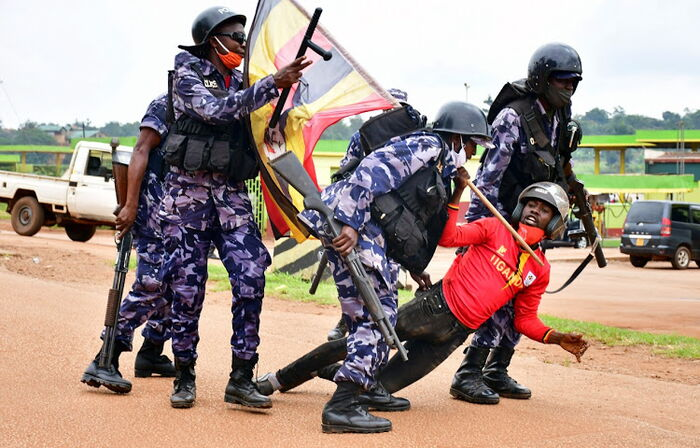
In addition, KHRC questioned the legal basis of treason charges brought against activist Bob Njagi, arguing that criminal offences should not be used to suppress legitimate political expression and civic participation.
Beyond the individual cases, KHRC cited international governance indicators to support its concerns regarding civic freedoms in the region.
According to the commission, Kenya is currently classified as “Partly Free” by Freedom House with an overall score of 49 out of 100, while recent assessments indicate a decline in civil liberties and press freedom, including increased reports of journalist harassment and censorship.
Uganda is similarly classified as “Partly Free,” with a significantly lower score on civil liberties, while Tanzania remains categorised as “Not Free,” reflecting concerns over restrictions on political participation, freedom of assembly and electoral processes.
As of the time of publication, the governments of Kenya, Tanzania and Uganda had not formally responded to the latest allegations contained in the KHRC statement. The respective governments have previously maintained that their security agencies operate within the law and have consistently stated that any allegations of misconduct should be investigated through established legal and independent oversight mechanisms.
ALSO READ: Makau Mutua Explains How Protest Victims Can Apply for Government Compensation
KHRC Accuses Ruto, Suluhu and Museveni of Criminalising Dissent, Calls for Action on Enforced Disappearances
