


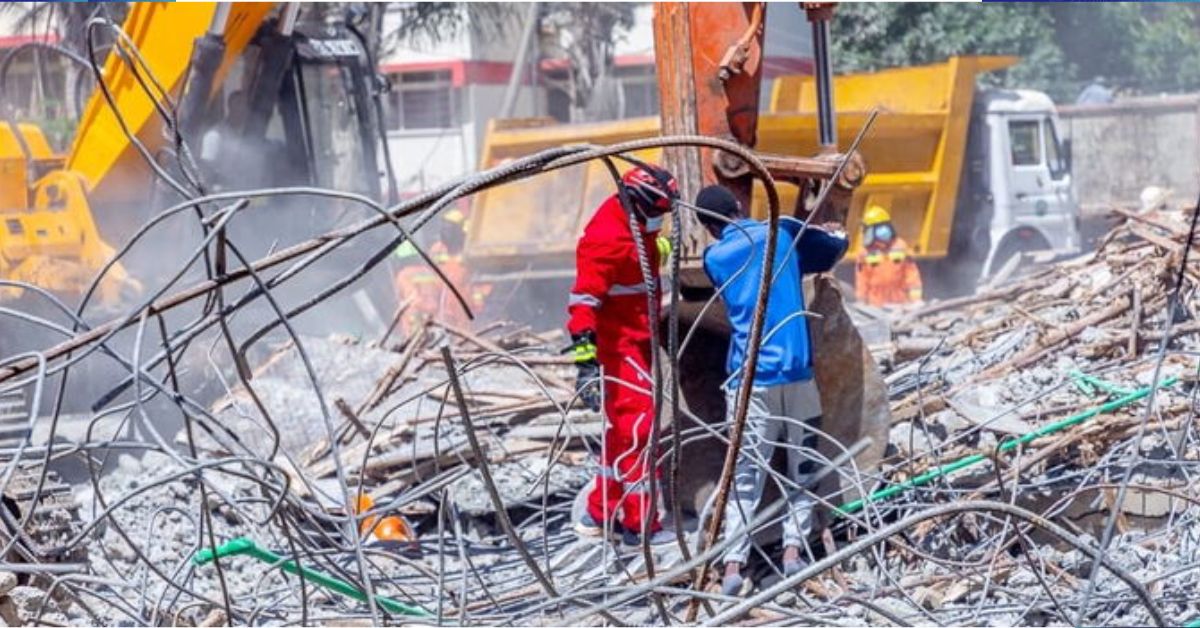
MoH Warns of Building Collapses as Long Rains Increase Risk of Structural Failures
In a statement released on Friday, Principal Secretary Mary Muthoni cautioned that prolonged heavy rainfall can significantly weaken structural foundations, erode supporting soil, and compromise the stability of roads, bridges, and buildings.
“The Ministry of Health urges all Kenyans to remain vigilant during the ongoing MAM long rains and observe safety measures to reduce injuries and loss of life associated with collapsing structures,” the advisory stated.
Authorities warned that water infiltration can cause soil saturation and ground movement, particularly in urban areas where drainage systems are often overwhelmed. Older buildings, unfinished structures, and those constructed without strict adherence to building codes are considered especially vulnerable

Landlords and property owners were urged to conduct immediate safety inspections and undertake urgent repairs where necessary to reinforce weakened structures.
Developers have also been cautioned against initiating construction on unstable terrain, including steep slopes, flood-prone zones, and riparian land, which are highly susceptible to landslides and ground failure during sustained rainfall.
“Such areas are particularly vulnerable to landslides and structural damage during heavy rains, significantly increasing the likelihood of collapse,” the ministry warned.
The advisory further encouraged residents to promptly report dangerous structures, damaged infrastructure, or emerging hazards to local authorities to allow emergency teams to intervene before disasters occur.
In the event of a collapse, the public has been instructed to evacuate immediately and maintain a safe distance to avoid injury from falling debris or secondary structural failure, which can occur minutes or hours after the initial incident.
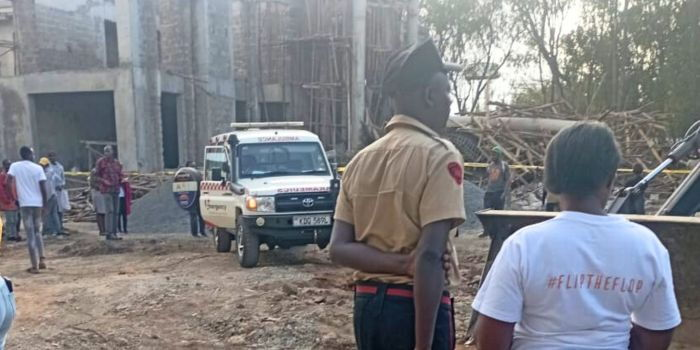
On February 11, at least six people were injured when a building under construction collapsed at the junction of Racecourse and Kirinyaga Road in the central business district, prompting emergency rescue operations.
Earlier in January, a multi-storey building under construction in the South C estate’s Shopping Centre area collapsed, killing at least two people and triggering panic among residents and passersby.
Experts say heavy rainfall can accelerate structural failure by undermining foundation support, increasing hydrostatic pressure on walls, and causing corrosion of reinforcing materials.
Urban planners have long warned that rapid population growth and informal construction practices in major cities have increased exposure to such disasters.
Public health officials stressed that preventing structural collapses is not only a matter of engineering but also a critical safety issue requiring vigilance from property owners, tenants, and authorities alike.
“Timely inspections, maintenance, and strict adherence to safety guidelines can save lives during this high-risk period,” the ministry emphasized.
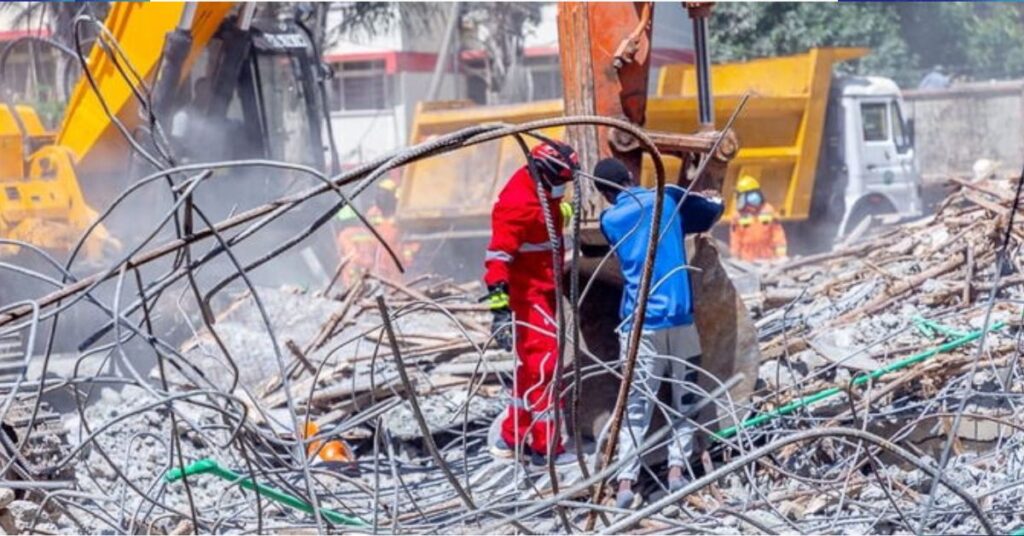
As the long rains continue, authorities are urging Kenyans to prioritize safety, remain alert to warning signs, and cooperate with disaster preparedness efforts to minimize loss of life and property.
The advisory underscores the broader impact of extreme weather events, highlighting the urgent need for resilient infrastructure capable of withstanding increasingly unpredictable climate patterns.
ALSO READ: Ruto Approves Creation of Railway Development Levy Fund to Accelerate Securitisation
MoH Warns of Building Collapses as Long Rains Increase Risk of Structural Failures

1 Comment
Pingback: El Niño Could Displace One Million Kenyans, Report Warns - Daily Mirror