



Kalonzo Supports Gachagua’s Claims on Leadership and Underdevelopment in North-Eastern Kenya
Wiper Party leader Kalonzo Musyoka has entered the growing national debate on underdevelopment in North-Eastern Kenya, publicly backing claims made by former Deputy President Rigathi Gachagua that poor leadership has undermined the region’s progress despite years of devolution funding.
In a statement shared on X on January 24, Kalonzo expressed concern that North-Eastern Kenya continues to lag behind in development more than a decade after the introduction of devolution, arguing that the problem lies not in funding shortages but in leadership priorities.
“I want to commend Honourable Rigathi for bringing out this issue. It is extremely sad that Northern Kenya continues to lag behind thirteen years after devolution, not because of a lack of resources, but because of the decisions their leaders have decided to make,” Kalonzo said.
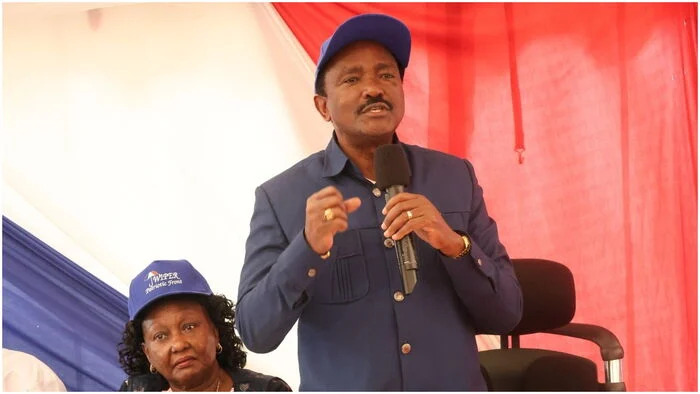
The former vice president accused some leaders from the region of diverting public resources meant for local development into personal investments, particularly in Nairobi’s high-end real estate sector. He lamented that while counties continue to receive substantial allocations, residents remain without adequate schools, hospitals, and basic infrastructure.
Kalonzo’s remarks echo statements made earlier by Gachagua, who sparked controversy by alleging that counties in North-Eastern Kenya have received close to Ksh1 trillion in development and equalisation funds since the advent of devolution in 2010. Gachagua claimed that despite the massive allocations, visible development on the ground remains limited.

The DCP leader further accused leaders from Garissa, Wajir, and Mandera of living lavish lifestyles in affluent Nairobi neighbourhoods such as Eastleigh, South C, and Kilimani, while communities back home grapple with poor roads, understaffed hospitals, and dilapidated schools.
Kalonzo supported this line of argument, saying communities in the region have been abandoned and left in poverty and hopelessness as leaders prioritise personal enrichment. He added that the failure to reinvest resources locally has deepened inequality and perpetuated marginalisation.
“You find leaders building skyscrapers in Nairobi as their people walk kilometres for water and healthcare,” Gachagua had said during a recent address, remarks that drew sharp reactions across the political divide.
However, the claims have been met with strong opposition from leaders and professionals from the region. Health Cabinet Secretary Aden Duale condemned the statements as offensive and unfair, arguing that they unfairly stereotype the Somali community and ignore historical and structural challenges facing the region.
Mandera Senator Ali Roba went further, calling for Gachagua’s arrest over remarks he claimed were dangerous to national security, particularly allegations that leaders were negotiating with extremist groups. Roba dismissed the claims as unfounded and reckless.

Minority Leader Junet Mohamed also criticised Gachagua, accusing him of promoting tribal profiling and collective punishment rather than offering constructive solutions. He called for accountability through institutions and audits, rather than public shaming of entire communities.
The controversy has also spilled into the media space. On January 22, journalists from the Northern Kenya Media Practitioners group withdrew from a planned roundtable interview with Gachagua, citing concerns over responsible journalism and national cohesion.
Amid the backlash, Kalonzo sought to position himself and the United Opposition as champions of inclusive development, promising a different approach if they assume power.
“We will ensure that devolution works for you, that public resources are invested where they belong, and that no region is left behind,” Kalonzo pledged.
The debate has reignited broader questions about the effectiveness of devolution, leadership accountability, and equitable development, with North-Eastern Kenya once again at the centre of a national political conversation.
ALSO READ: CS Mbadi Fires Seth Panyako From Provident Fund Board
Kalonzo Supports Gachagua’s Claims on Leadership and Underdevelopment in North-Eastern Kenya
