



Germany Injects KSh150 Million Into East Africa’s Ebola Fight as Region Intensifies Preparedness Measures
The funding, announced through the East African Community (EAC), is expected to enhance the region’s capacity to detect, monitor, and respond to Ebola cases amid growing concerns over the spread of the deadly virus in neighboring countries.
According to the EAC Secretariat, the financial support from Germany’s Development Bank (KfW) will be used to deploy additional mobile laboratories, procure critical diagnostic supplies, and train laboratory personnel responsible for identifying and managing suspected Ebola infections.
The commitment was disclosed during the 8th Extraordinary Meeting of EAC Ministers of Health, held virtually from June 1 to June 2, where health officials from member states met to assess the evolving outbreak and coordinate a unified regional response.
“The meeting further considered resource mobilization efforts to support the Ebola response. Ministers welcomed a commitment by Germany’s Development Bank (KfW) to reallocate €1 million to support the deployment of mobile laboratories, procurement of diagnostic supplies, and training of laboratory personnel,” the EAC said in a statement.
The emergency meeting was convened amid mounting concern over the spread of Ebola in parts of East and Central Africa, particularly in the Democratic Republic of Congo (DRC) and Uganda, where health authorities continue to battle new infections.
Regional leaders warned that increased movement of people across borders presents a significant risk of transmission, making coordinated preparedness efforts critical.
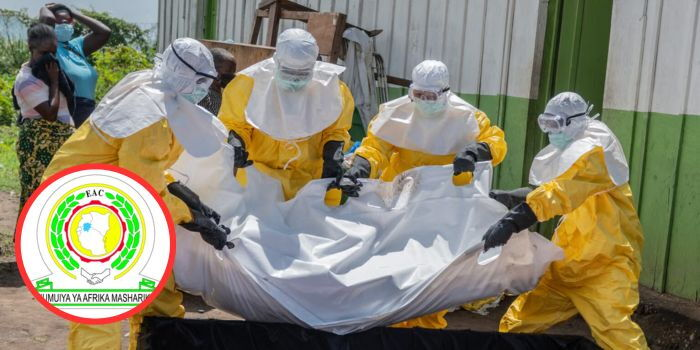
As of June 4, health data presented during the meeting showed that the DRC had recorded 121 confirmed Ebola cases and 1,077 suspected infections.
The outbreak has also resulted in 246 deaths among suspected cases, highlighting the devastating impact of the disease on affected communities.
Kenya, which has not reported any confirmed Ebola cases, remains on high alert due to its strategic position as a regional transport and trade hub.
The country is among EAC member states that have already benefited from German-supported mobile laboratory initiatives designed to facilitate rapid testing and early detection of highly infectious diseases.
The laboratories were supplied under the EAC Regional Network of Reference Laboratories Project and were developed with technical support from the Bernhard Nocht Institute for Tropical Medicine.
Currently, ten mobile laboratories are operational across the region, serving countries including the DRC, Uganda, Kenya, Rwanda, Burundi, South Sudan, and Tanzania.
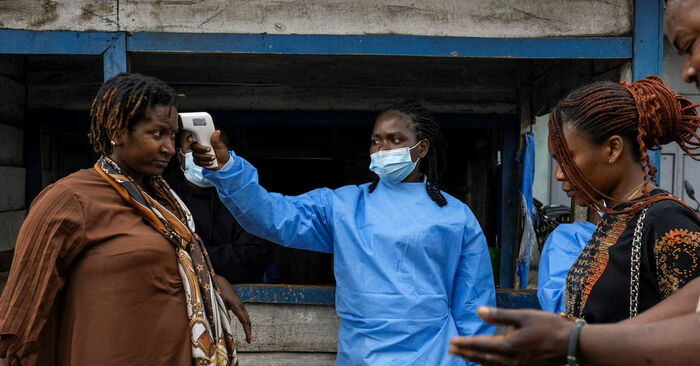
Health experts say the facilities have significantly improved response times by bringing diagnostic services closer to potential outbreak zones.
The facilities are intended to support screening, isolation, and management of suspected Ebola cases should the disease cross into Kenya.
Some of the designated centres include Kenyatta National Hospital in Nairobi, Moi Teaching and Referral Hospital in Eldoret, Alupe Sub-County Hospital in Busia, and several other strategically located health facilities.
Actual laboratory testing, however, is conducted through specialized Biosafety Level Three laboratories operated by the Kenya Medical Research Institute (KEMRI) and the National Public Health Laboratory.
The latest funding announcement comes amid ongoing debate surrounding Kenya’s plan to host a U.S.-backed Ebola quarantine facility at Laikipia Air Base.
Meanwhile, EAC Health Ministers have directed the Secretariat to accelerate the procurement and deployment of additional containerized laboratories to strengthen surveillance and close existing testing gaps.

For Kenya and its neighbors, the latest German funding represents both a timely intervention and a reminder that preparedness remains the strongest defense against one of the world’s deadliest infectious diseases.
ALSO READ: Education Ministry Rules Out Early School Closure Despite Rising Cases of Student Unrest
Germany Injects KSh150 Million Into East Africa’s Ebola Fight as Region Intensifies Preparedness Measures
