


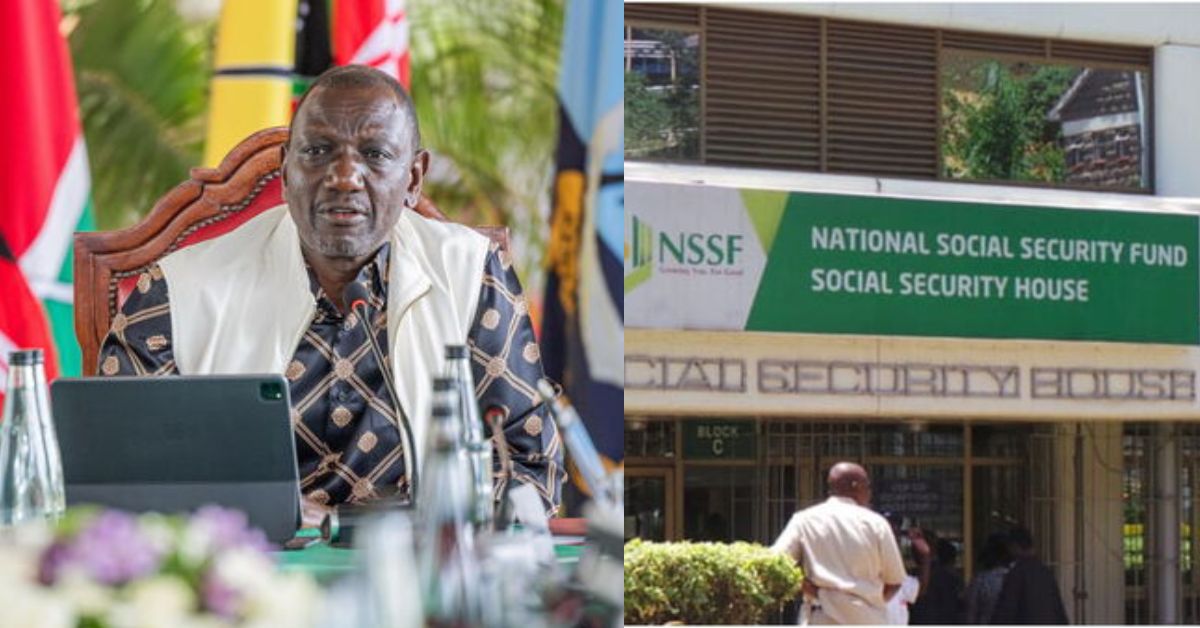
Court Rejects NSSF Bid to Revive 2013 Act, Dealing Blow to Higher Contributions
In a ruling delivered on May 29, 2026, a three-judge bench dismissed an application by the National Social Security Fund seeking interim orders to revive the controversial law while its substantive appeal is being heard and determined.
The decision means that the earlier judgment invalidating the NSSF Act, 2013 remains in force for now, raising fresh questions about the future of enhanced pension contributions that have been deducted from employees and employers under the law.
NSSF had moved to the Court of Appeal seeking orders to suspend the decision of the Employment and Labour Relations Court (ELRC), arguing that failure to do so could create uncertainty within the pension sector and negatively affect millions of contributors.
The Fund maintained that the invalidation of the law threatened critical pension programs, including the Haba na Haba savings scheme, while potentially exposing pension assets worth billions of shillings to administrative and legal complications.

Kenya County Government Workers Union
NSSF further argued that the appeal raised serious legal questions that deserved consideration by the appellate court, particularly regarding whether the Senate should have participated in the enactment of the legislation.
However, while the judges acknowledged that the appeal raised legitimate legal issues, they emphasized that raising an arguable appeal alone was not enough to justify granting a stay order.
The court found that NSSF had failed to meet that legal threshold.
In their analysis, the judges observed that the Fund had not provided sufficient evidence to support claims that the pension sector would suffer immediate or irreparable harm if the law remained suspended pending the hearing of the appeal.
The court further observed that pension contributions had historically been collected under the previous legal framework for many years before the enactment of the 2013 law without evidence of systemic collapse or governance challenges.
As a result, the judges concluded that the Fund’s concerns, while important, had not been substantiated to the level required for the court to intervene through interim orders.
The decision was welcomed by former Law Society of Kenya President Faith Odhiambo, who described it as an important affirmation of constitutional governance and judicial accountability.

“The Court of Appeal has dismissed NSSF’s application to suspend the ELRC judgment that declared the NSSF Act, 2013, unconstitutional. In simple terms, the Court has refused to revive an invalid law through interim orders,” Odhiambo stated.
She further explained that the judges had applied well-established legal principles governing applications for stay orders.
“The judges reaffirmed the well-known Rule 5(2)(b) test, which states that an applicant must show both an arguable appeal and that, without a stay, the appeal would be rendered nugatory,” she added.
Labour experts say the ruling is likely to generate renewed debate over pension reforms, workers’ welfare, and the balance between expanding retirement savings and protecting employees from increased statutory deductions.
Supporters of the 2013 Act argue that higher contributions are necessary to guarantee better retirement benefits for Kenyan workers, while critics maintain that the increased deductions place additional financial pressure on employees already grappling with rising living costs.
The ruling now leaves intact the earlier declaration that the NSSF Act, 2013 is unconstitutional, pending the full hearing and determination of NSSF’s appeal.
For employers, workers, and pension administrators, attention will now shift to the substantive appeal, which is expected to determine the long-term future of Kenya’s pension contribution framework and the legality of one of the country’s most significant social security reforms.Thousands of salaried Kenyans have received temporary relief after the Court of Appeal declined to suspend a judgment that declared the National Social Security Fund (NSSF) Act, 2013 unconstitutional, dealing a significant setback to efforts aimed at sustaining higher monthly pension deductions.
The decision means that the earlier judgment invalidating the NSSF Act, 2013 remains in force for now, raising fresh questions about the future of enhanced pension contributions that have been deducted from employees and employers under the law.
The ruling marks the latest chapter in a long-running legal battle surrounding the implementation of the NSSF Act, 2013, which significantly increased pension contributions from workers and employers as part of efforts to strengthen retirement savings and expand social protection coverage.
NSSF had moved to the Court of Appeal seeking orders to suspend the decision of the Employment and Labour Relations Court (ELRC), arguing that failure to do so could create uncertainty within the pension sector and negatively affect millions of contributors.

NSSF further argued that the appeal raised serious legal questions that deserved consideration by the appellate court, particularly regarding whether the Senate should have participated in the enactment of the legislation.
However, while the judges acknowledged that the appeal raised legitimate legal issues, they emphasized that raising an arguable appeal alone was not enough to justify granting a stay order.
ALSO READ: CS Ruku Orders State Agencies to Adopt New HRIS System or Risk Salary Payments Freeze
Court Rejects NSSF Bid to Revive 2013 Act, Dealing Blow to Higher Contributions
