


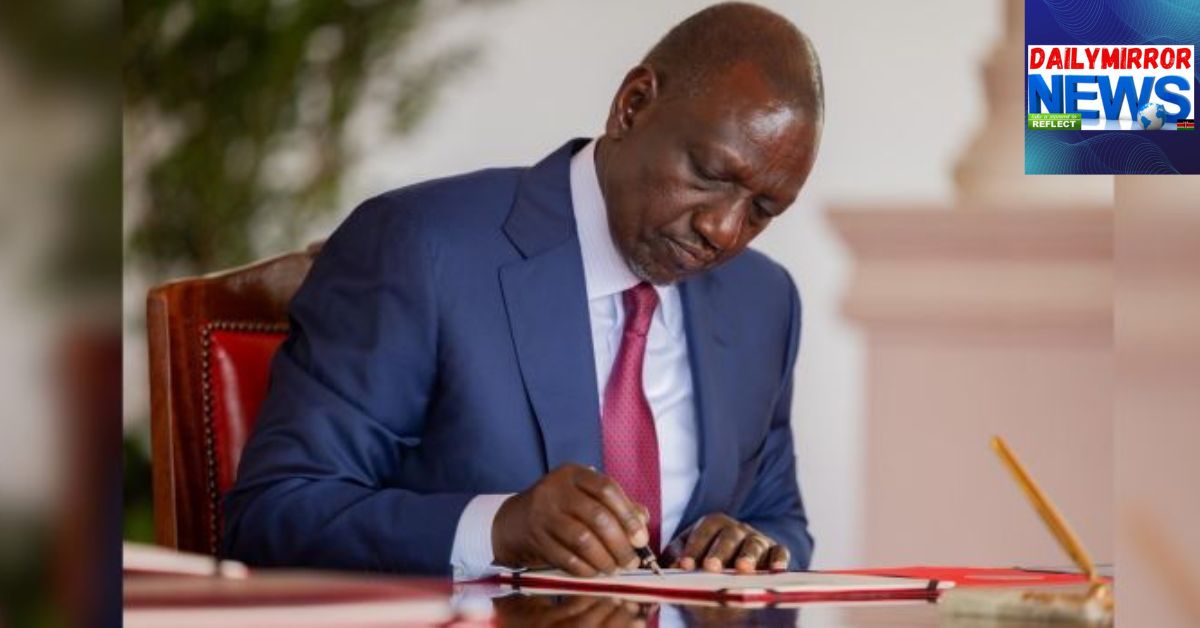
Explained: Why Ruto’s 12% Salary Increase Is Not Immediately Enforceable
The announcement, made during national celebrations attended by labour leaders and government officials, signalled a major policy direction aimed at improving workers’ welfare amid rising living costs. Many employees had expected the changes to take effect as early as the next pay cycle, but experts and labour stakeholders have since clarified that the process is more complex.
At its core, the President’s declaration represents intent rather than an enforceable directive, meaning it does not automatically compel employers to adjust salaries. In Kenya’s labour framework, wage changes must undergo a formal legal process before becoming binding.
To begin with, the proposed wage increase must be formalised through official channels, including publication in the Kenya Gazette. This step transforms the policy announcement into a recognised legal instrument. Without gazettement, the directive remains advisory and cannot be enforced across public or private sectors.
Labour stakeholders emphasised this stage, noting, “Unions and employers must agree on how and where the 12 per cent is applied including whether it affects basic pay, allowances, or both.” The outcome of these negotiations will shape how the increase is reflected across different sectors and job categories.
Once consensus is reached, employers will then be required to operationalise the changes within their payroll systems. This may involve revising employment contracts, updating salary structures, and adjusting payslips to reflect the new wage levels. Only after these steps are completed will workers begin to receive the increased earnings.
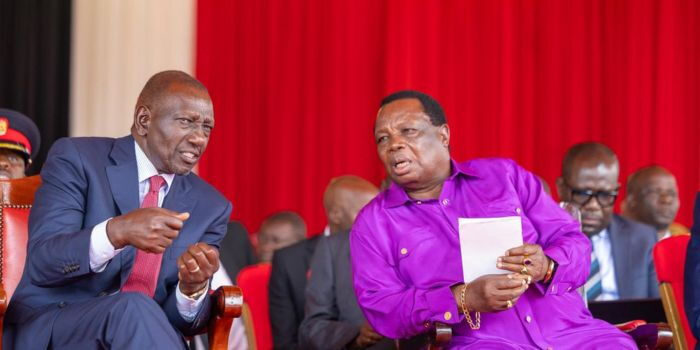
The clarification comes amid growing public excitement and some confusion over the nature of the announcement. Over the weekend, Francis Atwoli, Secretary General of the Central Organisation of Trade Unions (COTU), sought to address misconceptions surrounding the directive.

Atwoli underscored the scope of the policy, stating, “The President was clear. This is a general wage increase for all Kenyan workers. It is not restricted to minimum wage earners as some employers are suggesting.” His remarks clarified that the increment is broader than a minimum wage adjustment and is intended to benefit a wide range of workers.
Analysts note that while the wage increase signals a positive shift in government policy, its success will largely depend on how smoothly the implementation process unfolds. Delays in gazettement, prolonged negotiations, or resistance from employers could affect the timeline for actual rollout.
At the same time, employers have expressed concerns about the potential financial impact of the increase, particularly for small and medium-sized enterprises still recovering from economic pressures. These concerns are expected to feature prominently during the negotiation phase.
For now, workers are being advised to remain patient as the process unfolds. While the announcement marks a significant step toward improved earnings, the legal and administrative journey required to enforce it means that the benefits will only be realised once all statutory procedures have been completed.
ALSO READ: Kang’ata Dismisses DCP Defection Claims, Says UDA Losing Grip in Mt Kenya
Explained: Why Ruto’s 12% Salary Increase Is Not Immediately Enforceable
