



WMO Gives Nearly 100% Chance of El Niño Persisting Into February 2027
The latest forecast places the probability at nearly 100%, a significant increase from the 80% likelihood previously issued by the global weather agency.
The warning comes as countries across Africa and other vulnerable regions prepare for possible extreme weather linked to the strengthening climate phenomenon.
“Forecasts from WMO’s Global Producing Centres indicate an ‘exceptionally high likelihood of nearly 100% that El Niño will persist through to February 2027,” the WMO stated.
The latest assessment represents a sharp increase from earlier forecasts, which had placed the likelihood of El Niño conditions developing at about 80% during the preceding months.
El Niño raises extreme weather concerns
El Niño is a recurring climate pattern associated with unusually warm ocean temperatures in the central and eastern tropical Pacific.
Its effects can extend far beyond the Pacific region, influencing rainfall patterns, temperatures and the frequency or intensity of extreme weather events in different parts of the world.
United Nations Secretary-General António Guterres has previously warned that rising global temperatures are increasing the risks associated with extreme weather.
“El Niño is being supersized before our eyes. The science leaves no room for doubt: the planet is in uncharted waters, and those waters are heating up.”
WMO Secretary-General Celeste Saulo has also warned that the increasing intensity of climate-related events could place additional pressure on vulnerable communities and economies.
Kenya faces El Niño rainfall concerns
Kenya is among the countries closely monitoring the developing weather situation, particularly because of the potential impact on rainfall patterns across the Greater Horn of Africa.
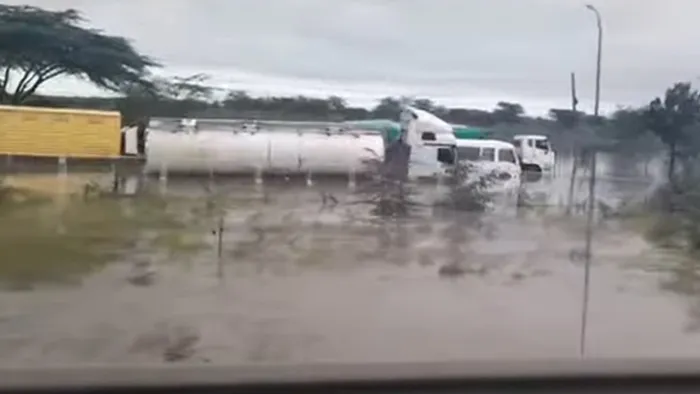
The anticipated rains have raised concerns over flooding, infrastructure damage, disruption of transport and displacement, particularly in areas already vulnerable to extreme weather.

A report by the Danish Refugee Council has warned that as many as 1.03 million Kenyans could potentially be displaced by El Niño-related rains, highlighting the scale of the humanitarian risks if severe flooding occurs.
However, the actual impact will depend on the intensity and geographical distribution of rainfall, as well as the preparedness of national and local authorities.
For Kenya, farmers, businesses and households in flood-prone areas are likely to remain particularly attentive to official weather updates as the October-December rainfall season approaches.

The forecast does not mean every region will experience extreme weather, but it signals a prolonged period of heightened climate risk requiring close monitoring and early preparation.
ALSO READ: WMO Gives Nearly 100% Chance of El Niño Persisting Into February 2027
WMO Gives Nearly 100% Chance of El Niño Persisting Into February 2027
