


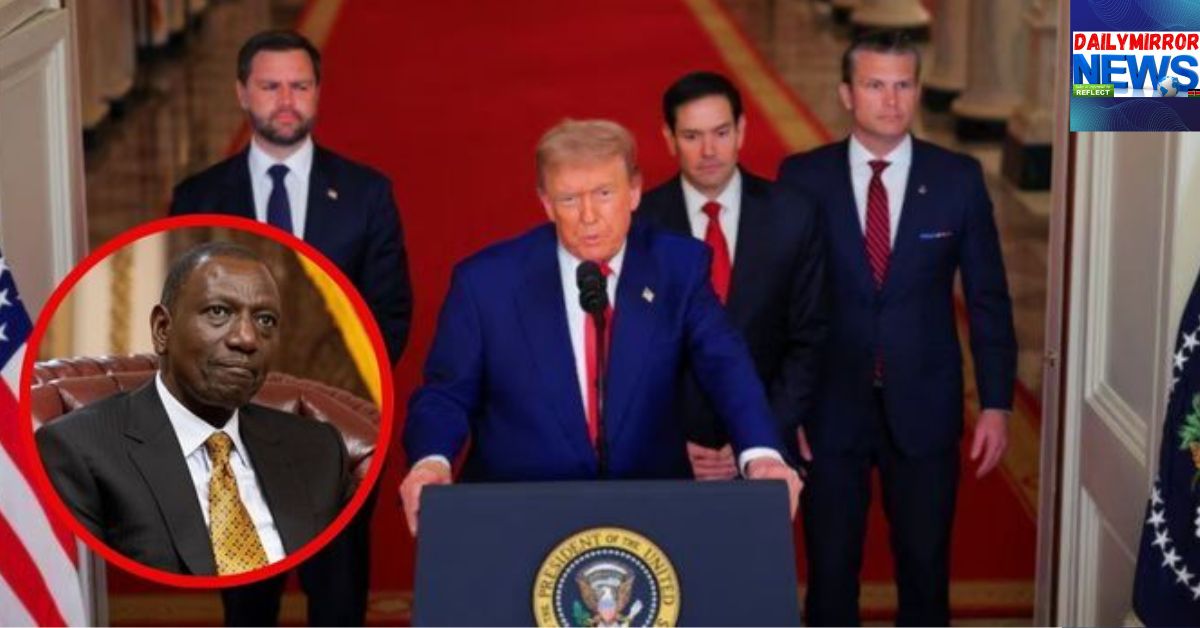
U.S. Meat Exporters Urge Trump Administration to Pressure Kenya Over ‘Restrictive’ Trade Rules
The concerns were formally raised by the U.S. Meat Export Federation (USMEF) during submissions made to U.S. Trade Representative Jeffrey Goettman as part of the ongoing review of the African Growth and Opportunity Act (AGOA), a key trade programme that grants eligible African countries duty-free access to the American market.
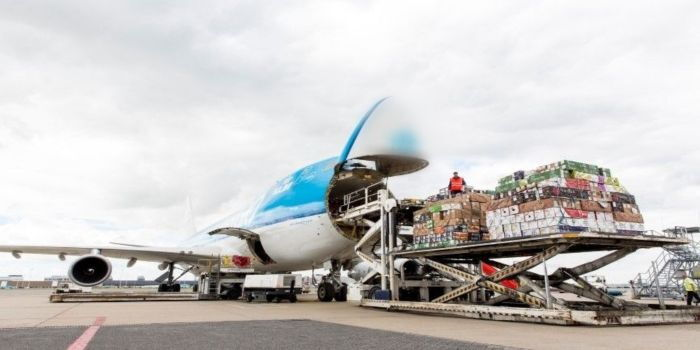
In its submission dated June 10, USMEF identified Kenya among several African nations whose trade policies allegedly create obstacles for U.S. exporters despite benefiting from favorable trade arrangements with Washington.
Concerns Over Non-Tariff Trade Barriers
According to the American trade body, Kenya remains officially open to imports of U.S. red meat products. However, exporters claim actual trade volumes remain low because of what they term as burdensome non-tariff barriers.
“Non-tariff barriers include Kenya’s burdensome import license system, restrictions on the transhipment of products, a lack of clarity on import veterinary medicine residue and microbiological standards,” the federation stated in its submission.
Trade analysts note that non-tariff barriers have increasingly become a major point of contention in international commerce, as countries seek to balance public health, food safety, and domestic industry protection while maintaining compliance with global trade obligations.
U.S. Exporters Raise Concerns Over Pork Imports
One of the strongest complaints raised by USMEF relates to Kenya’s import requirements for pork products.
According to the federation, Kenya’s requirement for a Letter of Non-Compete effectively limits the entry of American pork into the local market.
The document reportedly requires importers to obtain approval from domestic industry stakeholders before imported pork products can be shipped into the country.
American exporters argue that the requirement places foreign suppliers at a competitive disadvantage and restricts market access.
“Potential for U.S. pork exports to Kenya exists, particularly for hearts and livers. Unfortunately, Kenya effectively bans U.S. pork by maintaining a requirement for a Letter of Non-Compete,” USMEF claimed.
Import Duties Also Under Scrutiny
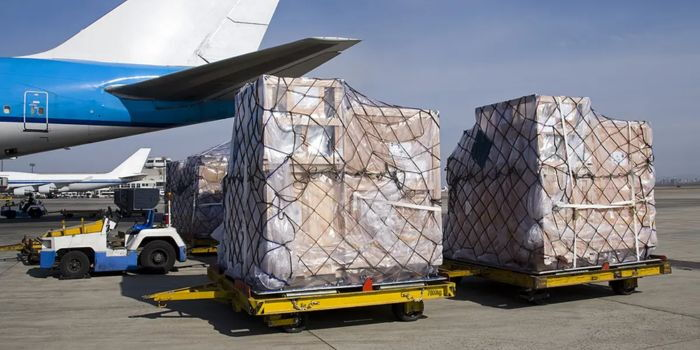
Beyond regulatory concerns, the exporters also criticized Kenya’s import tariff structure, particularly duties imposed on beef and pork products.
According to the federation, the taxes significantly increase the cost of American products, making them less competitive compared to locally produced meat and imports from other markets.
“Kenya’s import duties on beef and pork products are also trade-prohibitive and must be addressed if U.S. red meat is to have meaningful opportunities in the market,” the federation added.
AGOA Review Could Shape Future Trade Talks
The submission forms part of a broader review process under AGOA, a programme that has played a significant role in strengthening trade relations between the United States and African countries for more than two decades.
USMEF is now urging the U.S. government to use the AGOA review process and future bilateral trade discussions to encourage African countries, including Kenya, to remove barriers that American exporters consider restrictive.
With AGOA remaining a cornerstone of U.S.-Africa trade relations, the concerns raised by American meat exporters could become a key issue in future negotiations between Nairobi and Washington, particularly as both countries seek to expand investment and commercial partnerships in the years ahead.
U.S. Meat Exporters Urge Trump Administration to Pressure Kenya Over ‘Restrictive’ Trade Rules
