The raid, conducted in the Gikambura area, uncovered over one tonne of suspected zebra meat, including a skinned carcass and assorted processed portions stored at a residential premises. Officers also seized tools and equipment believed to have been used in the illicit trade, alongside a vehicle suspected to have been used for transporting the meat.
“The suspects were found in possession of large quantities of zebra meat, which is prohibited under Kenyan law. Investigations are ongoing to establish the full extent of the network behind this trade,” a KWS officer confirmed.
A sack containing Zebra meat was recovered from an apartment in Gikambura, Kikuyu town, on February 25, 2026.
The law strictly prohibits hunting, killing, or possession of wildlife without a permit. Section 98 of the Wildlife Act stipulates that dealing in, transporting, or purchasing wildlife meat or carcasses carries a minimum three-year jail term with no fine option. General purchasing is punishable by a fine of up to KSh1 million or 12 months in prison. Holding wildlife trophies without a permit attracts a penalty of at least KSh1 million or a minimum of five years imprisonment.
“These laws are designed to protect Kenya’s biodiversity and ensure public health safety. Violators will face the full force of the law,” the Interior Ministry noted in a statement.
Freshly slaughtered meat hangs at an abattoir in Njiru, Nairobi County. P
Cases of people found in possession of game meat are rare but have drawn severe penalties when prosecuted. In 2021, three men were sentenced to 10 years in prison and fined KSh2.2 million each after being found with 595 kilograms of bushmeat, including dik-diks and gerenuks.
In Nyahururu, a 23-year-old man was sentenced to 11 years imprisonment or a KSh2.2 million fine in 2019 after being found with 200 kilograms of zebra meat.
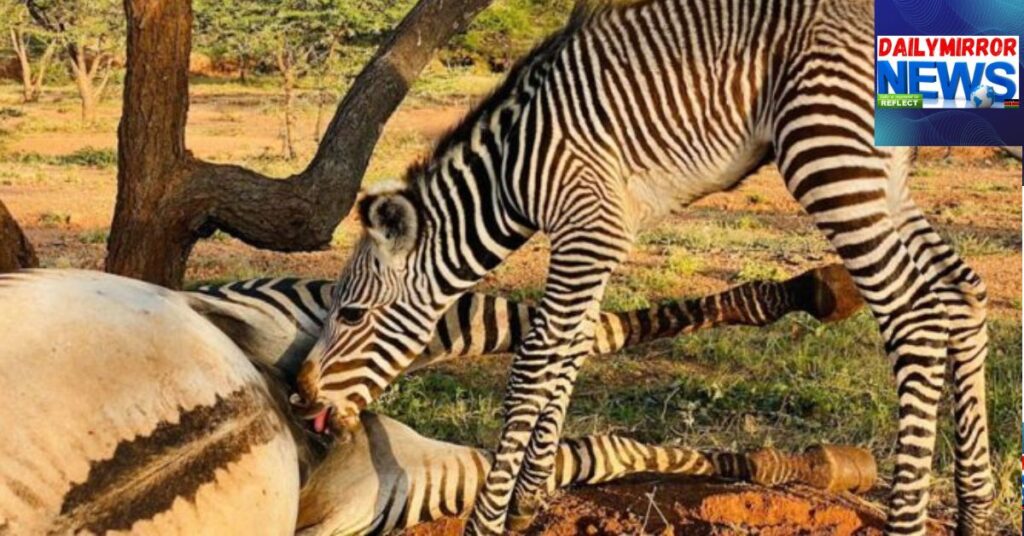
A photo of the infant zebra suckling on mother’s carcass in Samburu on January 23
“We urge the public to remain vigilant and report any suspicious activities involving wildlife products. Protecting our natural heritage is a collective responsibility,” KWS emphasized.