


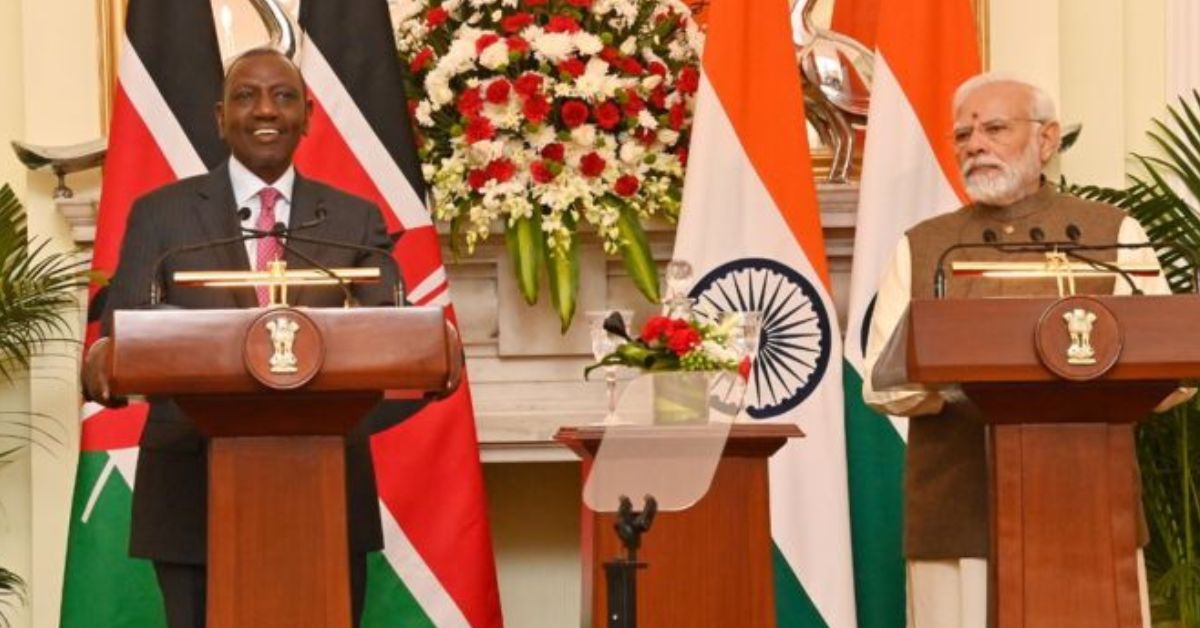
Kenya, India Agree New Trade Pact to Ease Goods Flow in Ksh282 Billion Market
The Memorandum of Understanding (MoU), signed on April 27, brings together the Kenya Revenue Authority (KRA) and India’s Central Board of Indirect Taxes and Customs (CBIC), establishing a framework for the exchange of pre-arrival cargo information to enhance trade facilitation and risk management.
The agreement was formalised during the 10th Joint Trade Committee meeting held in Nairobi, co-chaired by India’s Commerce Secretary Rajesh Agrawal and Kenya’s Principal Secretary for Trade Regina Akoth Ombam.
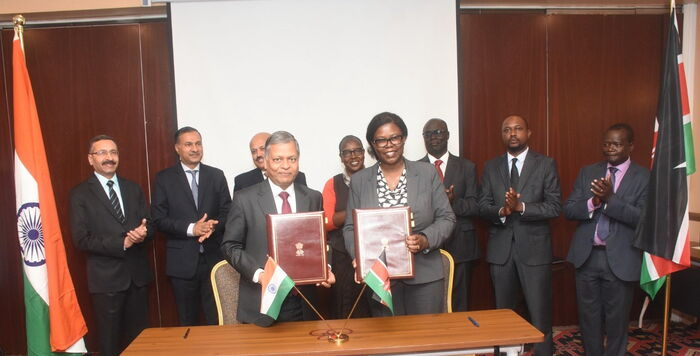
KRA Commissioner General Dr Lilian Nyawanda signed on behalf of Kenya, while CBIC Member Yogendra Garg represented India in sealing the agreement.
At the heart of the pact is the introduction of a pre-arrival information system, which will allow customs authorities in both countries to access shipment data before goods reach their ports of entry. This system is expected to significantly reduce clearance times and improve the detection of high-risk consignments.
“The MoU will fundamentally change how the two tax authorities share intelligence, enabling officials to assess cargo risks well before shipments reach Kenyan or Indian borders,” Nyawanda said during the signing ceremony.
The agreement also addresses long-standing trade bottlenecks, including tariff and non-tariff barriers that have historically slowed the flow of goods between Nairobi and New Delhi. Both sides committed to establishing institutional mechanisms to resolve disputes and promote direct engagement between businesses.
“The agreement will enhance customs cooperation, enable faster clearances, improve risk management, and facilitate smoother bilateral trade between India and Kenya,” read a joint statement released after the meeting.
Kenya and India share a robust economic relationship, with total trade volumes reaching approximately Ksh282.28 billion as of 2025. India remains one of Kenya’s largest trading partners in Asia, importing key products such as tea and agricultural commodities, while exporting pharmaceuticals, machinery, and refined petroleum products.
Beyond customs cooperation, the discussions extended into strategic sectors including agriculture, pharmaceuticals, renewable energy, digital infrastructure, fintech, and manufacturing. These areas are expected to benefit from improved trade logistics and policy alignment under the new framework.
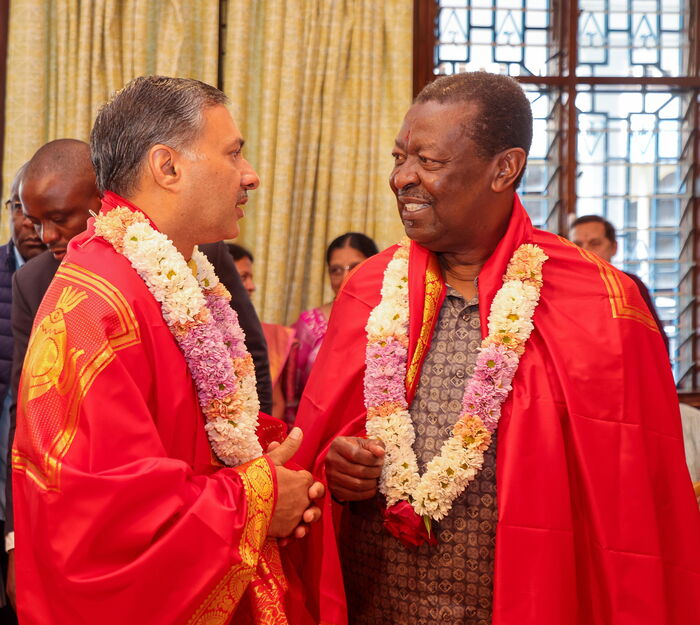
“Perhaps it’s time that Kenya and India went a notch higher and discuss a free trade agreement,” Mudavadi said earlier in April, underscoring the ambition to expand bilateral cooperation.
Analysts note that the customs agreement comes at a time when global supply chains are increasingly under pressure, making efficient trade systems more critical than ever. By enabling early data exchange and coordinated risk assessment, the pact is expected to position both countries as more competitive players in international trade.
For Kenya, the agreement aligns with broader efforts to modernise customs operations and attract foreign investment by reducing logistical delays. For India, it strengthens its foothold in East Africa, a region of growing economic importance.
As implementation begins, stakeholders will be watching closely to assess how quickly the new system translates into tangible benefits for traders, manufacturers, and consumers on both sides
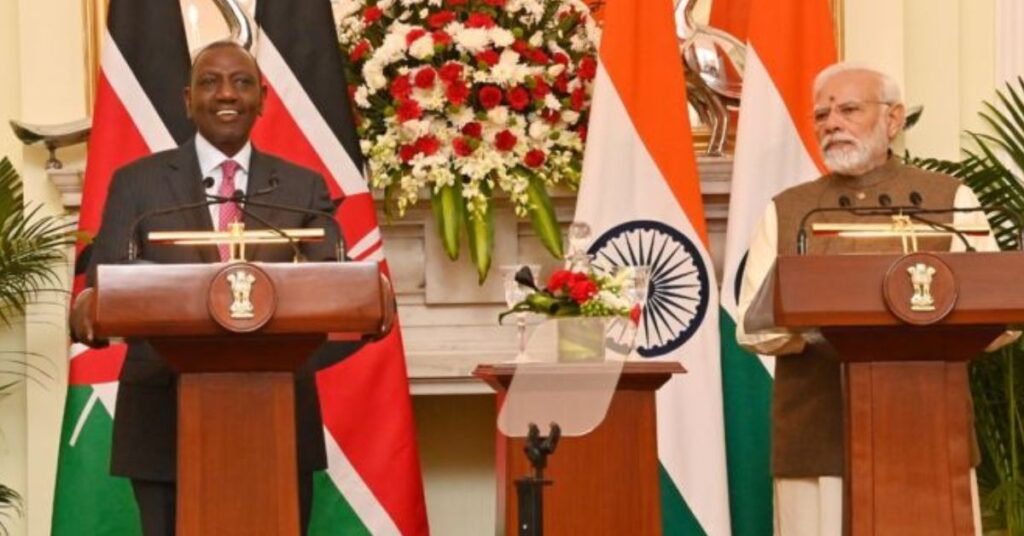
The MoU marks a significant step in Kenya-India relations, with both nations signalling readiness to deepen economic cooperation and unlock new opportunities within an already thriving trade partnership.
ALSO READ: CS Murkomen, IG Kanja Jet to Haiti as Drawdown of Kenyan Officers Concludes
Kenya, India Agree New Trade Pact to Ease Goods Flow in Ksh282 Billion Market
