



KRA to Launch Real-Time Business Transaction Monitoring System From July 1 in Major Tax Compliance Drive
According to Mbadi, the reforms will enable KRA to track transactions as they occur, providing authorities with greater visibility into business operations while simplifying compliance procedures for taxpayers.
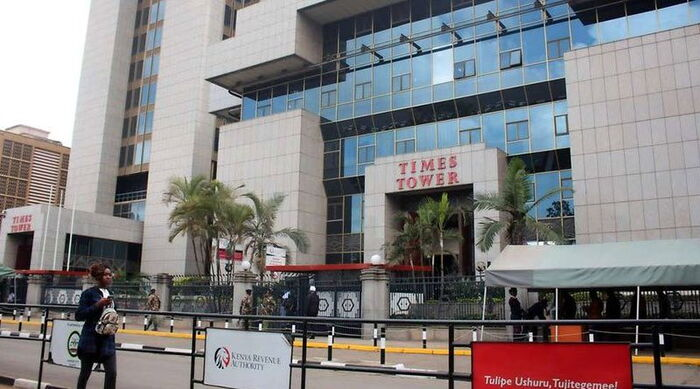
“In the financial year 2026/2027, KRA will intensify reforms to strengthen revenue mobilisation and improve taxpayer experience through the rollout of integrated digital tax administration and revenue monitoring systems,” Mbadi told Parliament.
“These include expanded electronic invoicing, enhanced point of sale integration and the eCustoms mobile application to improve efficiency, compliance and real-time visibility of transactions,” the Treasury CS stated.
Digital Tax Revolution
The new monitoring framework is expected to significantly transform how businesses interact with tax authorities. Through integrated digital platforms, KRA will be able to access transaction data in real time, reducing opportunities for tax evasion and underreporting of income.
Treasury officials say the system is designed not only to increase revenue collection but also to create a fairer business environment by ensuring all taxpayers comply with their obligations equally.
The reforms come at a time when the government is under pressure to increase domestic revenue collection to finance its ambitious Ksh4.8 trillion budget while reducing reliance on borrowing.
eTIMS Expansion Driving Compliance
According to Treasury data, more than 655,000 taxpayers have already been onboarded onto the eTIMS platform.

“Notable progress has been made in expanding eTIMS, with over 655,000 taxpayers now onboarded, significantly enhancing transaction visibility and strengthening VAT compliance,” Mbadi disclosed.
Tax experts have noted that wider adoption of electronic invoicing has already contributed to improved transparency and accountability in the country’s tax system.
Integration of Tax Systems
In addition to real-time monitoring, the government has continued integrating key tax administration platforms to create a unified compliance framework.
The Treasury has also expanded the Rental Income Tax System, which seeks to simplify compliance among landlords while improving tax collection from Kenya’s growing real estate sector.
Officials believe the digital platforms will help close long-standing compliance gaps and broaden the country’s tax base.
Artificial Intelligence to Fight Tax Evasion
The government is also increasingly relying on advanced technologies to strengthen enforcement efforts.
According to Mbadi, KRA has deployed artificial intelligence tools and cargo-scanning technologies to detect illicit trade, identify suspicious transactions, and curb revenue leakages.
“Artificial intelligence and cargo scanning technology are enhancing the detection of illicit trade and reducing revenue leakage,” Mbadi said.
The enhanced compliance measures have already contributed to growth in the number of active taxpayers.
Treasury figures indicate that Kenya’s active taxpayer base increased by approximately 82,000 individuals and businesses, reaching more than 6.6 million taxpayers by March 2026.

What Businesses Should Expect
The government maintains that the reforms are intended to improve taxpayer experience while promoting transparency, efficiency, and accountability in revenue collection.
As Kenya continues its transition toward a fully digital tax administration system, the new real-time transaction monitoring framework is expected to play a central role in shaping the future of tax compliance and revenue mobilisation across the country.
ALSO READ: Treasury Reassures Kenyans on PAYE Tax Relief Plan Despite Omission From Finance Bill 2026
KRA to Launch Real-Time Business Transaction Monitoring System From July 1 in Major Tax Compliance Drive

1 Comment
Pingback: KRA Issues New Stock Records Directive to Businesses Using TIMS, eTIMS - Daily Mirror