



Ruto Unveils Measures to Shield Kenyans from Fuel Crisis
In a statement issued on Monday, March 30, the Head of State revealed that the government had convened a high-level meeting bringing together the Ministries of Energy, Agriculture, and Trade, alongside the National Treasury, the Central Bank of Kenya, and private sector stakeholders to assess the potential economic impact and craft mitigation strategies.
“In light of the evolving geopolitical developments, I received a comprehensive briefing this afternoon from the Ministries of Energy, Agriculture, Trade, the National Treasury, the Central Bank, as well as private sector players, on the situation and possible recommendations on the way forward,” President Ruto said.
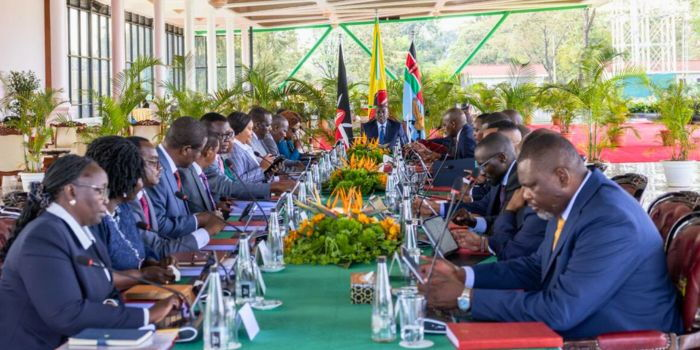
At the centre of the government’s response is the continued implementation of the Government-to-Government (G2G) fuel procurement arrangement. According to the President, the framework has played a critical role in stabilising local pump prices by insulating the country from sudden spikes in international oil markets.
“The Government-to-Government fuel procurement arrangement has cushioned Kenyans from immediate shocks. This strategic intervention has mitigated price increases, ensured security of supply, and proven to be both prudent and forward-looking,” he stated.
Despite the current stability, Ruto acknowledged the unpredictability of the global situation, noting that further interventions could be introduced if the conflict persists and fuel prices continue to rise. He directed the Ministry of Energy and the National Treasury to remain on high alert and prepare additional contingency measures.
“On fertiliser, I wish to assure the nation that no disruptions are expected. We have sufficient supplies to support the current rainy season through to September this year,” he affirmed.
Ruto also highlighted resilience in key sectors of the economy despite initial fears of disruption. The tea industry, one of Kenya’s leading foreign exchange earners, has recorded a six per cent growth, attributed to market diversification and strengthened trade partnerships.
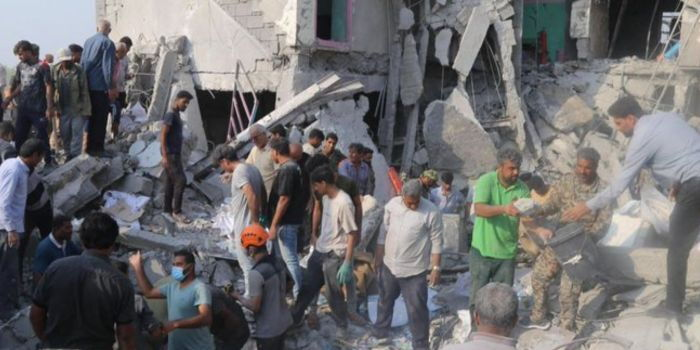
However, the President expressed concern over the meat export sector, which has been adversely affected by logistical and freight challenges arising from the conflict. He noted that the Ministries of Trade and Agriculture are working jointly to explore alternative export routes and support affected businesses.
Economists have warned that prolonged instability in the Middle East could still exert pressure on inflation, particularly through higher fuel and transportation costs, which often ripple across the broader economy.
In his closing remarks, President Ruto reiterated the administration’s commitment to closely monitoring global developments and taking decisive action where necessary.

“We will continue to monitor the situation closely and take the necessary steps to safeguard the economic well-being of every Kenyan,” he said, underscoring the government’s resolve as the Middle East conflict enters its fourth week.
ALSO READ: Kenya, Mozambique Sign Security Deal to Boost Counter-Terrorism Efforts
Ruto Unveils Measures to Shield Kenyans from Fuel Crisis
