


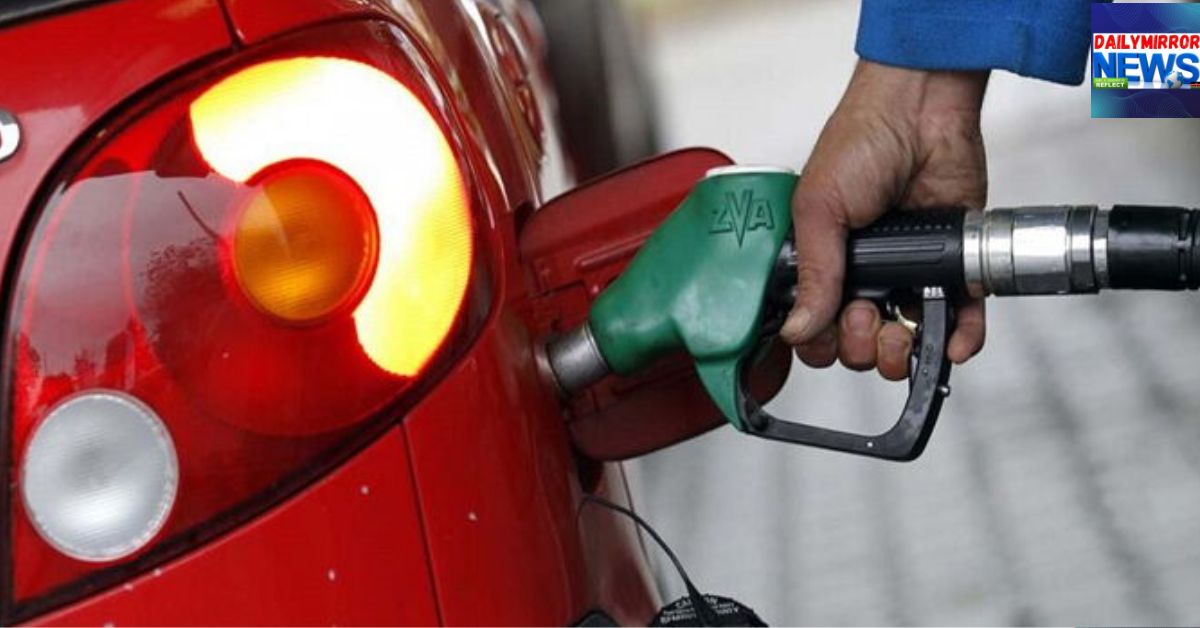
EPRA Catches 23 Petrol Stations Selling Adulterated Fuel
The findings were detailed in EPRA’s Biannual Statistics Report for 2025–2026, which indicates that while the vast majority of outlets complied with regulations, a small but concerning number continued to engage in illegal practices that could damage vehicles and compromise safety.
According to the regulator, extensive testing was carried out at retail stations across the country as part of routine surveillance and enforcement operations.

“The authority conducted 10,598 sample tests at 2,305 petroleum outlets across the country. Out of the tests carried out, 2,282 stations, equivalent to 99 per cent, were found to be compliant. However, 23 stations were non-compliant, and appropriate penalties were imposed as per the relevant legislation,” the report stated.
The affected stations are spread across multiple counties, including Nakuru, Uasin Gishu, Kisumu, Machakos, Makueni, Bungoma, Vihiga, Nyandarua, Kwale, Kilifi, Meru, and Mombasa — highlighting that the problem is not confined to one region but occurs sporadically nationwide.
Fuel adulteration typically involves mixing petrol or diesel with cheaper substances such as kerosene or diverting export-bound products into the local market. The practice not only reduces fuel efficiency but can also cause severe engine damage, increased emissions, and long-term mechanical failures.
To combat the vice, EPRA employs a sophisticated fuel marking system in which trace amounts of biochemical markers are added to petroleum products at depots. These markers allow inspectors to detect tampering, dilution, or illegal diversion during field tests.
In addition to depot-level monitoring, EPRA has deployed mobile laboratories equipped with X-ray fluorescence (XRF) analysers capable of conducting on-site tests within minutes. The portable devices provide near-forensic accuracy, making it increasingly difficult for unscrupulous dealers to evade detection.
Officials say the technology has significantly improved enforcement efficiency, allowing inspectors to conduct surprise checks and obtain immediate results without transporting samples to central laboratories.
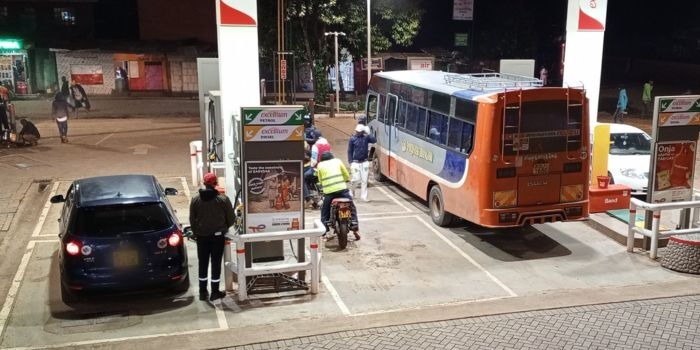
Fuel adulteration has long plagued Kenya’s petroleum sector, with regulators and industry players warning that the practice undermines consumer confidence and distorts fair competition among legitimate businesses.
Despite the violations uncovered, the report paints an overall picture of strong compliance across the sector, with 99 per cent of tested outlets meeting required standards.
Meanwhile, EPRA data shows that Kenya imported more than 5.6 million cubic metres of petroleum products during the review period, with approximately 48 per cent allocated for domestic consumption.
Domestic demand grew by 8.38 per cent to exceed 3.1 million cubic metres, driven largely by increased travel, economic activity, and heightened diesel use, particularly during holiday seasons.
The regulator also reported issuing nearly 9,500 licences between July and December 2025 for activities spanning retail fuel sales, liquefied petroleum gas (LPG) operations, transport, storage, and distribution — an indication of continued expansion in the energy sector.
Consumer groups have welcomed the crackdown but urged authorities to intensify inspections and publicly name offending outlets to deter future violations.
EPRA has not disclosed whether the non-compliant stations will face closures, fines, or licence suspensions, but officials reiterated that enforcement actions have already been initiated in accordance with existing laws.
As fuel consumption continues to rise, regulators warn that maintaining strict oversight will be critical to protecting motorists, ensuring fair market practices, and preserving confidence in the country’s petroleum supply chain.
For millions of Kenyan drivers, the latest findings serve as both reassurance that monitoring is working — and a reminder that vigilance remains essential when purchasing fuel.

ALSO READ: MPs Raise Concerns Over Ruto’s KSh316 Billion Supplementary Budget
EPRA Catches 23 Petrol Stations Selling Adulterated Fuel
