



Kalonzo Leads Opposition Attack on Fuel Price Review, Terms KSh0.22 Petrol Cut ‘An Insult to Kenyans’
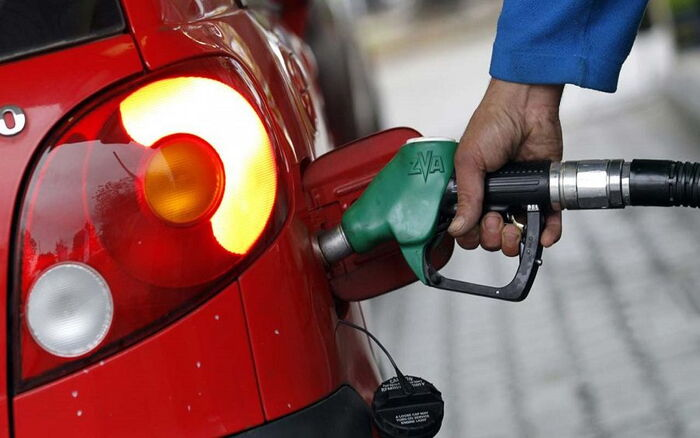
The criticism follows a recent announcement by the Energy and Petroleum Regulatory Authority (EPRA), which reduced the price of Super Petrol by KSh0.22 per litre and Diesel by KSh10 per litre for the June–July pricing cycle. While the government described the review as part of its monthly fuel pricing adjustments, opposition leaders have questioned whether the changes reflect prevailing global oil market trends.

“Reducing petrol prices by only KSh0.22 is an insult to Kenyans who are already struggling with high food prices, transport costs and other basic expenses. The government must stop treating citizens as if they do not understand what is happening in the economy,” Kalonzo said.
The opposition leader argued that fuel prices have a direct impact on nearly every sector of the economy, influencing the cost of transportation, agricultural production, manufacturing and consumer goods. According to him, a reduction of just a few cents on petrol is unlikely to have any noticeable effect on the daily lives of ordinary Kenyans.
His remarks were echoed by several opposition leaders who attended the church service, with some questioning why local pump prices remain relatively high despite reports of easing global oil prices in recent weeks.
Rising Cost of Living Debate Rekindled
The fuel price review has reignited a broader national debate on the cost of living, an issue that continues to dominate Kenya’s political landscape.
“When global oil prices decline, Kenyans expect to see a corresponding reduction at the pump. What we have seen instead is a reduction that many people cannot even feel,” one opposition leader remarked during the gathering.
The leaders accused the government of failing to implement policies capable of easing economic pressure on citizens and small businesses.
Government Defends Fuel Pricing Formula
Energy Cabinet Secretary Opiyo Wandayi recently explained that changes in global oil prices are not immediately reflected in local pump prices because Kenya’s pricing mechanism relies on international benchmark prices from the previous month.
According to Wandayi, fuel imported and discharged during a particular month is priced based on earlier benchmark rates, meaning any benefits arising from improved global supply conditions take time to reach consumers.
“Any benefit arising from stability in international markets will come to consumers progressively. It cannot be instant because of the way the pricing framework is structured,” Wandayi said.
Diesel Reduction Offers Some Relief
While petrol registered only a marginal decline, diesel prices dropped significantly by KSh10 per litre, a move expected to provide some relief to transport operators, manufacturers and farmers who rely heavily on diesel-powered equipment.
Economists note that diesel costs often have a broader impact on inflation because they influence the movement of goods across the country.
Fuel Prices Remain Political Flashpoint
As Kenya continues to navigate economic challenges, fuel pricing is expected to remain a major political issue ahead of future electoral contests. Opposition leaders have signalled that they will continue scrutinising government policies on taxation, energy costs and public spending.

With fuel prices continuing to influence transport fares, food costs and household budgets, the latest disagreement between the opposition and the government is likely to keep the issue firmly in the national spotlight in the weeks ahead.
Kalonzo Leads Opposition Attack on Fuel Price Review, Terms KSh0.22 Petrol Cut ‘An Insult to Kenyans’
