


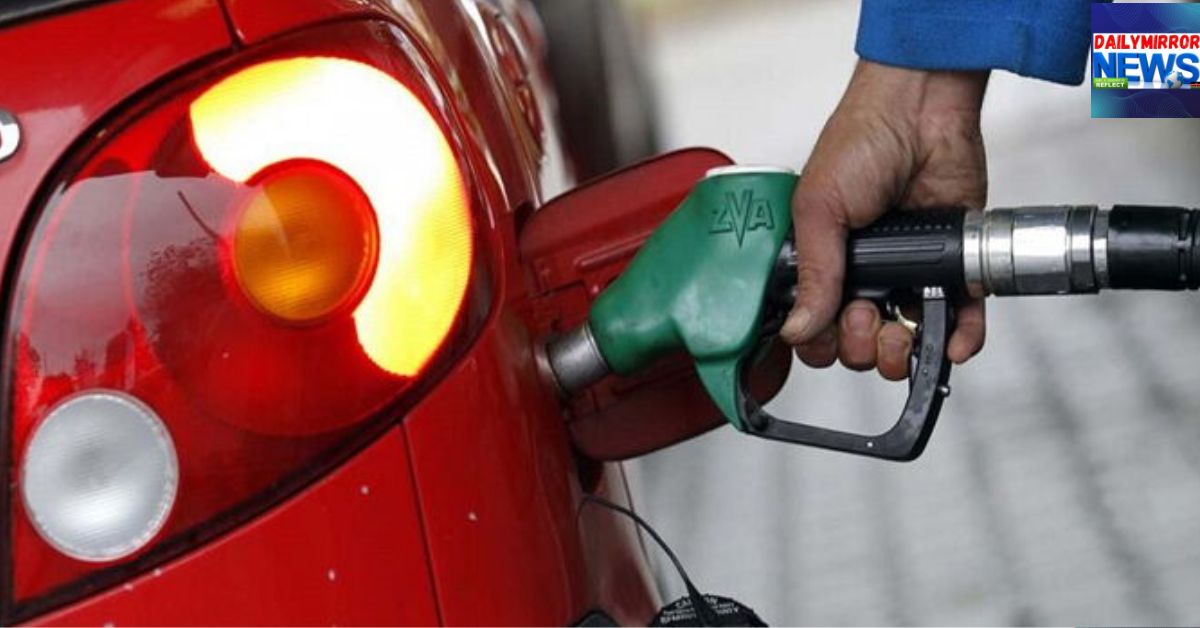
How EPRA Calculates Fuel Prices in Kenya, From Refinery to the Pump
The process, overseen by the Energy and Petroleum Regulatory Authority (EPRA), involves a multi-layered pricing formula that reflects global market dynamics, importation systems, domestic logistics, taxation, and regulated profit margins.
Global Sourcing and Landed Cost

The initial component in fuel pricing is the “landed cost,” which captures the price of fuel on arrival into the country. This includes the global cost of refined fuel, freight charges, insurance, and handling fees.
Because international oil transactions are denominated in US dollars, fluctuations in the Kenyan shilling have a direct impact on the final cost.
In its latest pricing cycle, EPRA reported landed costs of Ksh75.42 per litre for petrol, Ksh82.30 for diesel, and Ksh82.63 for kerosene, underscoring how global market shifts influence domestic pricing.
Importation Systems and Supply Stability
Fuel importation into Kenya is primarily managed through the Open Tender System (OTS), where oil marketing companies competitively bid to supply petroleum products.
These agreements allow Kenya to access fuel on extended credit terms, helping to stabilise supply and ease pressure on foreign exchange reserves during periods of global volatility.
Handling, Transport and Distribution
Once imported, fuel is offloaded at the port of Mombasa and transported through pipelines and road networks to storage depots and retail outlets across the country.
Additional expenses related to storage and distribution are also included. These stood at Ksh4.67 for petrol, Ksh4.40 for diesel, and Ksh4.36 for kerosene in the most recent pricing review.

Taxes and Levies Dominate Pricing
A significant portion of the pump price in Kenya is made up of taxes and statutory levies imposed by the government.
Industry analysts note that these charges often account for a substantial share of the retail price, sometimes exceeding the base cost of the fuel itself.
Oil Marketers’ Margins
Oil marketing companies are also allowed regulated margins set by EPRA to cover operational costs and ensure profitability.
In the latest review, these margins were capped at Ksh17.39 per litre for petrol, Ksh17.31 for diesel, and Ksh17.24 for kerosene.
“The fuel price at the pump is a combination of global oil cost, shipping and import fees, domestic transport and storage, government taxes and levies, and regulated margins for oil marketers,” EPRA states in its pricing framework.
Why Prices Remain High
Even when global oil prices decline, Kenyan motorists may not immediately experience relief at the pump.

This is because local prices are influenced by multiple fixed and variable components, including taxes, exchange rates, and logistics costs.
“Understanding how oil is sourced, imported, and priced gives insight into why motorists pay what they do,” industry observers note, pointing to the complexity of the system.
As geopolitical tensions continue to affect global supply chains, the pricing structure highlights Kenya’s vulnerability to external shocks and the delicate balance regulators must maintain between affordability and market sustainability.
ALSO READ: Murkomen Orders Crackdown on Rising Goonism in Uasin Gishu
How EPRA Calculates Fuel Prices in Kenya, From Refinery to the Pump
