



Ruto Assures Rescue, Relief as Floods Wreak Havoc in Nairobi & Environs
In a statement issued on Sunday, March 15, the Head of State said a coordinated multi-agency team had been activated to manage rescue operations, evacuations, and humanitarian support for affected communities.
The response involves emergency services, security agencies, humanitarian organisations, and technical departments working jointly to reach stranded residents and mitigate further damage.
“We continue to closely monitor the situation, and I urge all Kenyans to strictly follow the guidance issued by relevant authorities, including the Kenya Meteorological Department and the police,” Ruto said.
“The government will continue to take every necessary step to safeguard lives, support affected communities, and ensure that no Kenyan faces this challenge alone,” the President stated.
Ruto also extended his sympathies to families already impacted by the disaster.
“The ongoing heavy rains affecting several parts of our country continue to put lives and livelihoods at risk. My thoughts are with the families and communities that have already been affected during this difficult period,” he said.
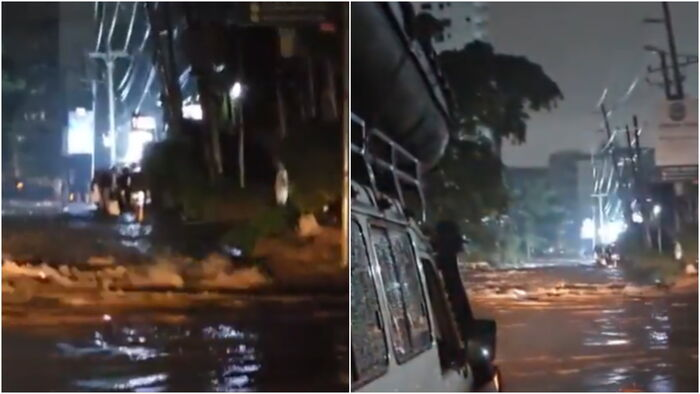
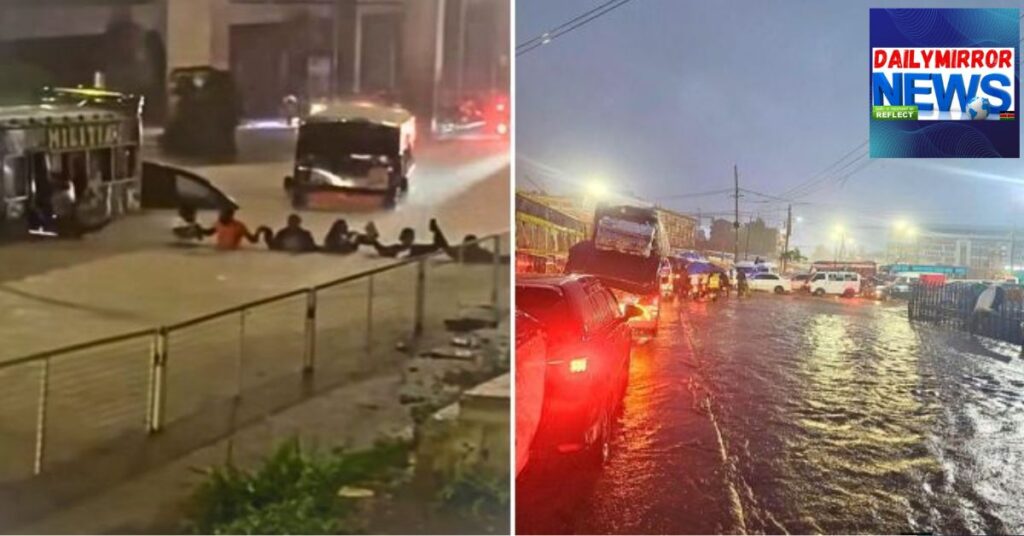
The latest flooding followed intense rainfall on Saturday, March 14, which overwhelmed drainage systems across large sections of Nairobi and surrounding areas, paralysing transport and disrupting normal activities.
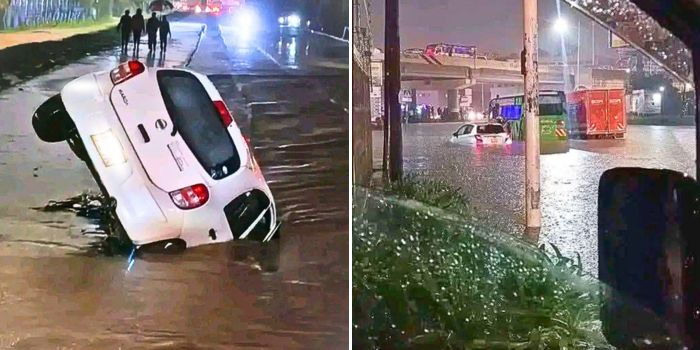
According to the Kenya Red Cross Society, some of the hardest-hit areas included Parklands, the Central Business District, and sections of Ngong Road near Ngando. Informal settlements and low-lying neighbourhoods were particularly vulnerable, with residents reporting water entering homes and businesses.
Other affected locations included Lower Kabete, Kibera, Kilimani, South B, Kawangware, and Lang’ata, where flooding displaced residents and disrupted electricity and water services in some areas.
Major transport routes were also severely affected. Sections of the Nairobi Expressway near the Museum Hill exit, Limuru Road, Bunyala Road, Lusaka Road, and several streets within the CBD and Eastleigh became impassable, stranding motorists and forcing traffic diversions.
Humanitarian officials attributed the widespread flooding to overflowing rivers, particularly the Nairobi River and the Ngong River, which breached their banks following sustained rainfall. The overflow triggered inundation even in neighbourhoods not typically prone to flooding.
Engineers cited safety concerns for workers due to fast-flowing waters and unstable ground conditions.
Authorities say repair operations are expected to resume once weather conditions improve, though officials warn that continued rainfall could prolong disruptions to water supply in some areas.
Disaster management experts note that Nairobi’s rapid urbanisation, blocked drainage channels, and encroachment on riparian land have exacerbated flood risks, making heavy downpours increasingly destructive.

For now, emergency teams remain on high alert as rescue operations continue across affected counties, with the government pledging sustained support until normalcy is restored.
“We will continue issuing advisories to ensure preparedness and necessary safety measures,” Ruto assured, signalling that authorities are bracing for the possibility of further extreme weather events.
ALSO READ: Ministry of Education Reveals Plans to Merge Schools With Low Enrollment
Ruto Assures Rescue, Relief as Floods Wreak Havoc in Nairobi & Environs
