


Oburu Tells Ruto to Use NIF to Drive Development in Northern Kenya
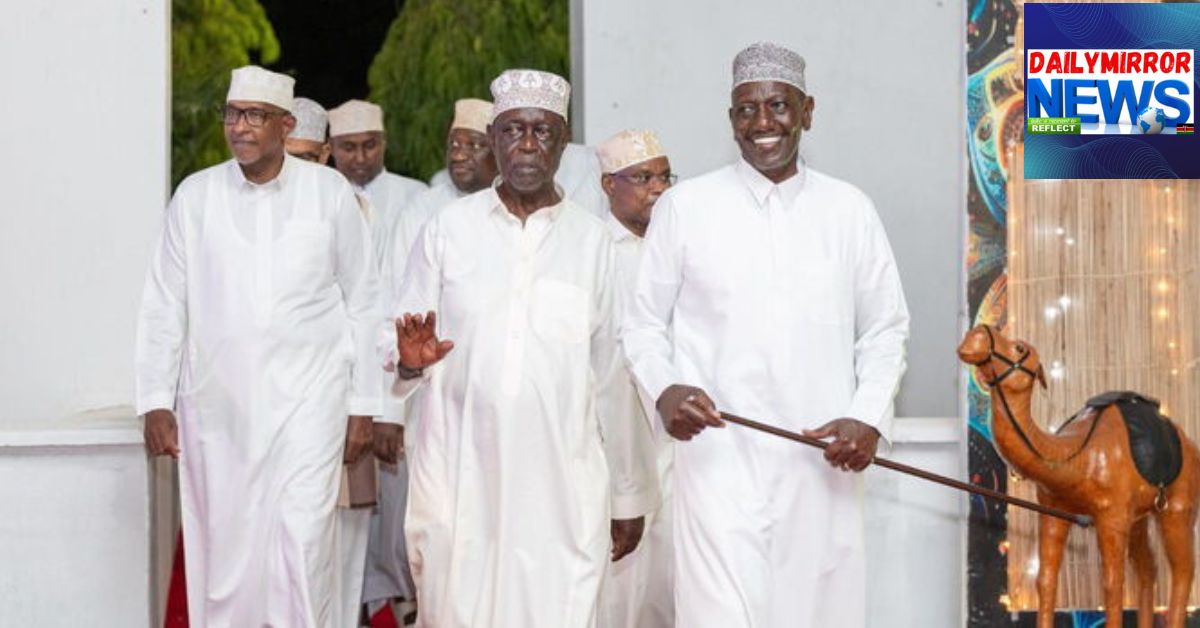
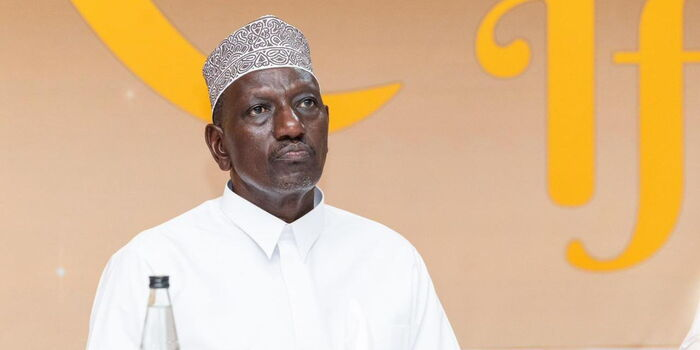
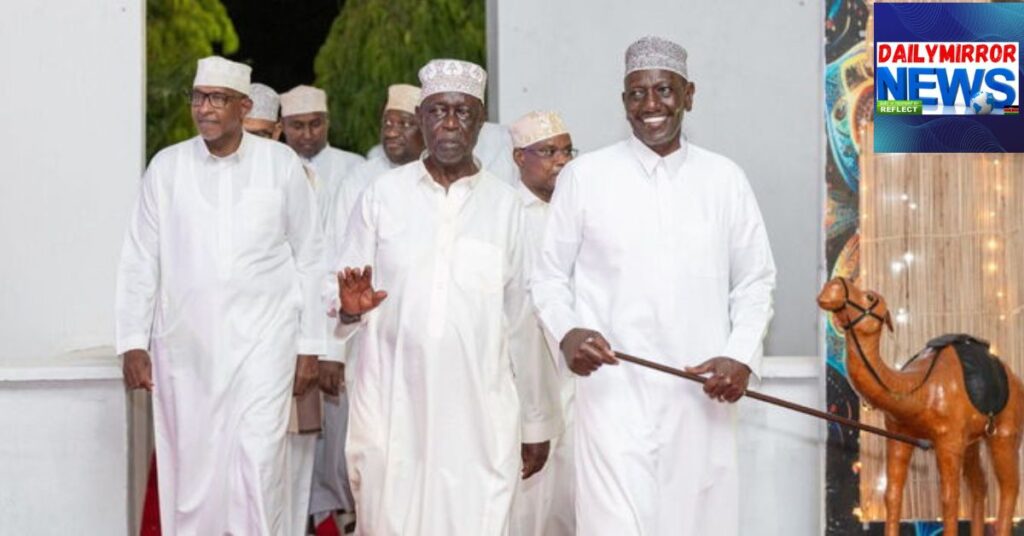
Speaking during an Iftar dinner at State House in Mombasa on Friday night, Oburu called on the government to use the fund as a catalyst for long-overdue development in Northern Kenya, an area he said has suffered decades of underinvestment.
“Mr President, I hope this Infrastructure Fund will not discriminate against the North. It must be used to open the infrastructure in the north,” Oburu said, addressing the head of state directly.
He linked the region’s current disparities to policy decisions made shortly after independence, particularly Sessional Paper No. 10 of 1965, which guided Kenya’s early development strategy. The document, championed by then Economic Planning Minister Tom Mboya with support from his assistant Mwai Kibaki, prioritised investment in high-potential areas to maximise economic returns.
“The independent government wrote a Sessional Paper No. 10 of 1965, which said all the investments of Kenya will go to the places where the return on a shilling is highest,” Oburu noted. “That means we invest in high-potential areas and we exclude arid and semi-arid places.”
The policy, often referred to as the “shilling-for-a-shilling” approach, directed public resources toward fertile and economically active regions, critics say, leaving arid and semi-arid lands (ASALs) lagging behind in infrastructure, education, and economic opportunities.
Economic data illustrates the imbalance. Five counties—Nairobi, Kiambu County, Mombasa County, Nakuru County, and Machakos County—collectively generate nearly half of Kenya’s Gross Domestic Product, while 16 predominantly northern counties contribute only about 7.5 per cent.
Poverty indicators are similarly stark. Recent figures show poverty rates of about 82 per cent in Turkana County, 72 per cent in Mandera County, and 71 per cent in Samburu County, compared with 16 per cent in Nairobi and 19 per cent in Kiambu. Analysts also estimate that an average resident of Nairobi has access to roughly eleven times more wealth than a resident of Mandera.
Oburu argued that the NIF presents a rare opportunity to correct these disparities by directing major infrastructure investments to historically underserved regions.
The fund recently received an initial capital injection of KSh 163 billion following the sale of Kenya Pipeline Company earlier this month.
Additional plans include generating 10,000 megawatts of clean energy, upgrading power transmission systems, and constructing 50 mega dams alongside more than 1,000 smaller dams to irrigate up to 2.5 million acres of farmland.
Ruto has indicated that the airport expansion will be the first project financed under the NIF, with groundbreaking expected in June, according to Transport Cabinet Secretary Davis Chirchir.
“Infrastructure development must be inclusive if it is to achieve national cohesion and sustainable growth,” Oburu emphasised, reiterating his call for fair investment across all regions.
The debate highlights longstanding tensions over development equity in Kenya and places the NIF at the centre of expectations to reshape the country’s economic geography for decades to come.
ALSO READ: U.S. Govt Adds 24 More Kenyans to List of ‘Worst of Worst’ Illegal Immigrants
Oburu Tells Ruto to Use NIF to Drive Development in Northern Kenya
