


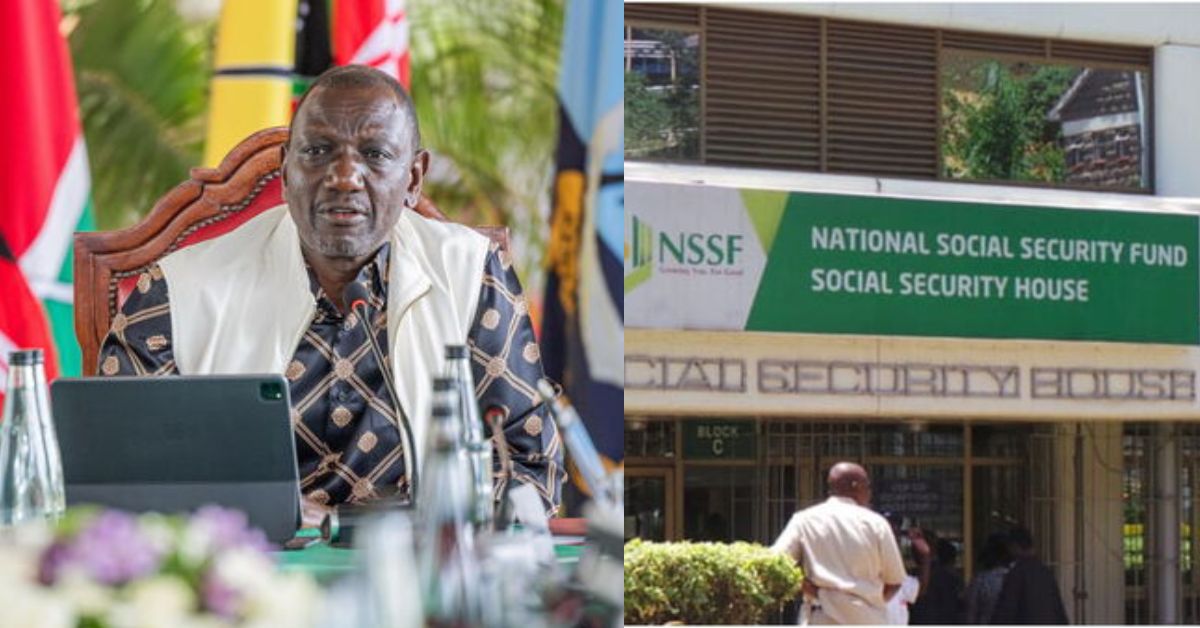
NSSF Orders Employers to Maintain Higher Deductions Despite Court Ruling on 2013 Law
The National Social Security Fund (NSSF) has directed employers across Kenya to continue deducting and remitting employee contributions at the current enhanced rates, insisting that recent court proceedings have not altered the legal framework governing the Fund’s operations.
The Fund moved quickly to reassure stakeholders that contribution rates currently being deducted from employees’ salaries remain valid and enforceable despite the ongoing legal battle.
In a statement, NSSF clarified that the Court of Appeal’s decision did not invalidate the implementation of the current contribution schedule and warned against misinformation suggesting that employers should revert to the old contribution structure.
The clarification is expected to affect millions of workers and thousands of employers who have been closely following the case, which has significant implications for retirement savings in Kenya.

“This is to clarify to our members and stakeholders that the NSSF Act is still in force on account of the judgment of the Court of Appeal rendered on February 3, 2023,” the Fund stated.
NSSF further emphasized that the matters currently before the courts do not affect the contribution rates applicable under the law.
“The issues pending determination by the Court do not in any way affect contribution rates by employers and employees, which remain those of the year four cycle in accordance with the Third Schedule of the NSSF Act,” the statement added.
The latest directive follows a major legal setback for the Fund after the Court of Appeal dismissed its application seeking to suspend a previous judgment that had declared the NSSF Act, 2013 unconstitutional.
In the ruling delivered on May 29, the appellate judges held that NSSF had failed to demonstrate that refusing to grant a stay order would result in irreparable harm to either the institution or the wider pension sector.
While acknowledging that the Fund had raised important legal questions worthy of consideration, the judges ruled that merely presenting arguable grounds was insufficient to justify suspending the lower court’s judgment.
The court noted that NSSF had not presented sufficient evidence to prove that the pension sector would suffer substantial disruption if the stay application was denied.
However, the judges found that these concerns were not adequately supported by documentary evidence.
According to the court, NSSF did not provide audited financial statements, actuarial assessments, or other technical reports demonstrating the extent of the potential disruption.
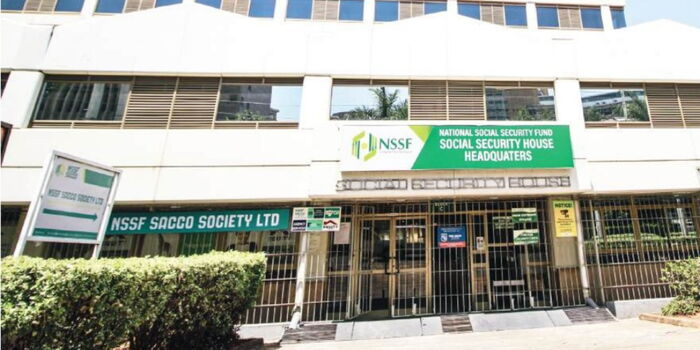
Despite the ruling, NSSF has maintained that the 2013 Act remains legally operational pending the final determination of the matter.
The enhanced rates were introduced as part of reforms designed to increase pension accumulation among Kenyan workers and align the country’s retirement savings framework with international best practices.
According to NSSF, the reforms have contributed significantly to the growth of the Fund’s asset base.
The Fund says the increase reflects stronger savings mobilisation and improved long-term financial security for contributors.
For employers, the latest directive means payroll systems will remain unchanged for now, while employees should continue expecting deductions at the current rates.

As the legal dispute continues through the courts, the future of Kenya’s pension reform agenda remains closely tied to the final outcome of the case.
ALSO READ: Treasury Revives Nil Returns Filing Under New Staggered Tax Submission Plan
NSSF Orders Employers to Maintain Higher Deductions Despite Court Ruling on 2013 Law
