


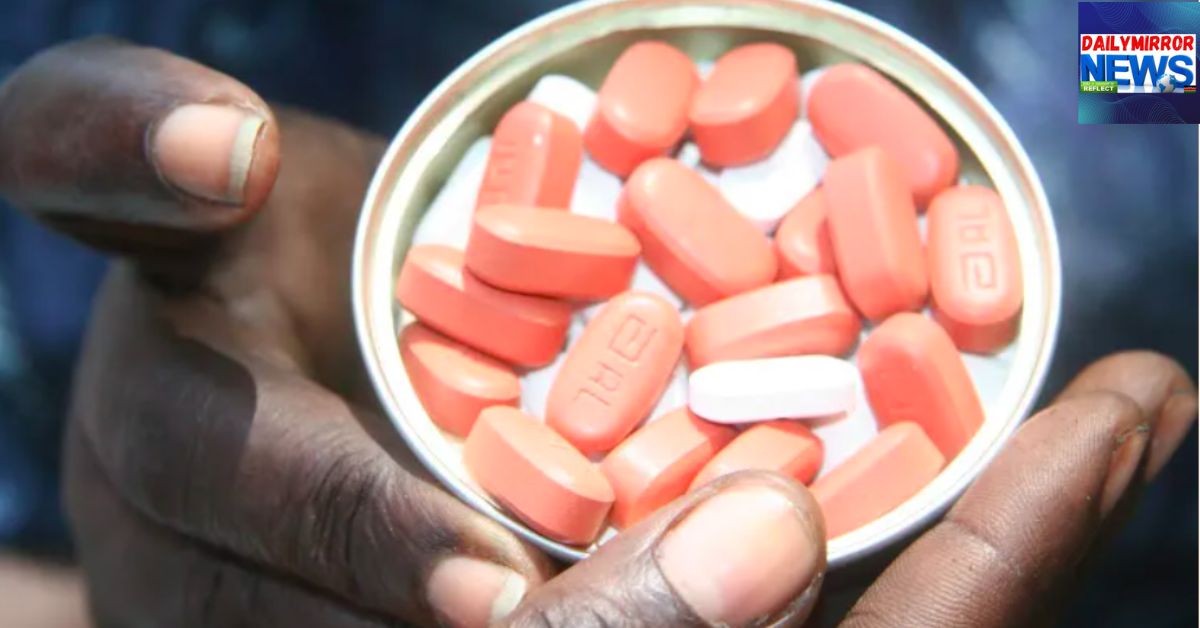
Nairobi Records Highest Number of New HIV Infections
The figures, published ahead of World AIDS Day on December 1, reveal that Kenya registered a total of 19,991 new infections nationwide, marking a 19 percent increase compared to the previous year. Alarmingly, young people aged between 15 and 34 accounted for 54 percent of all new cases, underscoring the vulnerability of the youth demographic.

Rising Concern Among Health Officials
Health experts attribute the surge in infections among young people to low testing rates, inconsistent condom use, and limited access to prevention services, particularly in urban informal settlements. Officials warn that unless urgent interventions are scaled up, the country risks reversing gains made in the fight against HIV/AIDS.
“We are deeply concerned about the rising numbers, especially among adolescents and young adults. This trend highlights the need for sustained awareness campaigns and improved access to prevention tools,” said a senior official from the National Syndemic Diseases Control Council.
HIV Awareness Marathon
Coinciding with the release of the report, hundreds of runners gathered at Nyayo National Stadium for the national HIV awareness half-marathon organised by the Ministry of Health and the National Syndemic Diseases Control Council.
The event, themed “One Race, One Goal: Ending AIDS among Adolescents and Young People,” featured 21 km, 10 km, 5 km, and 2 km races starting at 6 a.m. Principal Secretary for Medical Services Ouma Oluga flagged off the marathon, urging participants to embrace testing and prevention.

“This marathon is not just about running. It is about spreading the message of prevention, encouraging testing, and reminding our youth that HIV is still a reality we must confront together,” Oluga told participants.
Free testing and counselling services were offered at the stadium, alongside information on pre-exposure prophylaxis (PrEP) and other youth-friendly services. To facilitate the event, Mombasa Road was closed between Nyayo Stadium and Museum Hill until 10:30 a.m.
Nationwide Awareness Campaigns
Similar awareness walks and community events were held across all 47 counties in the buildup to World AIDS Day. Organisers said the activities were designed to reach young people in schools, colleges, and informal settlements, where prevention services are often limited.
Kenya currently has 1.3 million people living with HIV who are on treatment. However, the rise in new infections, particularly in Nairobi and among the youth, remains a pressing concern for health authorities.
Looking Ahead
Officials stress that reversing the upward trend will require sustained investment in awareness campaigns, expanded access to testing, and the scaling up of prevention tools such as PrEP. They also emphasise the importance of community-driven initiatives to break stigma and encourage early testing.
“Our target remains clear – to end AIDS as a public health threat by 2030. But these new statistics are a stark reminder that the battle is far from over,” the Ministry of Health said in a statement.
Conclusion
As Kenya joins the rest of the world in observing World AIDS Day, the latest figures serve as a sobering reminder of the challenges ahead. With Nairobi leading in new infections and young people disproportionately affected, the fight against HIV/AIDS demands renewed urgency, innovation, and collective responsibility.
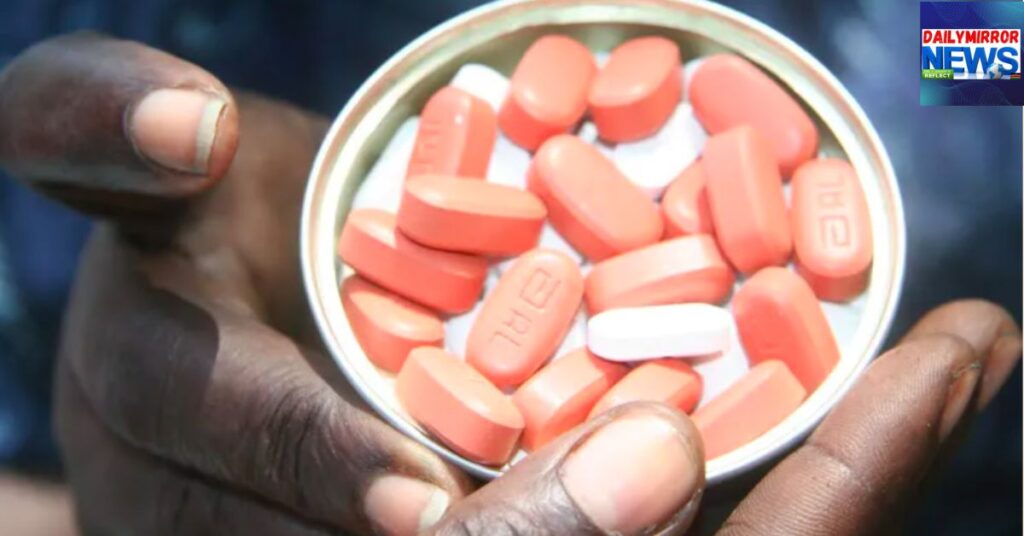
Nairobi Records Highest Number of New HIV Infections
