


Manufacturers Warn Parliament Over Unsafe Raw Sugar Allegedly Entering Kenyan Retail Market
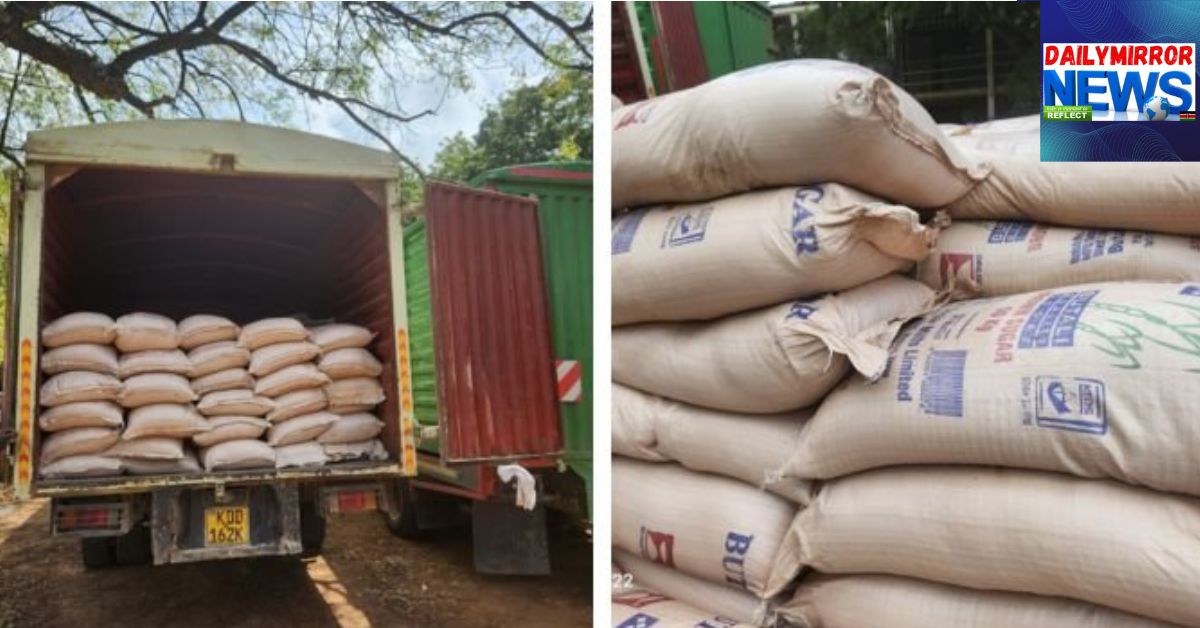
NAIROBI, Kenya – Fresh concerns have been raised over the safety of sugar sold in Kenya after local manufacturers warned Members of Parliament that raw industrial sugar intended for processing is allegedly finding its way into retail shops, potentially exposing consumers to products that have not undergone the required refining process.
Appearing before the National Assembly Departmental Committee on Trade, Industry and Cooperatives on Wednesday, August 5, sugar manufacturers and industry stakeholders urged lawmakers to tighten regulation of sugar imports, warning that gaps in oversight could allow raw sugar to be sold directly to unsuspecting consumers.
The industry representatives maintained that imported raw sugar is intended exclusively for industrial use and should first undergo refining before being released into the local market for human consumption.

Manufacturers Call for Stricter Controls
The stakeholders told MPs that Kenya should only permit raw sugar imports when there is a genuine shortage in domestic production and where industries require the commodity for further processing.
They argued that sectors such as food manufacturing, beverage production, pharmaceuticals and distilleries depend on industrial-grade sugar that is refined before being used in finished products.
“Raw sugar should only be allowed into the country as a short-term measure to address deficits and to cushion food, beverage, pharmaceutical and distillery industries that rely on industrial sugar.” one Busia-based sugar manufacturer told the committee.
The manufacturers emphasized that industrial sugar is fundamentally different from the refined table sugar commonly sold to households.
According to the industry players, international standards require imported raw sugar to undergo purification because it contains impurities accumulated during harvesting, transportation and storage.
Stakeholders Cite Global Standards
Industry representatives explained that across the world, raw sugar is transported as an intermediate product and is not intended for direct sale to consumers without further processing.
They warned that bypassing the refining stage could compromise food safety standards and undermine public confidence in locally available sugar products.
“Global practice is to import raw sugar for refining before sale. Raw sugar contains impurities and is sometimes transported in open containers because it is not meant for direct human consumption unless refined.” another stakeholder told lawmakers.
The committee heard that stricter monitoring is necessary to ensure imported industrial sugar reaches licensed refineries instead of ordinary retail outlets.
Industry Warns of Economic Impact
Beyond consumer safety concerns, manufacturers argued that increasing sugar imports continue to place enormous pressure on local millers.
They claimed excessive imports have depressed domestic sugar prices, reduced factory sales and threatened thousands of jobs across Kenya’s sugar-growing regions.

To address the problem, manufacturers urged Parliament to ensure full enforcement of the Sugar Act, 2024, alongside strict compliance with import regulations administered by the Kenya Revenue Authority (KRA) and other government agencies.
Can Consumers Tell the Difference?
During the parliamentary session, lawmakers questioned whether ordinary Kenyans could distinguish between raw industrial sugar and refined table sugar once the products reach supermarket shelves.
Manufacturers responded that consumers have virtually no practical way of identifying the difference through appearance alone.
They warned that once improperly refined sugar enters the retail market, buyers are unlikely to know whether it meets the required food safety standards.
The stakeholders therefore called for stronger inspection mechanisms throughout the importation, refining and distribution chain to prevent industrial sugar from reaching households.
Concerns Follow Earlier Parliamentary Warning
The latest warning comes only months after Parliament raised concerns over a consignment of 27,839 metric tonnes of imported sugar valued at approximately Ksh1.5 billion.
At the time, legislators were informed that the Kenya Bureau of Standards (KEBS) had reportedly classified the consignment as raw sugar intended for further refining rather than direct retail sale.
MPs expressed concern that products considered unsuitable for direct consumption could potentially find their way into the local market if regulatory safeguards were not fully enforced.
Parliament Expected to Review Recommendations
Lawmakers are now expected to consider proposals aimed at tightening import controls, improving traceability of industrial sugar and enhancing enforcement against illegal diversion into retail markets.
ALSO READ: Gachagua Alleges eCitizen Funds Were Diverted, Blames Misuse for Kenya’s Passport Book Shortage
Manufacturers Warn Parliament Over Unsafe Raw Sugar Allegedly Entering Kenyan Retail Market
