



Kenyans Face Sugar Price Drop as Govt Reduces Cane Prices by Ksh250
In a notice issued on April 24, 2026, the Kenya Sugar Board announced a downward revision of the minimum cane price from Ksh5,750 to Ksh5,500 per tonne. The directive, which takes immediate effect, requires all millers to comply and ensure timely payments to farmers.
“This is therefore to notify you that the new sugarcane price of Ksh5,500 per tonne has been approved, effective immediately. This new price is comparatively high in the region,” Chesire stated.
“You are hereby requested to adhere to the new minimum cane price while making payments to the farmers on time,” he added.
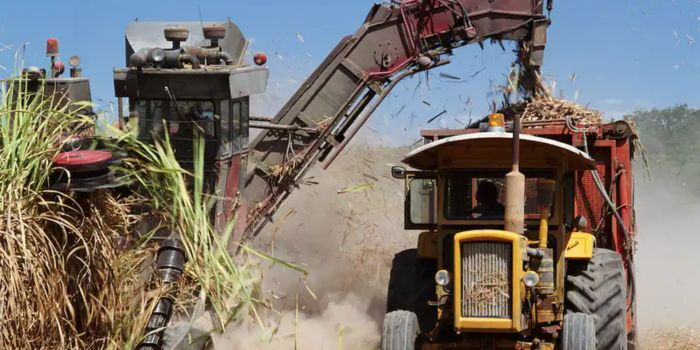
The revision comes against the backdrop of increased sugar production in the country, driven by improved cane supply and the revival of previously dormant factories now under private management. Industry insiders say the surge in output has expanded supply in the market, prompting a natural decline in retail sugar prices.
Sources familiar with the deliberations revealed that some millers had pushed for a more drastic reduction of cane prices to Ksh5,000 per tonne, citing rising operational expenses and narrowing profit margins. However, the government opted for a moderate adjustment in a bid to cushion farmers from significant income losses.
Analysts note that while lower cane prices could ease production costs and translate into more affordable sugar for consumers, there are concerns that reduced earnings could discourage farmers from maintaining or expanding cane production in the long term.
This, according to officials, underscores Kenya’s continued competitiveness in the regional sugar market even after the price adjustment.

The directive also emphasises the importance of timely payments to farmers, an issue that has historically plagued the sector and contributed to declining morale among growers.
At the same time, the government faces the challenge of ensuring that the gains made in revitalising the sugar sector are not undermined by policy shifts that could weaken farmer participation.
As the new pricing structure takes effect, attention will be on how industry players adapt to the changes and whether the anticipated benefits—particularly lower consumer prices—will be realised without destabilising the backbone of the sector: the farmers.

ALSO READ: CS Oparanya Clashes With Oburu Odinga, Threatens to Withdraw ODM Support in Western
Kenyans Face Sugar Price Drop as Govt Reduces Cane Prices by Ksh250
