



Kenya Unveils Historic Ksh4.7 Trillion Budget – Here’s What Counties and Citizens Get
Kenyans are set to benefit from expanded public services and increased development spending after the Cabinet approved a record Ksh4.7 trillion national budget for the 2026/27 financial year, the largest in the country’s history.
The budget, endorsed during a Cabinet meeting held on Tuesday, February 10, 2026, represents a Ksh410 billion increase from the current Ksh4.29 trillion spending plan, underscoring the government’s intention to accelerate economic growth and deepen service delivery across all sectors.
According to Treasury projections, the government expects to raise Ksh3.53 trillion in total revenues against the proposed Ksh4.7 trillion expenditure, resulting in a financing gap that will be met through a mix of domestic and external borrowing.
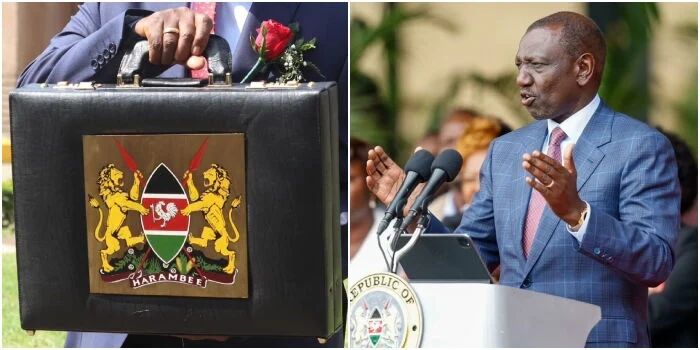
“The Cabinet approved a Ksh4.7 trillion budget for the 2026/27 financial year to support inclusive growth, expand service delivery, and accelerate the Bottom-Up Economic Transformation Agenda,” the Cabinet dispatch stated.
County governments emerged among the biggest beneficiaries, with allocations rising to Ksh495.7 billion from Ksh474.9 billion in the previous financial year. The increase is expected to strengthen devolution and enable counties to deliver services closer to citizens.
The devolved funds package includes Ksh420 billion as the equitable share, equivalent to 21.9 per cent of audited revenue, Ksh15.2 billion for the Equalisation Fund, and an additional Ksh75.7 billion in conditional and special-purpose allocations.
“The enhanced allocation to county governments reflects the administration’s commitment to strengthening devolution and empowering local units to meet the needs of citizens,” the statement noted.
Recurrent expenditure will take the largest share of the budget, with Ksh3.46 trillion set aside for salaries, operations, and ongoing government obligations. Development expenditure, targeting infrastructure expansion and improved service delivery, has been allocated Ksh749.5 billion for the year.
The budget is anchored on an optimistic economic outlook, with the government projecting gross domestic product (GDP) growth of 5 per cent in 2025 and 5.3 per cent in 2026. Growth is expected to be driven by favourable weather conditions, increased agricultural productivity, and sustained investment in climate-smart initiatives.
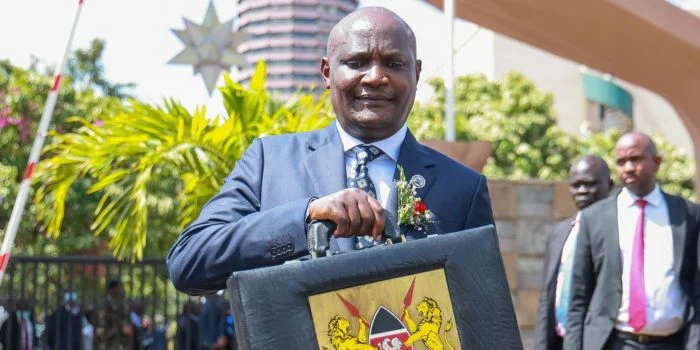
The 2026/27 spending plan is themed “Accelerating Gains under the Bottom-Up Economic Transformation Agenda for Inclusive and Sustainable Growth,” signaling a shift from fiscal consolidation to increased investment in sectors viewed as key drivers of long-term growth.
Priority spending areas include education, health, energy, infrastructure, agriculture, social protection, and national security. The government also plans to advance reforms in public finance management, digitisation of services, and public-private partnerships to enhance efficiency and maximise the impact of public spending.
“The focus of this budget is to scale up investments that directly impact households, create jobs, and support sustainable economic transformation,” the Cabinet said.
A Contingency Fund of Ksh2 billion has been set aside to cater for emergencies, providing fiscal flexibility to respond to unforeseen events while maintaining discipline in public spending.
This marks the fourth budget under President William Ruto’s Kenya Kwanza administration and now proceeds to Parliament for scrutiny and approval. Lawmakers are expected to debate the proposed allocations ahead of the start of the new financial year in July.

Compared to last year’s budget, which prioritised economic recovery following global and domestic shocks, the latest spending plan places stronger emphasis on expansion and investment, a move officials describe as a transition into the next phase of economic growth.
ALSO READ: Nairobi to Host Ford Foundation Offices After Cabinet’s Greenlight
Kenya Unveils Historic Ksh4.7 Trillion Budget – Here’s What Counties and Citizens Get
