



Ikolomani Locals Vow to Keep Mining After Gold Dispute Leaves 3 Dead
Kakamega, Kenya – Residents of Ikolomani in Kakamega County have vowed to continue their small-scale gold mining activities despite deadly clashes that claimed three lives during protests over control of mineral-rich land.
The violence, which erupted on Thursday, December 4, left several people injured, including police officers and journalists, after tensions flared between villagers and officials seeking to advance commercial mining projects in the area.
Residents Defiant
Speaking days after the unrest, local miners insisted that gold extraction remains their only source of livelihood and that they will not abandon the practice, even as a major company seeks rights to the land. Armed with rudimentary tools, the miners said they have relied on the trade for generations, often extracting only a few grams of gold at a time.

“This is our job. We wake up in the morning to do this work. Without it we cannot eat,” one miner lamented.
Another resident described the deposits beneath their homes as a form of inheritance passed down through families.
“In one day, we can make between Sh1,000 and Sh5,000. If we move out, where will we get an income?” he asked.
Gold deposits in Ikolomani are estimated to be worth about Ksh680 billion. Despite this, locals fear that commercial mining ventures could push them aside without offering viable economic alternatives.
Deadly Protests
The clashes occurred when villagers in Isulu blocked officials from the National Environment Management Authority (NEMA) and representatives of Shanta Gold Company from accessing Emusali Primary School for a public participation forum. Police later reported that most of the fatalities were suspected hired goons who had attacked journalists covering the unrest.
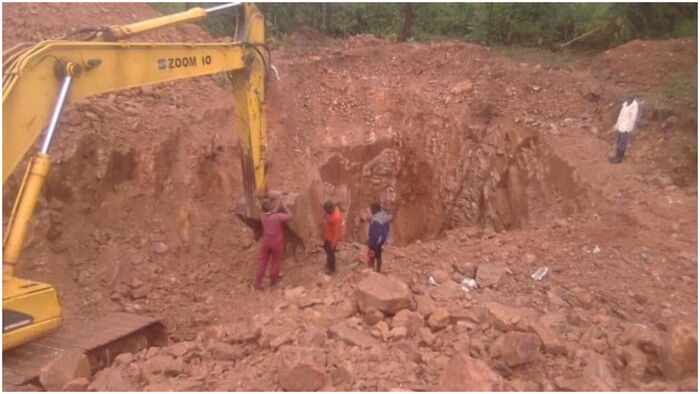
The incident has heightened tensions in the region, with residents demanding assurances that their livelihoods will not be wiped out by large-scale mining operations.
Government Position
Mining Principal Secretary Harry Kimtai met with the leadership of a renowned gold mining company in November to discuss the future of mining projects in Western Kenya, including Kakamega, Siaya, and Vihiga counties.
The government has already approved mining operations in Bushiangala and Isulu zones, with the company planning to invest between Ksh22 billion and Ksh27 billion in an underground mine and processing plant. The project is expected to run for at least eight years, creating jobs and boosting local infrastructure.
Officials argue that commercial mining will bring significant economic benefits to the region, but residents remain skeptical, citing fears of displacement and loss of income.
Calls for Dialogue
While locals expressed openness to future arrangements, they stressed that any agreement must guarantee their continued participation in mining activities.
“We are not against development, but we must be assured that our livelihoods will not be destroyed. Without mining, we have no other source of income,” a community elder said.
Observers have urged the government and mining companies to prioritize dialogue with residents to avoid further conflict and ensure that community interests are safeguarded.

Conclusion
The Ikolomani dispute underscores the broader challenge of balancing community livelihoods with commercial mining interests in Kenya’s mineral-rich regions. As the government pushes ahead with multi-billion-shilling projects, residents remain firm in their resolve to protect their traditional mining practices, even in the face of deadly clashes.
The coming months will be critical in determining whether dialogue and compromise can prevent further violence and secure a sustainable path forward for both locals and investors.
ALSO READ: Mosiria Calls for Revocation of Licenses for Private Waste Firms Conducting Illegal Dumping
Ikolomani Locals Vow to Keep Mining After Gold Dispute Leaves 3 Dead
