



Flood Death Toll Reaches 62, Nairobi Records Highest Killed
Kenya’s death toll from ongoing flash floods has risen to 62, with Nairobi recording the highest number of fatalities, according to the Ministry of Interior.
In the latest official update, authorities confirmed that the victims include 46 men, eight women, and eight children, underscoring the widespread human cost of the heavy rains that have battered several parts of the country.
Nairobi alone accounts for 33 deaths, more than half of the national total. The Eastern region follows with 17 fatalities, while the Rift Valley region has reported seven deaths so far. Other areas have recorded isolated incidents as rivers overflow, roads are washed away, and low-lying settlements remain submerged.
A previous government briefing had placed the national death toll at 50, indicating a sharp rise in casualties as rescue teams continue to recover bodies and search for missing persons.
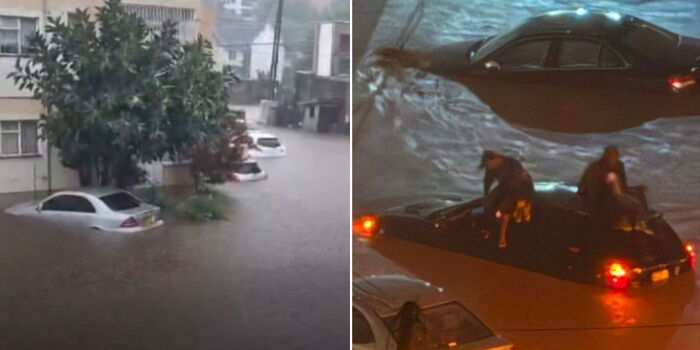
Emergency response teams drawn from the police, disaster management units, and humanitarian agencies have been deployed to the hardest-hit areas to assist in evacuations and deliver relief supplies.
“We urge residents in flood-prone areas to remain vigilant, avoid crossing flooded rivers, and heed all early warning alerts issued by authorities,” the ministry said in its advisory.
Urban flooding in Nairobi has been particularly severe, with drainage systems overwhelmed by persistent downpours. Informal settlements located along riverbanks and floodplains have borne the brunt of the disaster, with homes destroyed and livelihoods disrupted.
In several neighbourhoods, residents have been seen wading through waist-deep water to salvage belongings, while others have sought refuge in schools, churches, and temporary shelters set up by local authorities.
Meteorological forecasts indicate that heavy rainfall is expected to continue in the coming days, raising fears that the situation could worsen, especially in areas already saturated by previous storms.
Government officials say plans are underway to expand rescue and relief operations, including the provision of emergency shelter, food assistance, and medical support for displaced populations.
“The government is intensifying rescue efforts, providing temporary shelter for displaced families, and assessing damaged infrastructure to prevent further loss of life,” the ministry added.
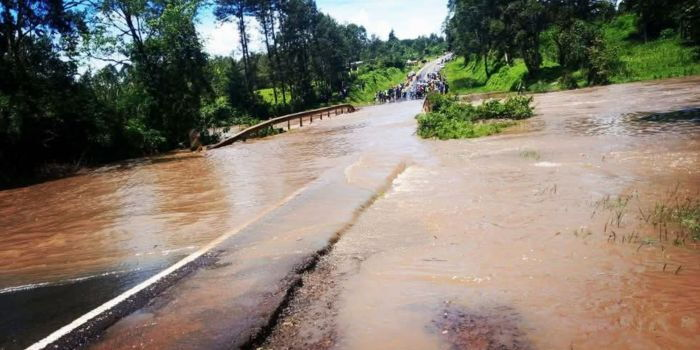
Engineers and safety inspectors have also been dispatched to evaluate roads, bridges, and buildings weakened by flooding to determine whether they remain safe for public use.
Authorities are urging communities living near rivers, dams, and steep slopes to relocate to safer ground where possible, emphasizing that prevention measures can significantly reduce casualties.
For many affected families, the floods have not only claimed lives but also destroyed homes, farms, and businesses, leaving communities facing an uncertain recovery.
As search operations continue and rainfall persists, officials warn that the death toll could rise further.
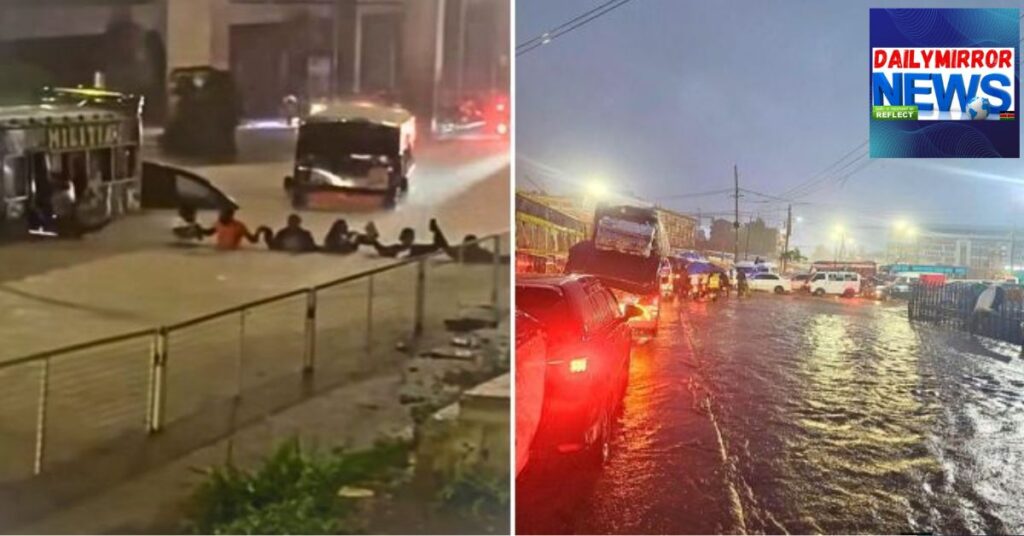
“Public cooperation is critical at this time. Observing safety guidelines and evacuation orders can save lives,” authorities emphasized.
The unfolding disaster highlights the urgent need for improved urban planning, drainage systems, and disaster preparedness measures as Kenya grapples with increasingly intense seasonal rains.
ALSO READ: Court Convicts Four Men Over Robbery Linked to Kabete MP George Muchai’s Murder
Flood Death Toll Reaches 62, Nairobi Records Highest Killed
