


EPRA Introduces Fresh Forex and Water Levy Charges on Electricity Bills
In a Gazette Notice issued on April 24, the regulator outlined three key adjustments that will now be reflected in monthly power bills: a Foreign Exchange Fluctuation Adjustment, a Water Resource levy, and a Fuel Energy Cost Charge (FECC). The changes are attributed to currency fluctuations, hydropower usage costs, and rising fuel expenses in electricity generation.
“PURSUANT to Clause 2 of Part III of the Schedule of Tariffs, 2023, notice is given that all prices for Electrical Energy specified in Part II of the said Schedule will be liable to a Foreign Exchange Fluctuation Adjustment of Plus 123.41 Cents per kWh for all meter readings taken in April, 2026,” EPRA stated. “These adjustments reflect prevailing economic conditions affecting electricity production and supply.”
The foreign exchange adjustment alone will add 123.41 cents per kilowatt-hour, driven by exchange rate movements recorded in March 2026. According to EPRA, the adjustment reflects a combined exposure of over KSh 1.3 billion among key sector players, including Kenya Electricity Generating Company, Kenya Power, and Independent Power Producers (IPPs).
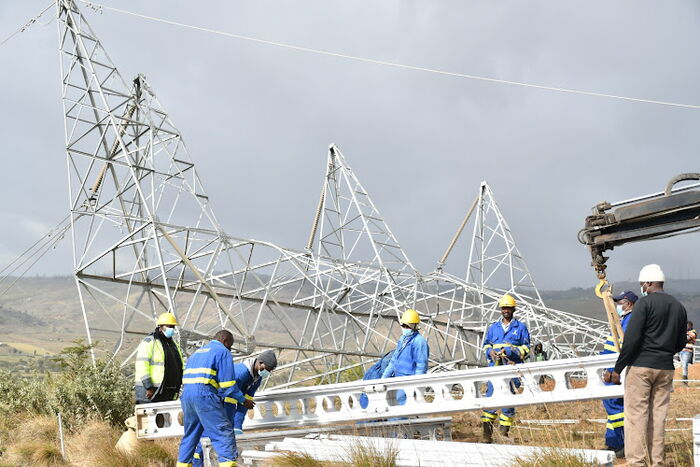
Breakdowns indicate that KenGen posted a forex gain of KSh 14.26 million, Kenya Power recorded KSh 453.2 million, while IPPs accounted for the largest share at KSh 874.78 million. These figures were computed against a total generation of approximately 1.3 billion units of electricity.
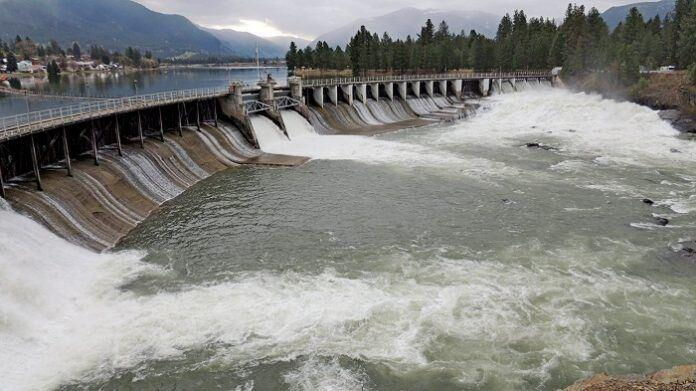
In addition, EPRA introduced a Water Resource Management Authority levy, which will contribute an extra 1.54 cents per kilowatt-hour. This charge is tied to electricity generated from hydropower stations across the country, including major dams such as Gitaru, Kiambere, and Turkwel, which collectively supplied over 334 million units of power in March.
However, the most significant impact comes from the Fuel Energy Cost Charge. “All prices for electrical energy specified in the Schedule of Tariffs will be liable to a Fuel Energy Cost Charge of Plus 347 Kenya cents per kWh for all meter readings taken in April 2026,” confirmed EPRA Acting Director-General Dr. Eng. Joseph Oketch. “This reflects the actual cost of fuel used in power generation across thermal plants.”
Consumers in off-grid and remote regions are expected to bear the highest burden, as these areas rely heavily on diesel-powered generators. Counties such as Turkana County, Lamu County, and Homa Bay County have reported some of the highest fuel costs, significantly driving up electricity prices.
In contrast, areas connected to geothermal power sources, particularly around Olkaria, are relatively shielded from the steep increases. Geothermal energy, known for its lower and more stable production costs, continues to offer a buffer against volatile fuel prices in urban centres such as Nairobi and Nakuru.
Energy experts note that while such adjustments are part of the existing tariff structure, frequent fluctuations continue to raise concerns about affordability and predictability for consumers. Businesses, particularly small and medium enterprises, may face increased operational costs, while households are likely to feel additional pressure on already strained budgets.
“These cost adjustments are necessary to ensure sustainability of the power sector, but they also highlight the need for long-term solutions to stabilise energy prices,” an industry analyst observed. “Investment in renewable energy and reduction of fuel dependency will be critical going forward.”
As the new charges take effect, consumers are expected to monitor their electricity usage more closely, even as calls grow for reforms to cushion users from frequent tariff increases.
ALSO READ: Ruto Names Over 30 Judges in Fresh High Court and ELC Appointments
EPRA Introduces Fresh Forex and Water Levy Charges on Electricity Bills
