



Kisumu Court Issues Notice on Planned Destruction of Old Case Records
The notice, published in a gazette dated April 24 and signed by Chief Magistrate D.O. Onyango, outlines the court’s intention to seek approval from the Chief Justice to proceed with the destruction under the Records Disposal (Courts) Rules established under Cap. 14 of Kenya’s subsidiary legislation.
“IN ACCORDANCE with the Records Disposal (Courts) Rules, notice is given that three (3) months from the date of this publication, the Chief Magistrate’s Court at Kisumu intends to apply to the Chief Justice, for leave to destroy the records, books and papers of the Chief Magistrate’s Court,” the notice reads.
According to the court, the records targeted for disposal include criminal cases filed between 2016 and 2018, as well as civil matters dating back to 2008 through 2010. These files represent concluded cases that have exceeded the legally prescribed retention period.
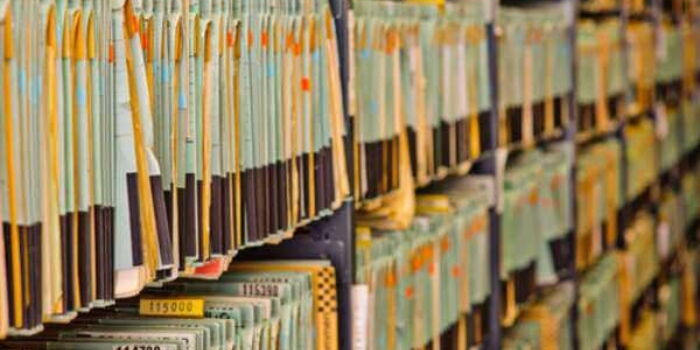
“All exhibits to which no claim is substantiated before the destruction of all the records shall, under section 4, be deemed to be part of the records for the purposes of destruction,” the gazette notice warned.
Court officials have urged individuals who may have submitted documents, evidence, or other materials in connection with the affected cases to visit the Kisumu Law Courts registry and file formal claims within the stipulated period.
“Any person desiring the return of any exhibit in any of the above cases must make his or her claim within the stipulated time in this publication,” Magistrate Onyango stated.
The planned exercise is part of a routine judicial process governed by Kenya’s Records Disposal Act, which permits courts to destroy files after a specified duration once cases have been concluded. For civil matters, records are typically eligible for disposal 12 years after final judgment, except in sensitive cases such as land disputes or constitutional petitions, which may be preserved for longer periods.
Judicial officers note that the disposal of old records is necessary to address storage constraints, reduce administrative costs, and streamline registry operations. Over the years, physical file accumulation has posed logistical challenges in courts across the country, prompting the adoption of structured retention and disposal schedules.

Despite the destruction of physical files, the Judiciary has assured the public that essential case details will remain within official court registers. These include names of parties, the nature of disputes, and final judgments, ensuring that a record of proceedings is retained even after file disposal.
The nationwide rollout of e-filing, completed in 2024 under Chief Justice Martha Koome, marked a significant milestone in modernising Kenya’s judicial processes. The directive barring the printing of court pleadings from July 2024 further underscores the Judiciary’s commitment to digital transformation.

As the three-month notice period begins, affected individuals are being encouraged to act promptly to avoid losing any materials tied to past cases, as the planned destruction will proceed once all legal requirements have been fulfilled.
ALSO READ: Gladys Wanga Reiterates ODM Will Take 50 Per Cent in Power-Sharing Talks With UDA
Kisumu Court Issues Notice on Planned Destruction of Old Case Records
