


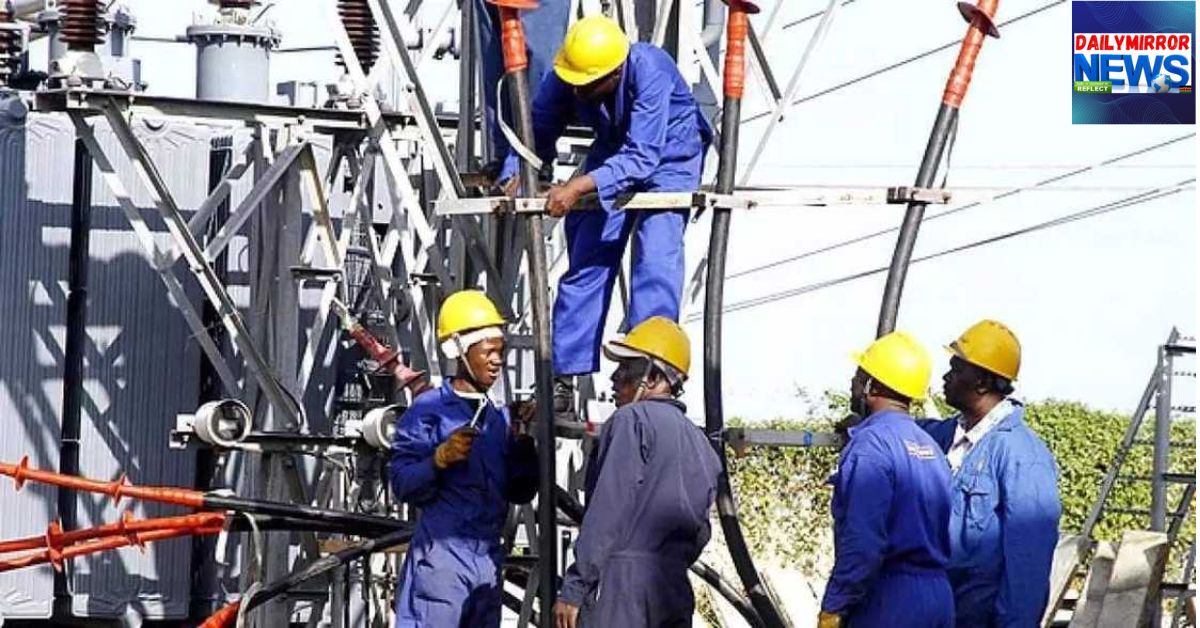
Electricity Prices to Rise by Ksh4.78 in November After EPRA Review
Nairobi, Kenya – Electricity consumers across the country will pay more for power in November following a tariff adjustment announced by the Energy and Petroleum Regulatory Authority (EPRA). The increase, amounting to Ksh4.78 per kilowatt hour (kWh), is attributed to revised statutory charges outlined in the Kenya Gazette dated November 14.
Breakdown of Charges
According to EPRA, the largest component of the increase stems from the fuel energy cost charge, which has been revised upward by 381 cents per kWh.
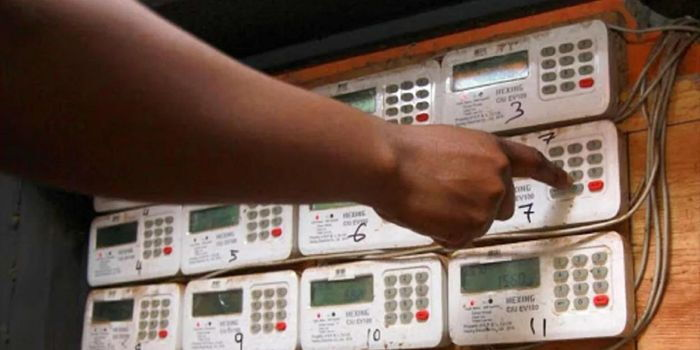
“Pursuant to clause 1 of Part III of the Schedule of Tariffs 2023, notice is given that all prices for electrical energy specified in Part II of the said Schedule will be liable to a fuel energy cost charge of plus 381 Kenya cents per kWh for all meter readings to be taken in November 2025,” EPRA stated.
In addition, consumers will pay an extra 95.89 cents per unit due to foreign exchange fluctuation adjustments, which reflect the weakening of the Kenyan shilling against major global currencies.
“Pursuant to Clause 2 of Part III of the Schedule of Tariffs 2023, notice is given that all prices for electrical energy specified in Part II of the said Schedule will be liable to a foreign exchange fluctuation adjustment of plus 95.89 cents per kWh for all meter readings taken in November 2025,” the notice read.
A further 1.29 cents per kWh has been added to cover the Water Resource Management Authority (WRMA) levy.
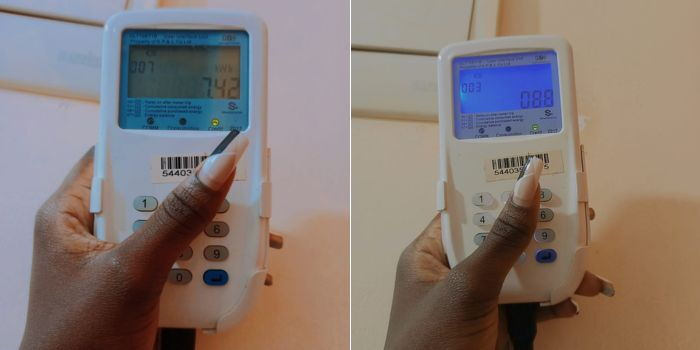
“Pursuant to Clause 5 of Part III of the Schedule of Tariffs 2023, notice is given that all prices for electrical energy specified in Part II (A) of the said Schedule will be liable to a WRMA levy of plus 1.29 cents per kWh for all meter readings taken in November 2025,” EPRA added.
Impact on Households
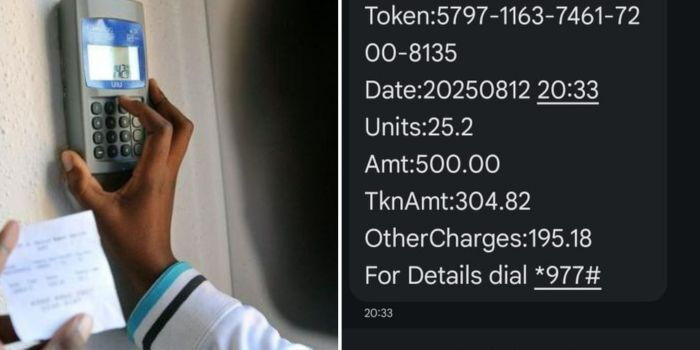
For households consuming an average of 50 units per month, the revised charges translate to an additional Ksh237.50 on their monthly electricity bill. This figure excludes other standard levies and taxes that remain in place.
These include a 16% Value Added Tax (VAT), a 3-cent EPRA levy per unit, and a 5% Rural Electrification Programme (REP) levy based on the cost of units consumed. An inflation adjustment charge, reviewed biannually, also applies and is expected to be revised again in January 2026.
Public Reaction and Economic Context
The increase comes amid rising inflation and economic pressure on Kenyan households. Analysts warn that the higher electricity costs could further strain small businesses and low-income earners, especially those in urban and peri-urban areas who rely heavily on grid power.
While EPRA has not issued a public statement beyond the gazette notices, energy sector observers say the adjustments reflect global fuel price volatility and currency depreciation, both of which have impacted power generation costs.
Conclusion
As Kenyans brace for higher electricity bills in November, calls for greater transparency and long-term reforms in the energy sector are likely to intensify. With the cost of living already elevated, the latest EPRA review underscores the need for sustainable energy pricing and stronger consumer protections.
ALSO READ: Key Govt Websites Hacked in Coordinated Cyberattack
Electricity Prices to Rise by Ksh4.78 in November After EPRA Review
