



EACC Proposes Legal Reforms to Stop Election Irregularities Ahead of 2027 Polls
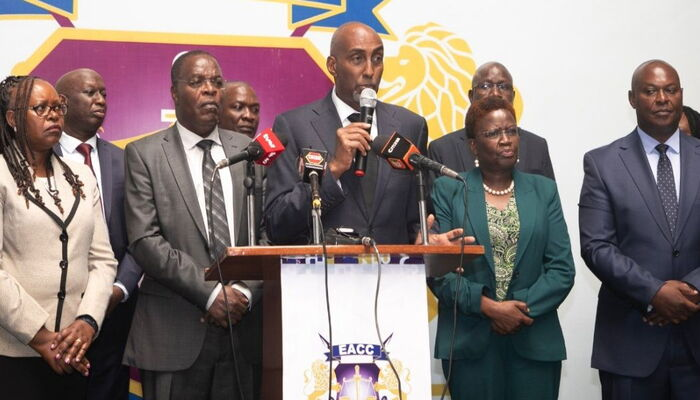
Officials from the Ethics and Anti-Corruption Commission (EACC) presented the proposals during a session with the National Assembly Constitutional Implementation Oversight Committee on March 5, where they outlined concerns over existing legal loopholes that could allow individuals convicted of corruption-related offences to contest elections.
Appearing before the committee, EACC Chief Executive Officer Abdi Mohamud explained that certain provisions within the Constitution currently weaken the enforcement of Chapter Six on leadership and integrity.
According to the Commission, this legal provision has created a loophole that has been repeatedly exploited by politicians seeking to contest public office despite adverse court rulings.
“The current constitutional provisions allow individuals who have been convicted of corruption or abuse of office to remain eligible for elections as long as they file appeals,” Mohamud told the committee.
“This situation poses a significant challenge to enforcing ethical, moral, and integrity standards required of leaders under Chapter Six of the Constitution,” he added.
EACC officials argued that the proposed reform would ensure accountability while strengthening the credibility of Kenya’s electoral process.
Under the proposal, the burden of clearing one’s name would shift to the convicted individual, rather than allowing them to continue pursuing elective positions while appeals drag through the judicial system.
Mohamud warned that some politicians have historically used prolonged appeals to delay final court outcomes, effectively sidestepping the Constitution’s integrity requirements while still participating in competitive elections.
“What we are proposing is that once a court has made a determination, that decision should stand unless it is overturned through the proper appellate process,” Mohamud said.
“Otherwise, individuals continue seeking elective office while cases remain unresolved for years,” he added.
Specifically, EACC urged Parliament to amend Section 13(2) of the law to clearly define its role in verifying the integrity of individuals seeking elective positions across the country.
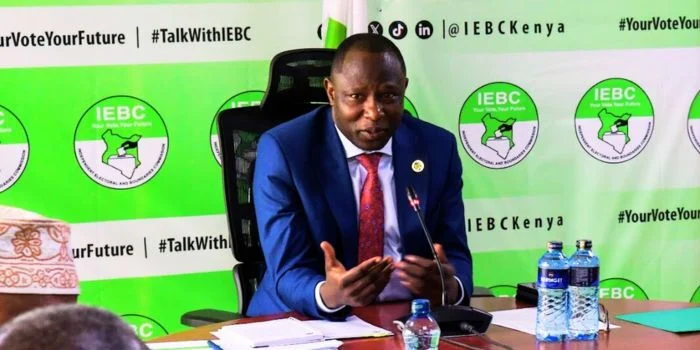
According to the Commission, the current legal framework does not clearly outline how the Independent Electoral and Boundaries Commission (IEBC) should collaborate with EACC during the vetting of self-declaration forms submitted by aspiring candidates.
These forms are typically used by candidates to disclose their compliance with ethical and legal standards before being cleared to run for office.
EACC officials proposed the introduction of clear statutory timelines for integrity verification, alongside a formal information-sharing framework among institutions holding candidate records, such as investigative agencies, courts, and regulatory bodies.
The Commission believes such coordination would enable electoral officials to receive accurate integrity reports before party nominations and ballot clearance processes begin.

Mohamud also noted that the issue of tightening integrity laws has been discussed in previous national reform initiatives, including the Building Bridges Initiative and the National Dialogue Committee, though none of the proposals resulted in binding constitutional amendments.
With the 2027 General Election drawing closer, EACC officials urged lawmakers and electoral bodies to act early to implement reforms that would strengthen public confidence in the country’s democratic institutions.
“Strengthening these provisions now will help restore public trust in the electoral process and ensure that leadership integrity standards are fully enforced before the next election cycle,” Mohamud told the committee.
The Commission’s proposals are expected to spark debate in Parliament as Kenya continues to grapple with the challenge of enforcing ethical standards among public leaders
ALSO READ; National Assembly Passes National Infrastructure Fund Bill, 2026
EACC Proposes Legal Reforms to Stop Election Irregularities Ahead of 2027 Polls
