


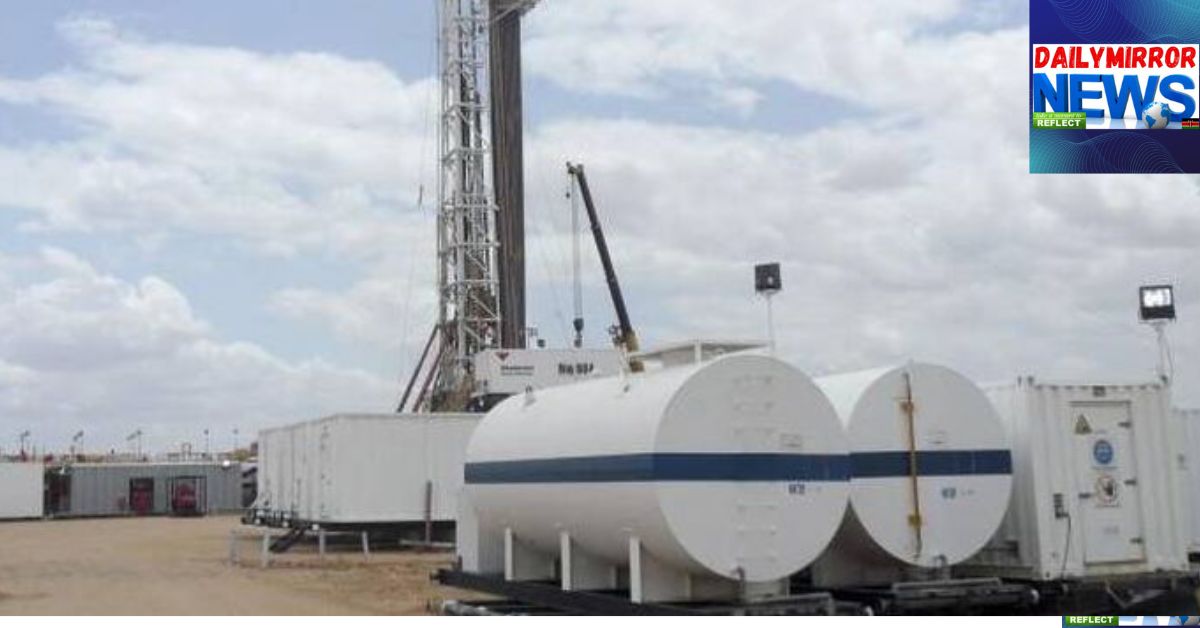
CS Wandayi Relaunches South Lokichar Oil Project, First Oil Shipment Expected This Year
Kenya has taken a significant step toward joining the ranks of oil-exporting nations after the government officially relaunched the South Lokichar Oil Project in Turkana County, reviving hopes of commercial crude production more than a decade after the resource was first discovered.
Speaking during the event, Wandayi expressed confidence that the project would move swiftly, setting an ambitious timeline for Kenya’s first crude oil export.
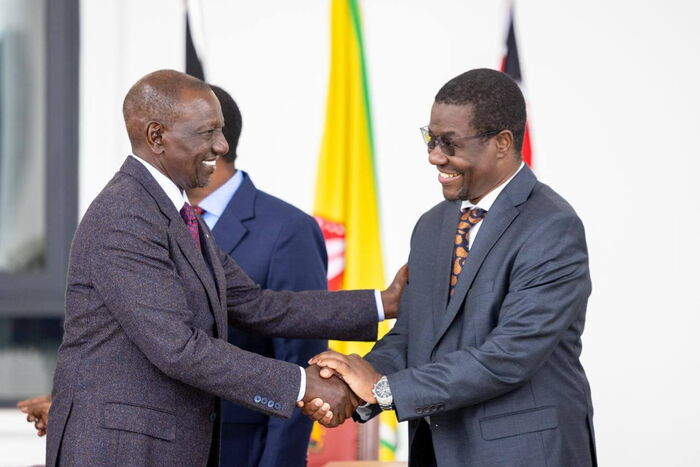
“I want to give an assurance that before the end of this year, this oil will have been shipped to Mombasa so that Turkana and the entire country can see its benefits,” he stated.
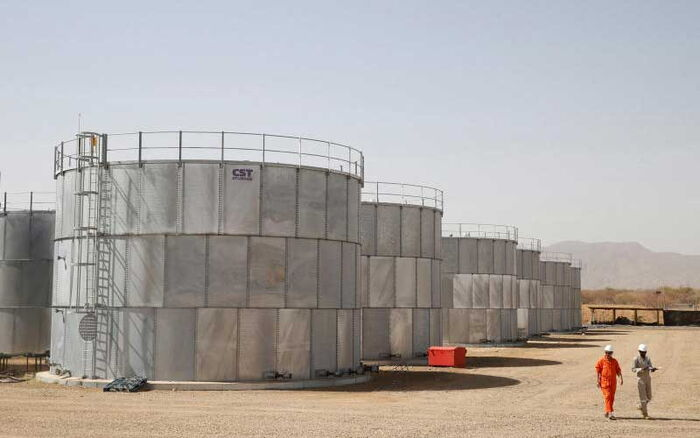
The South Lokichar basin, located in northern Kenya, is estimated to hold over 560 million barrels of recoverable oil reserves. Discovered in 2012 by British firm Tullow Oil, the project has faced multiple setbacks over the years, including financing challenges, infrastructure gaps, and investor uncertainty.
“We shall work closely with the leadership of Turkana county government to solve problems that may arise,” he added.
Despite the optimism, local leaders and residents raised concerns over transparency and inclusivity, calling on the government to make public key details of the field development plan and production-sharing agreements. They argued that clarity on revenue-sharing and environmental safeguards would be critical to securing community support.
The relaunch comes shortly after President William Ruto reiterated the need for energy self-sufficiency during a continental summit held in Nairobi, attended by regional leaders including Uganda’s President Yoweri Museveni and prominent business figures. The renewed focus on oil production aligns with broader efforts to reduce reliance on imported fuel and strengthen Kenya’s energy security.
To support the project, the government has initiated a series of infrastructure developments aimed at facilitating the transport of crude oil from Turkana to the coast. These include upgrades to key road networks in the northern corridor and plans to revive a railway line linking Nakuru to the oil fields in Lokichar.
The proposed railway project, estimated at Ksh220 billion, is expected to significantly enhance logistics and lower transportation costs, making Kenya’s crude oil more competitive in international markets.
Analysts note that if successfully implemented, the project could have far-reaching economic implications, including increased foreign exchange earnings, job creation, and improved infrastructure in historically marginalised regions.
At the same time, the government faces the challenge of managing expectations, particularly around the potential impact on domestic fuel prices. While oil exports could boost national revenue, experts caution that global market dynamics will continue to play a major role in determining local fuel costs.
Nevertheless, for many Kenyans, the revival of the Lokichar oil project represents a long-awaited breakthrough. With the first shipment now projected within the year, attention will shift to execution, accountability, and whether the promise of oil wealth will translate into meaningful development for both Turkana residents and the country at large.
ALSO READ: Kenyans Face Sugar Price Drop as Govt Reduces Cane Prices by Ksh250
CS Wandayi Relaunches South Lokichar Oil Project, First Oil Shipment Expected This Year
